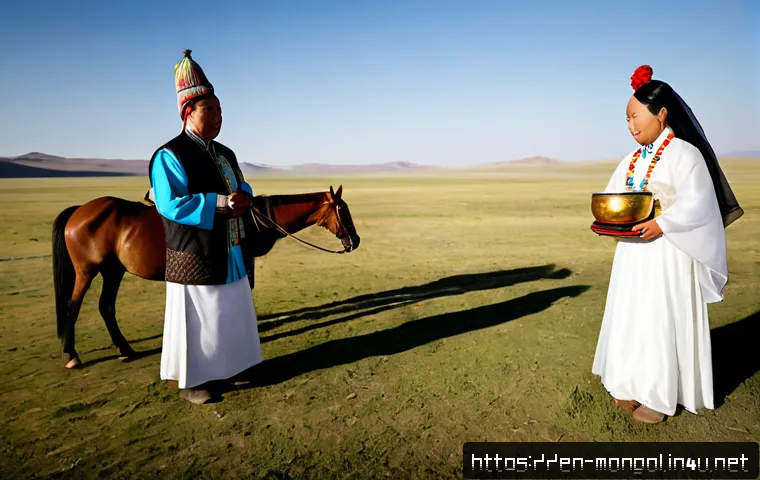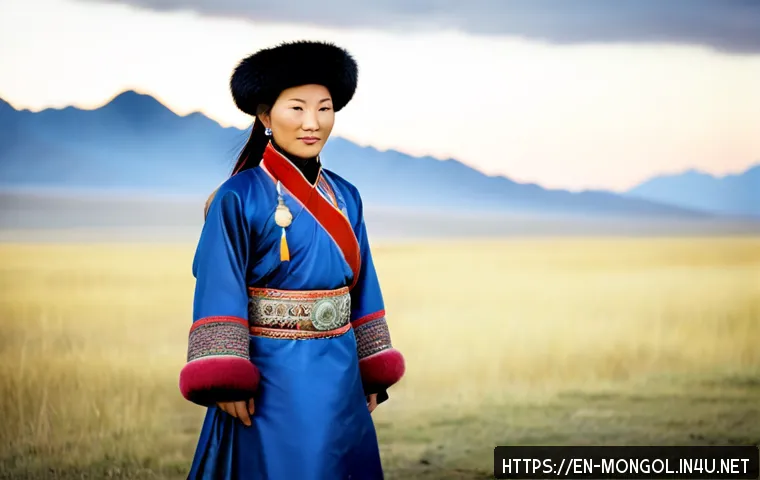
Mongolian traditional dress does not follow one universal symbolic code: its meaning comes from the garment type, occasion, material, color, accessories, and regional context.
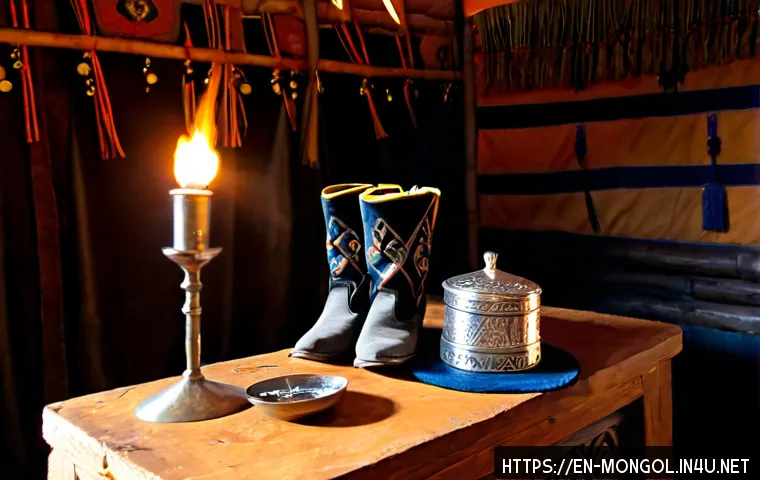
The deel is the best-known form, but hats, boots, belts, jewelry, and trim are equally important parts of the visual language. For travelers or buyers, a simple souvenir may be appropriate for a light cultural memento, while a wearable deel or handmade commission calls for closer attention to fit, maker information, and intended use.
Ceremonial pieces can be culturally significant and should not automatically be treated as casual costume items. The most respectful approach is to ask what an item is made for, who made it, and how it is meant to be worn or displayed.
This guide helps you compare traditional-inspired clothing, heritage crafts, and cultural experiences without assigning fixed meanings where context is missing.
At a Glance
- The deel is a long wrap-style robe associated with Mongolian traditional dress, adapted through regional and seasonal variation.
- Meaning comes from the whole outfit and its context, not from one color, motif, or accessory alone.
- Before buying or wearing an item, check its purpose, maker information, materials, fit, and cultural context.
| Option | Best For | Typical Focus | What to Check |
|---|---|---|---|
| Souvenir garment | Small gifts, display, casual mementos | Decorative appearance | Whether it is sold as a souvenir rather than historical or regional dress |
| Wearable deel | Travel, cultural events, personal use | Fit, comfort, practical construction | Fabric, closure, sash, seasonal suitability, seller description |
| Handmade commission | Long-term wear, collecting, special occasions | Tailoring, handwork, maker relationship | Measurements, materials, regional references, production details |
| Museum or cultural-tour experience | Learning and respectful interpretation | Context and guided explanation | Whether the experience explains community, period, and garment use |
What Traditional Mongolian Clothing Communicates at a Glance
The deel as clothing for movement, weather, and identity
The deel is a long, wrap-style robe widely connected with Mongolian traditional clothing. Its construction is practical as well as visual. Mongolia’s demanding climate shaped clothing made with layered construction and materials including wool, felt, leather, silk, and fur. A deel should therefore be read as clothing designed for movement and weather, not merely as a formal costume.
A sash or belt commonly secures the garment. It may also have practical use, including carrying small everyday items. The exact cut, fabric choice, trim, and styling can vary by season and region, so two garments described as deels may not look identical.
Why symbolism depends on place, occasion, and wearer
Colors, motifs, and decorative borders can hold cultural associations, but association is not the same as a fixed translation. Meaning may vary by region, family tradition, historical period, garment use, and the wearer. A detail that appears ceremonial in one context may not carry the same meaning in another.
Traditional Mongolian dress also reflects multiple communities and regional traditions. No single outfit represents every Mongolian person or group. When viewing a historic garment, avoid assigning social status or a precise historical meaning without its date, provenance, community context, and expert assessment.
Three quick takeaways for readers, travelers, and buyers
- Look at the entire ensemble: robe, sash, hat, boots, jewelry, and trim work together.
- Distinguish daily wear, festive dress, and ceremonial clothing before interpreting or purchasing an item.
- Ask for documentation when an item is described as handmade, antique, regionally accurate, or ethically sourced.
Reading the Visual Language of a Mongolian Outfit
Color, fabric, and trim: cultural associations without oversimplifying
Fabric and decoration help signal how formal a garment may be. Ceremonial clothing is often more elaborate than daily wear, using finer fabrics, contrasting borders, embroidery, or ornaments. That difference can help a visitor recognize that an outfit is intended for a special occasion, but it does not provide a complete interpretation by itself.
It is safer to describe a color or motif as having a possible cultural association than to claim one universal meaning. This matters especially when shopping for heritage crafts or museum-quality reproductions. A careful seller or maker should be able to explain what they know about the garment’s inspiration, materials, and intended use.
Hats, boots, belts, and jewelry as part of the whole ensemble
Hats, boots, jewelry, and decorative trim may communicate occasion, regional style, age, gender expression, or social standing. They should not be treated as optional visual extras. A hat shape or jewelry detail may be culturally significant, particularly when paired with ceremonial clothing.
For a travel wardrobe or event outfit, a simpler combination may be more suitable than assembling accessories with unknown significance. If an item is presented as historic or ceremonial, ask whether it is appropriate for visitor wear rather than assuming it is a general-purpose accessory.
Everyday clothing compared with ceremonial and festive dress
Everyday garments prioritize practical wear, while festival and ceremonial clothing may feature more refined materials and ornamentation. Wedding clothing may be especially formal. Performance costumes can be designed for stage visibility and may not aim to reproduce a specific regional or historical garment with full accuracy.
That does not make a performance costume valueless. It simply changes the buying standard: choose it for stage use or themed events, not as automatic evidence of historical authenticity.
Value and Authenticity: Comparing Garments, Reproductions, and Cultural Experiences
Souvenir pieces, performance costumes, wearable deels, and handmade commissions
A low-cost costume-style item can be a reasonable choice for a decorative gift, a school presentation, or a short photoshoot when it is honestly described. A wearable deel is a stronger choice when comfort, fit, and repeat use matter. A handmade commission may suit buyers who want tailoring, specific material preferences, or a closer connection with a maker.
For visitors who primarily want understanding rather than clothing, a museum visit or guided cultural-tour experience may offer better value. It can provide the context that a product listing cannot: how garments relate to place, occasion, and community.
What affects price: material, handwork, tailoring, provenance, and shipping
Price can be influenced by material, handwork, tailoring, provenance, and shipping. Fine fabrics, detailed trim, embroidery, ornaments, and custom fitting may require more work than a standard souvenir item. However, price alone does not prove authenticity, age, ethical sourcing, or regional accuracy.
For a garment described as antique or historically important, request provenance and any export or antique documentation. Some historic garments and accessories are culturally significant objects rather than casual costume pieces.
Questions to ask a seller, maker, tour operator, or museum shop
- What is the item intended for: daily wear, festival use, performance, display, or ceremony?
- Which materials and construction methods were used?
- Is it handmade, and can the maker or workshop be identified?
- Is the design connected to a specific regional tradition, or is it traditional-inspired?
- Is there documentation for an antique, vintage, or museum-style reproduction claim?
Respectful Use and Common Mistakes to Avoid
Avoiding “one symbol, one meaning” interpretations
The most common mistake is treating every pattern, knot, color, or hat shape as if it has one permanent meaning. Cultural interpretation requires context. If the seller, maker, museum label, or local guide does not provide reliable context, describe the detail carefully rather than inventing certainty.
Wearing traditional-inspired clothing at festivals, photoshoots, and cultural events
Visitors may find opportunities to wear Mongolian traditional clothing, but appropriateness depends on the local setting. Choose clothing offered for visitor participation or clearly sold for personal wear. Avoid assuming that ceremonial items are suitable for a casual photoshoot, themed party, or costume event.
When in doubt, ask an organizer, host, maker, or guide which garments and accessories are appropriate. Respectful participation begins with listening rather than treating traditional dress as a prop.
Care, storage, and documentation for vintage or handcrafted pieces
Keep maker notes, receipts, material descriptions, and provenance records with a handcrafted or vintage piece. These details help preserve its story and make future interpretation more accurate. Store and handle items according to the care guidance provided by the seller or maker, especially when materials include wool, felt, leather, silk, fur, or ornamental details.
Choosing the Right Option for Your Situation
For travelers seeking a meaningful cultural activity
Prioritize a guided cultural experience, museum visit, or maker-led activity when your main goal is learning. A garment can be a meaningful souvenir, but context from a knowledgeable local source helps prevent shallow or inaccurate interpretation.
For students and researchers needing reliable visual references
Use museum displays, documented collections, and clearly identified garment descriptions. Record the period, community context, stated use, and provenance when available. Avoid using an unverified marketplace listing as proof of a historical meaning or regional tradition.
For buyers looking for a gift, event garment, or long-term collectible
Match the choice to the purpose. A souvenir piece can work for a gift. A wearable deel should be selected for fit and fabric. A long-term collectible requires the strongest documentation, especially when a seller uses terms such as antique, historic, handmade, or museum-quality reproduction.
Selection Criteria and Comparison Summary
Before deciding, check intended use, material and construction, fit, maker or seller information, cultural context, and documentation for vintage or historic claims. Choose a souvenir for simple display, a wearable deel for practical use, a handmade commission for tailored craftsmanship, or a museum and cultural-tour experience for deeper context. For formal events or visitor participation, confirm what is appropriate in that specific setting. Check the relevant product, museum, or tour page for full materials, conditions, and documentation details.
Closing Thoughts
Mongolian traditional dress is best understood as a living combination of practicality, identity, regional tradition, and occasion. The deel offers a useful starting point, but it is only one part of a complete outfit. Thoughtful questions about use, origin, and context are more valuable than quick symbolic claims. Whether you are traveling, studying, or buying, respect begins with recognizing what you do not yet know.
Useful Things to Know
1. Layered construction and materials such as wool, felt, leather, silk, and fur reflect climate adaptation.
2. A sash can secure a deel and may also help carry small everyday items.
3. Ceremonial clothing is often more elaborate than daily wear.
4. Hats, boots, jewelry, and trim can be meaningful parts of the ensemble.
Important Notes
A color, motif, hat shape, or trim design does not have one guaranteed meaning across all Mongolian communities, periods, or families. A listing alone cannot confirm that an item is handmade, antique, regionally accurate, or ethically sourced. Historic status and appropriate visitor use should be confirmed through reliable documentation, a knowledgeable maker, a museum, or a local cultural authority.
Frequently Asked Questions
Q1. What does the Mongolian deel symbolize?
A1. The deel can communicate practical adaptation to climate, personal and regional style, and the formality of an occasion. Its meaning is not universal; fabric, color, trim, accessories, wearer, and setting all affect interpretation.
Q2. How can I tell whether a Mongolian traditional garment is a souvenir reproduction or a handmade piece?
A2. Ask about the materials, construction, maker or workshop, intended use, tailoring, and any documentation. A handmade or historically informed claim should be supported by clear information, not assumed from price or decoration alone.
Q3. Is it respectful for tourists to wear Mongolian traditional clothing, and what should they avoid?
A3. It may be appropriate when clothing is offered for visitors or clearly intended for personal wear. Avoid treating ceremonial or historically significant items as casual costumes, and ask local hosts, organizers, makers, or guides when you are unsure.