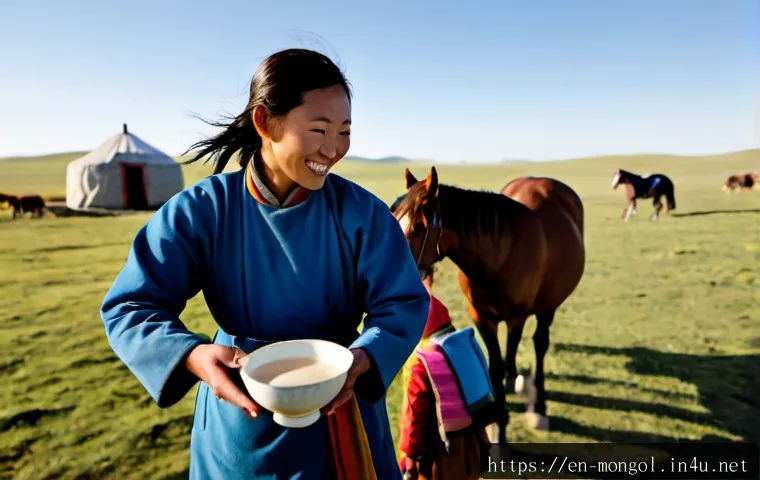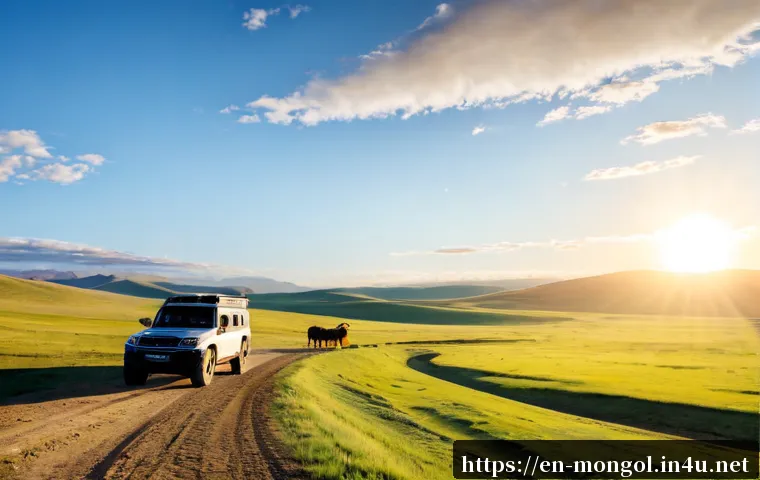
A guided expedition is usually the simplest choice for first-time visitors to eastern Mongolia, while a private driver-guide can offer a useful middle ground between independence and support.
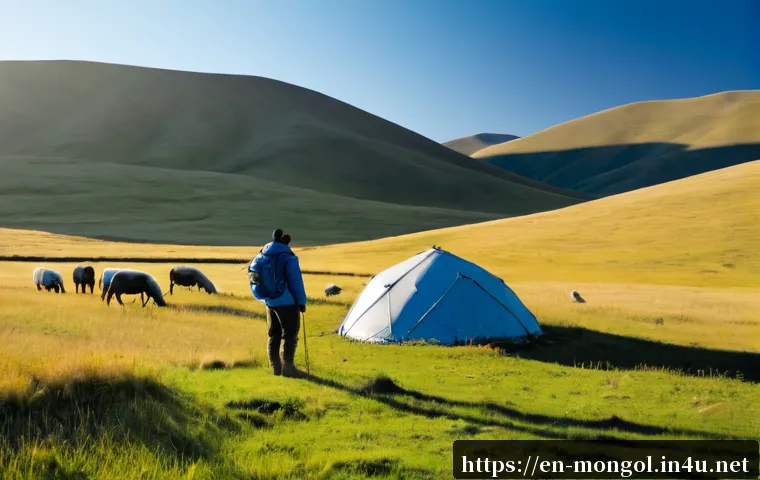
Self-drive can suit experienced overlanders, but only when route planning, vehicle readiness, offline navigation, water, fuel, and emergency communication are handled seriously.
The eastern steppe rewards slow travel with huge open landscapes, yet services can be far apart and map distances can be misleading. Before comparing guided tour pricing or 4×4 rental options, decide how much route flexibility you need and how much operational risk you are prepared to manage.
A lower advertised price may not remain the lower-cost choice once camping equipment, fuel planning, recovery arrangements, and contingencies are included.
The best itinerary is the one that matches your experience, season, and access to reliable local support.
At a Glance
- First-time visitors: A guided expedition or private driver-guide usually reduces planning pressure in remote steppe areas.
- Budget-conscious planners: Compare the full trip cost, not just the tour quote or daily 4×4 rental rate.
- Experienced overlanders: Self-drive can provide flexibility, but only with strong navigation, communications, fuel, water, and recovery planning.
| Travel Format | Best For | Main Advantages | Key Considerations |
|---|---|---|---|
| Self-drive 4×4 rental | Experienced independent travelers | Maximum route control and private pacing | Navigation, road judgment, fuel, vehicle recovery, camping setup, and local arrangements remain your responsibility. |
| Private driver-guide | Small groups wanting flexibility with local support | Local driving knowledge, easier communication, customizable stops | Confirm language support, vehicle condition, inclusions, overnight arrangements, and emergency procedures. |
| Organized small-group expedition | First-time visitors and travelers who prefer structured logistics | Shared planning, defined itinerary, coordinated transport and camp logistics | Less spontaneous route flexibility; check group size, accommodation style, and what is excluded. |
Is Eastern Mongolia Right for Your Travel Style?
The Short Answer: Remote Landscapes, Slower Travel, and Limited Services
Eastern Mongolia can be an excellent fit if you value open steppe landscapes, unhurried travel, and a trip that feels more like an overland journey than a city-to-city holiday. The trade-off is simple: distances between services can be long, and the route may change with road conditions, weather, fuel availability, or local support.
This is not a destination where a tightly packed schedule automatically creates better value. A shorter route with room for delays can be more enjoyable than an ambitious plan built around optimistic driving times. Road accessibility should be checked close to departure rather than assumed from a map.
Who Should Choose a Guided Trip, a Driver-Guide, or Self-Drive?
A guided Mongolia expedition is often the practical starting point for travelers who have not previously managed remote camping, rough-road driving, or logistics across areas with limited services. It can reduce the number of decisions you need to make while traveling, especially when weather or route conditions change.
A private driver-guide service suits couples, families, and small groups that want more control over daily stops without taking full responsibility for driving and local coordination. It may also be worth considering when you want support with language, homestay arrangements, or a route that does not fit a standard group itinerary.
A self-drive 4×4 rental works best for travelers with realistic overland experience. You should be comfortable making conservative decisions, changing plans when conditions demand it, and carrying the equipment needed for navigation, water storage, basic vehicle issues, and communication.
Three Planning Priorities Before Booking Transport
First, define your acceptable level of remoteness. Ask whether you are comfortable camping or whether you need planned homestays or other overnight arrangements. Availability can vary by place, season, and local arrangements.
Second, decide whether your route depends on a fixed return date. If it does, build in flexibility instead of treating every day as guaranteed driving progress. Weather and road conditions can affect timing far more than a simple distance estimate suggests.
Third, identify your support threshold. That means deciding when a driver, guide, support vehicle, satellite communication option, or established operator becomes worth the added cost.
Compare Travel Formats: Self-Drive, Private Driver, or Guided Expedition
Cost Categories to Compare Beyond the Advertised Tour Price
Whether you are looking at guided expedition pricing or a 4×4 rental quote, compare the complete trip structure. Exact prices in Mongolian tögrög (MNT) and USD vary by route, season, operator, exchange rate, and vehicle arrangement, so a fixed budget figure would not be reliable.
Instead, build your own comparison list in both MNT and USD using current supplier information. Include transport, vehicle hire or driver service, fuel, food, camping gear, accommodation or homestays, guide support, travel insurance, communications planning, and an emergency contingency.
Also ask what “included” actually means. A tour price may cover transport and guide services but handle meals, camping equipment, entry arrangements, or personal insurance differently. A rental price may not reflect fuel use, equipment, damage terms, recovery support, or the practical cost of changing a route.
Flexibility, Language Support, and Route Reliability
Self-drive offers the greatest freedom to pause for photography, alter the pace, or spend longer in a particular landscape. That freedom is valuable only if you can safely assess road conditions and have an alternative plan when a route becomes unsuitable.
A private driver-guide can provide a strong balance between flexibility and reliability. Local knowledge may help with route choices, fuel planning, local etiquette, and practical overnight arrangements. Before committing, ask how route changes are handled and whether the driver also provides translation or whether separate language support is needed.
Small-group tours generally trade some independence for coordinated logistics. They may be appealing if you prefer a shared support structure and do not want to organize every supply, camp, and transport detail yourself. Review the pace carefully: a group itinerary can be well organized while still being too rushed for your travel style.
When a 4×4 Rental Is Not the Lowest-Cost Option
A rental vehicle can appear economical at first, particularly when its daily rate is divided between several travelers. But the calculation changes if your group needs camping equipment, additional navigation tools, water storage, recovery planning, local assistance, or changes caused by weather and road conditions.
It can also become less attractive when travelers lack confidence with rough-road driving or cannot comfortably handle an unexpected delay. In that case, paying for a driver-guide may not simply be a convenience upgrade; it may be a way to reduce avoidable logistical pressure.
When comparing 4×4 rental options, focus on vehicle condition, included equipment, insurance terms, maintenance support, communication arrangements, and what happens if the route needs to change. A low headline rate is only one part of the decision.
Build a Realistic Budget and Route Plan
Transport, Fuel, Food, Accommodation, Camping, and Contingency Costs
Create a budget framework rather than relying on one all-in number. Divide your estimate into transport to the starting point, overland transport, fuel, food, accommodation, camping needs, guide or driver services, communications, insurance, and a contingency reserve.
Use MNT for local comparisons and keep a USD equivalent for your overall trip planning if that is your home budgeting currency. Check current exchange conditions and ask providers which costs are included in their quote. Do not assume that fuel availability, camp setup, or homestay access will work the same way on every route.
A contingency category matters because remote travel is not always linear. A route adjustment, an extra overnight stop, or an operational change may affect spending. The goal is not to predict every outcome; it is to avoid building a plan that has no room for normal uncertainty.
Why Travel Time and Road Conditions Affect Itinerary Value
The steppe can look open and direct on a map, but map distance alone does not tell you how a day will unfold. Conditions may depend on weather, road surface, route choice, and the need to slow down for safety. This is why a well-priced itinerary should be assessed by its realistic pace, not only by the number of locations listed.
For example, a plan that allows time for fuel checks, navigation decisions, camp setup, and changing conditions may offer better value than one that promises constant movement. If photography is important, a slower schedule also gives you more useful light and fewer rushed stops.
Questions to Ask a Tour Operator or Vehicle-Rental Provider
Ask clear questions before making a deposit or committing to a route. Useful topics include:
- What vehicle type is used, and what equipment is included?
- How are fuel planning and water storage handled?
- What navigation and communication methods are planned for remote sections?
- What happens if weather or road conditions require a route change?
- Are camping, homestay, food, and guide arrangements included or separate?
- What vehicle insurance terms, damage conditions, and support procedures apply?
- Who confirms border-area access, protected-area rules, or local registration requirements when relevant?
Prepare for Remote Steppe Travel Without Common Mistakes
Navigation, Communications, Water, Fuel, and Vehicle Recovery Planning
For independent travel, offline navigation should be treated as essential rather than optional. Network coverage may not be dependable across a remote route, so your plan should not rely entirely on a live map connection.

Think through how you will communicate if your vehicle cannot continue or your route changes unexpectedly. The right communications setup depends on the route and support level, but the important point is to make a plan before leaving populated areas. If you are using a rental 4×4, clarify whether the provider offers recovery guidance or practical support.
Water storage and fuel planning deserve the same attention. Do not assume that every stop on a map will offer the supplies you need when you arrive. Carrying adequate reserves, checking local conditions, and avoiding unnecessary detours can make the journey more manageable.
Weather-Ready Clothing and Camp Equipment
Steppe weather can affect comfort and safety, so choose clothing that can be layered and adjusted as conditions change. Your camp setup should be suitable for the season and for the possibility that plans shift. A lightweight setup may be appealing, but it should still meet your needs if conditions become less comfortable than expected.
If you are joining a guided tour, ask exactly what camping gear is supplied and what personal items you need to bring. If you are self-driving, confirm that your equipment works with your vehicle space, water storage, food plan, and expected overnight style.
Respectful Camping, Waste Handling, and Local Etiquette
Remote landscapes remain special when visitors leave them in good condition. Pack out waste where appropriate, keep campsites orderly, and avoid assuming that an open area has no local use or significance. If a homestay or local arrangement is part of the plan, a guide or driver can help explain practical expectations.
Respect is also logistical. Ask before entering private areas, follow protected-area guidance where applicable, and do not build a route around access that has not been confirmed. Border-area access and local requirements may need verification before departure.
Choose an Itinerary by Season and Travel Priorities
Photography-Focused Trips Versus Cultural and Wildlife-Oriented Travel
A photography-led steppe journey needs time for changing light, weather, and unplanned pauses. Build a route with fewer fixed stops and avoid treating every landscape opportunity as guaranteed. Wildlife sightings cannot be promised, and weather conditions may shape what is possible on any given day.
Cultural travel often benefits from a more flexible approach as well. Homestay availability and local arrangements can vary, so it is better to view them as planned opportunities that still require confirmation rather than fixed products on a schedule.
Short Regional Trips Versus Longer Overland Routes
A shorter regional trip can be a sensible first choice if you want an introduction to eastern Mongolia without committing to a complex multi-day overland plan. It may allow more time to adjust to local conditions and reduce the pressure to cover long distances.
Longer routes can be rewarding for travelers who have the time, preparation, and support structure to absorb changing conditions. They should include a realistic buffer rather than relying on perfect driving days. A longer itinerary is not automatically better if it removes all flexibility.
When to Add a Local Guide, Translator, or Support Vehicle
Add a local guide or driver when the route includes unfamiliar terrain, variable overnight arrangements, language challenges, or a schedule that cannot easily absorb delays. A translator may be useful when direct communication is central to your travel plans, but confirm exactly what role the person will have.
A support vehicle may be worth considering for groups carrying substantial camp equipment, operating on especially remote routes, or wanting an added layer of logistical resilience. It is not necessary for every trip, but it can change the risk profile of a demanding plan.
Selection Criteria and Comparison Summary
Best Fit for First-Time Mongolia Visitors
For a first visit, choose a guided small-group tour if you want the most structured arrangement, or a private driver-guide if you want more control over pacing and stops. In both cases, look for an itinerary that acknowledges road and weather uncertainty instead of presenting every day as fixed.
Best Fit for Experienced Overlanders
Experienced overlanders may prefer self-drive, especially if they enjoy vehicle-based travel and are prepared to manage navigation, fuel, water, camp systems, and route changes. Even then, local support can be valuable. Independence does not have to mean refusing useful expertise.
Booking Checklist: Insurance, Vehicle Terms, Emergency Plans, and Inclusions
Before confirming any eastern Mongolia itinerary, check the following:
- Travel insurance: Review whether your policy is appropriate for the activities and remoteness of your trip.
- Vehicle terms: Understand rental conditions, insurance coverage, damage responsibility, and support procedures.
- Emergency planning: Know the communication plan, route-change process, and who is contacted if help is needed.
- Inclusions: Confirm transport, fuel, guide service, food, camping gear, accommodation, and permits or registrations separately.
- Access rules: Verify protected-area, border-area, and local requirements before departure.
For a final comparison, review the operator or rental provider’s official trip details and conditions page before choosing your route support level.
Closing Thoughts
Eastern Mongolia is best approached with patience, realistic timing, and respect for its remoteness. The right travel format is not necessarily the cheapest or the most independent one; it is the one that matches your route, skills, and comfort with changing conditions. A careful comparison of guided tours, driver-guide services, and 4×4 rental options can prevent expensive assumptions later. Leave room in both your itinerary and budget for the practical realities of steppe travel.
Useful Things to Know
1. Keep offline maps available before leaving reliable connectivity.
2. Treat fuel and water as route-planning priorities, not last-minute errands.
3. Confirm camping and homestay arrangements rather than assuming availability.
4. Check current access requirements for border areas and protected locations.
5. A slower itinerary can offer more value than an overpacked route.
Important Notes
Exact tour prices, 4×4 rental rates, fuel costs, permits, driving times, and accommodation availability vary by season, route, operator, exchange rate, and local conditions. Road access can change with weather, and wildlife sightings cannot be guaranteed. Confirm current vehicle terms, travel insurance suitability, local registration requirements, protected-area rules, and border-area access before departure.
Frequently Asked Questions
Q1. Is a guided tour worth the cost for eastern Mongolia’s steppe areas?
A1. It can be worth the added cost if you are new to remote travel, prefer organized camping and transport logistics, or want local route support when weather and road conditions change. Compare what is included, how flexible the itinerary is, and what emergency or communications planning is provided.
Q2. Can travelers safely explore eastern Mongolia with a rented 4×4?
A2. A rented 4×4 can suit experienced travelers, but safety depends on preparation rather than the vehicle alone. Use offline navigation, plan communications, carry water, manage fuel carefully, understand vehicle terms, and avoid assuming that map distance equals easy driving time.
Q3. What should I compare when choosing a Mongolia overland tour or private driver?
A3. Compare the full cost structure, vehicle condition, driver or guide role, language support, camping and accommodation arrangements, fuel planning, insurance terms, emergency procedures, route flexibility, and responsibility for permits or local access requirements. The clearest option is usually the provider that explains these details directly rather than relying on a vague itinerary description.