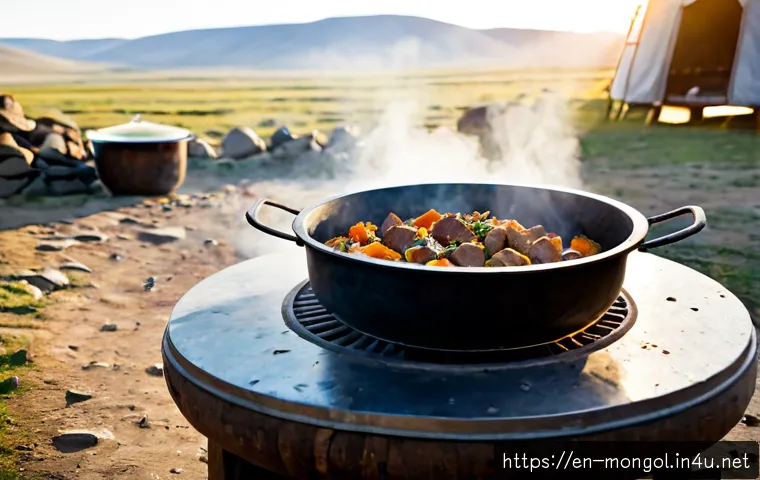
Khorkhog is a traditional Mongolian communal meat dish cooked with heated stones inside a sealed metal container. It is a strong choice for travelers who want a shared, outdoor-style meal, but advance notice can matter because preparation is not usually as quick as a standard restaurant order.
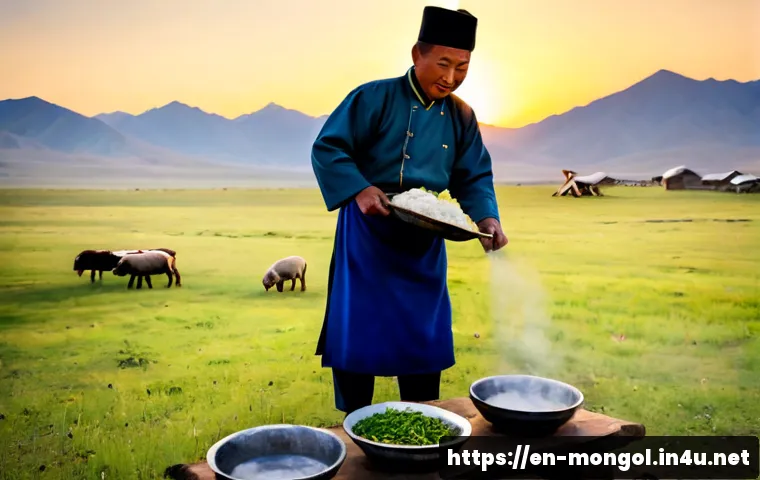
Modern versions often use goat or lamb, with salt and sometimes vegetables such as potatoes, onions, or carrots. The final ingredients, texture, and cooking time can differ widely between households, ger camps, and restaurants.
A guided Mongolian food tour can add cultural context and help with arrangements, while a restaurant may be more practical for travelers who need menu flexibility.
Before booking, confirm the meat, group-size expectations, preparation method, and dietary accommodations directly.
At a Glance
- Khorkhog is meat cooked with hot stones in a sealed metal container, often served as a shared meal.
- Goat or lamb is common in modern preparations, while vegetables may or may not be included.
- Ask ahead about preparation time, meat choice, group requirements, and safe food handling before reserving.
| Option | Best For | Group Size | Advance Notice | What to Confirm |
|---|---|---|---|---|
| Restaurant Order | Convenience and menu flexibility | May suit small groups, but ask | Often worth requesting in advance | Meat type, serving size, cooking method, vegetables, timing |
| Ger Camp Meal | A relaxed, communal setting | Often better for a shared table | Confirm before arrival | Whether khorkhog is available, meal timing, hygiene practices |
| Guided Food Tour | Cultural context and simpler logistics | Depends on the itinerary | Check the itinerary before booking | Whether khorkhog is included, transport, dietary requests, group format |
What to Expect From Mongolia’s Hot-Stone Meat Dish
The Short Answer: Flavor, Texture, and Communal Serving Style
Khorkhog is best understood as a shared Mongolian meat meal rather than a single standardized recipe. The defining feature is the cooking method: meat and heated stones are placed inside a sealed metal container. Salt is commonly used, and some cooks add potatoes, onions, carrots, or other vegetables.
Its exact flavor and texture should not be assumed from the name alone. They can change with the cut of meat, the stones, the seasoning, the container, the season, and the individual cook. If you have a specific expectation—such as goat rather than lamb, or a version with vegetables—ask before ordering.
Why Preparation Usually Takes Longer Than a Standard Restaurant Order
Khorkhog involves more setup than a simple grilled or stewed meat dish. The stones need to be heated, the ingredients need to be arranged in the container, and the vessel must remain sealed while the food cooks. Cooking time can vary substantially with stone temperature, meat cuts, container size, altitude, and the method used by the cook.
For that reason, a menu listing does not always mean the dish is immediately available. A restaurant, camp kitchen, or private guide may need notice before preparing it. This is especially relevant for solo travelers or couples, since khorkhog is associated with communal dining and may make more sense as a shared order.
Restaurant Meal, Ger Camp, or Food Tour: Which Experience Offers Better Value?
Comparison Table: Setting, Group Size, Booking Needs, and Likely Inclusions
The best setting depends less on finding one “authentic” version and more on matching the meal to your schedule, group, and comfort level. A restaurant can be easier when you want choices from a broader menu. A ger camp may offer a more relaxed communal setting. A guided food tour or cooking experience may be useful when you want help with communication, planning, and local context.
Do not assume that a food tour automatically includes khorkhog just because it focuses on Mongolian cuisine. Check the itinerary carefully. Likewise, do not assume that a restaurant version will include vegetables, use a specific meat, or be prepared in front of guests.
When a Shared Order Makes More Sense Than an Individual Meal
A shared order is often the more practical choice when traveling with family, friends, or a small private group. It fits the dish’s communal character and can make advance preparation easier to justify for the venue. It may also let everyone see the hot-stone serving tradition together.
For a solo traveler, ordering khorkhog independently may be less convenient. In that case, a scheduled group meal, a food-focused tour, or a ger camp dinner may be worth comparing. The key question is not simply price; it is whether the experience includes the dish, works with your available time, and clearly explains the serving arrangement.
Questions to Ask Before Paying for a Culinary Tour or Special Meal
- Is khorkhog specifically included, or is it only a possible menu item?
- Which meat is planned, and can the venue confirm it before the meal?
- Are vegetables included, optional, or not part of that version?
- How much advance notice is needed for this preparation?
- Is the meal shared, private, or part of a larger group itinerary?
- How are dietary restrictions and allergy requests handled?
How the Hot-Stone Cooking Method Works
The Role of the Sealed Metal Container and Heated Stones
Khorkhog is recognized by its use of a sealed metal container filled with meat, heated stones, and seasoning such as salt. The stones help cook the food from inside the vessel. This is why the stones are not merely decorative: they are central to the method and are often part of the serving tradition.
Because the container and stones are heated, this is not a dish to rush. The cook must manage the preparation conditions, and diners should allow the kitchen or host to handle the serving process. The visible stones can be memorable, but they are also hot.
Common Meat and Vegetable Variations
Modern khorkhog is commonly made with goat or lamb. Potatoes, onions, carrots, and other vegetables may be added, depending on the household, camp, or restaurant. There is no single ingredient list that applies everywhere.
When researching a Mongolian cooking experience, avoid treating a photo or travel video as a guarantee of the meal you will receive. Confirm the actual planned ingredients. Availability can change by season, location, and venue, and some traditional wild-game versions may be restricted, seasonal, or unsuitable for travelers.
How This Preparation Differs From Boodog
Khorkhog and boodog are both associated with stone cooking, but they are not the same dish. Khorkhog uses a sealed metal container. Boodog traditionally uses an animal’s skin as the cooking vessel. That practical difference matters when comparing menus, booking a food tour, or asking a guide what will actually be prepared.
If a menu uses broad language such as “stone-cooked meat,” ask which method it means. A restaurant may offer one dish but not the other, and a tour description may focus on the general idea of Mongolian outdoor cooking rather than promise a particular preparation.
Food Safety, Dietary Needs, and Common Mistakes to Avoid
Ask About Meat Sourcing, Cooking Time, and Serving Temperature
Food safety cannot be assumed from a menu description alone. Ask the restaurant, camp, or tour operator how the meat is handled, whether the dish is prepared to order, and how it will be served. It is reasonable to ask about the planned cooking time and whether the food will be served hot.
A transparent answer is a useful sign when choosing a local dining experience. If communication is difficult, a guide or established cooking experience may help you ask clear questions before the meal is prepared.
Considerations for Allergies, Dietary Restrictions, and Cautious Eaters
Khorkhog is a meat-centered dish, so it may not suit vegetarian or vegan travelers. It may also be difficult for guests who need strict ingredient control, especially when meals are prepared as a shared pot. Vegetables are not guaranteed, and seasoning details can vary.
Tell the venue about allergies or dietary restrictions before reserving, not only when you arrive. Ask whether they can accommodate the request and whether separate preparation is possible. If the answer is unclear, a simpler dish with clearly listed ingredients may be the better option.
Why Travelers Should Not Handle Hot Serving Stones Casually
The stones used in khorkhog are heated for cooking. They may appear at the table or during serving, but guests should not pick them up casually. Let the host or server explain the serving custom and follow their direction, particularly when traveling with children.
Choosing the Right Setting for Your Trip
Best Fit for First-Time Visitors and Food-Curious Travelers
First-time visitors who want an introduction to Mongolian cuisine may appreciate a guided meal or food tour when it clearly names khorkhog on the itinerary. The value is often in the explanation, planning support, and ability to ask questions—not in assuming that one setting is automatically more authentic than another.
Before booking, compare tour itineraries for the actual meal details. Look for clear information about whether the experience includes a communal khorkhog meal, a restaurant visit, a camp setting, or a hands-on cooking element.
Best Fit for Families, Small Groups, and Private Guides
Families and small groups may find khorkhog especially appealing because it is associated with gatherings and shared serving. A private guide can be helpful when your group needs to coordinate timing, dietary questions, or a specific type of meal.
Still, do not assume every camp or restaurant can prepare it on demand. Confirm the group arrangement, notice required, and what is included before making plans around the dish.
When a Simpler Mongolian Meat Dish May Be a Better Choice
A simpler grilled or stewed meat dish may be better when time is limited, your group is very small, or ingredient certainty matters more than the hot-stone experience. It can also be a sensible choice if the venue cannot clearly answer questions about preparation, meat availability, or dietary needs.
Khorkhog is most rewarding when you can approach it as a shared meal with time for the process. If your schedule does not allow that, choosing a different Mongolian dish is not a lesser experience—it is simply a better match for the day.
Selection Criteria and Comparison Summary
Book a Guided Meal When Cultural Context and Logistics Matter Most
Choose a guided food tour, private guide, or organized cooking experience when you want help confirming the menu, understanding the cooking method, and arranging a group-style meal. This route can be particularly useful if you have limited time in Mongolia or need assistance communicating dietary questions.
Choose a Restaurant When Convenience and Menu Flexibility Matter Most
Choose a restaurant when you want a more flexible meal plan or when different people in your group want different dishes. Ask whether khorkhog requires advance reservation and whether the restaurant can confirm the meat, vegetables, approximate preparation window, and shared serving format.
Final Checklist Before Ordering or Reserving
Check these points before deciding: confirm that khorkhog is actually available; ask which meat and ingredients will be used; confirm how much notice the kitchen needs; clarify whether the meal is shared; ask how dietary requests are handled; and compare food tour itineraries, restaurant menus, and accommodation details before paying. For exact inclusions and current conditions, review the relevant booking or restaurant information page directly.
Conclusion
Khorkhog is memorable because of its hot-stone method, sealed metal container, and communal style of serving. It is not a fixed recipe, so the best approach is to stay curious while confirming the practical details in advance. A restaurant, ger camp, or guided Mongolian food experience can all work well when the menu and preparation are clearly explained. Give the dish enough time, choose a setting that suits your group, and let the host manage the hot-stone serving process.
Useful Things to Know
1. Khorkhog commonly uses goat or lamb in modern preparations.
2. Vegetables may be included, but they are not guaranteed.
3. Khorkhog and boodog are different stone-cooking methods.
4. Advance planning is sensible because preparation time varies.
5. Hot stones should be treated with care during serving.
Important Notes
Ingredients, cooking times, portion sizes, flavors, restaurant prices, and tour inclusions vary by cook, region, season, and venue. Meat availability may also change, and some traditional versions may be restricted or unsuitable for travelers. Hygiene standards and dietary accommodations should be confirmed directly with the restaurant, camp, guide, or tour operator before booking.
Frequently Asked Questions
Q1. What does khorkhog taste like?
A1. There is no single flavor profile for khorkhog. The result can vary with the meat, seasoning, vegetables, stones, container, and the cook’s method. Ask the venue what meat and ingredients they plan to use if you have specific preferences.
Q2. Is khorkhog safe for travelers to eat?
A2. Safety depends on the venue’s sourcing, handling, cooking, and serving practices, which cannot be confirmed from a menu alone. Ask about meat handling, preparation timing, and serving conditions. Travelers with allergies, dietary restrictions, or concerns about shared preparation should discuss them before ordering.
Q3. Should I book a Mongolian food tour to try khorkhog, or can I order it at a restaurant?
A3. Both can work. A restaurant may be better for convenience and menu flexibility, while a food tour can help with cultural context and logistics. Compare whether khorkhog is specifically included, whether advance notice is required, how the meal is shared, and how dietary requests are handled.