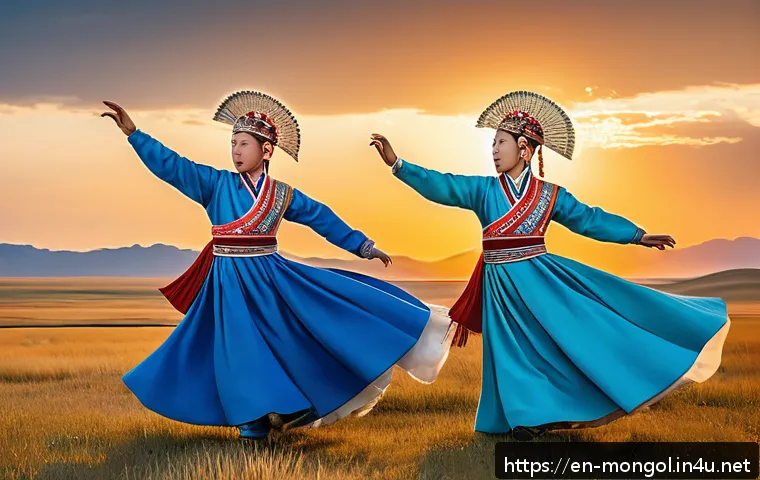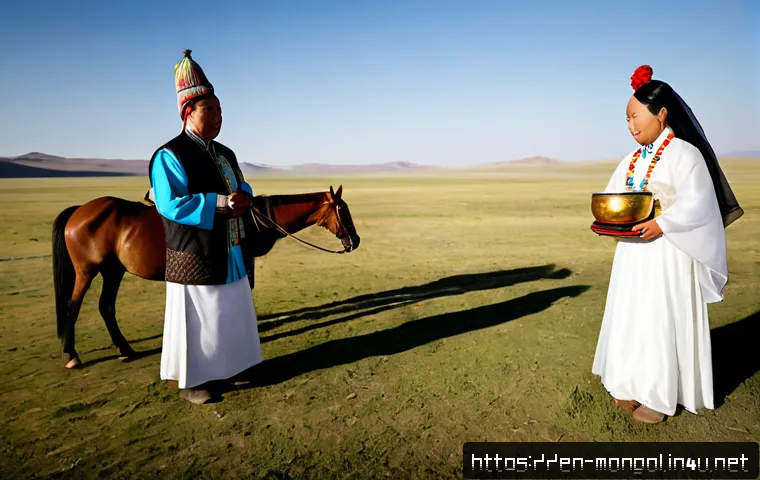
Learn how major Mongolian ceremonies, including Lunar New Year greetings, ovoo rituals, Buddhist observances, and family celebrations, differ by region and community.
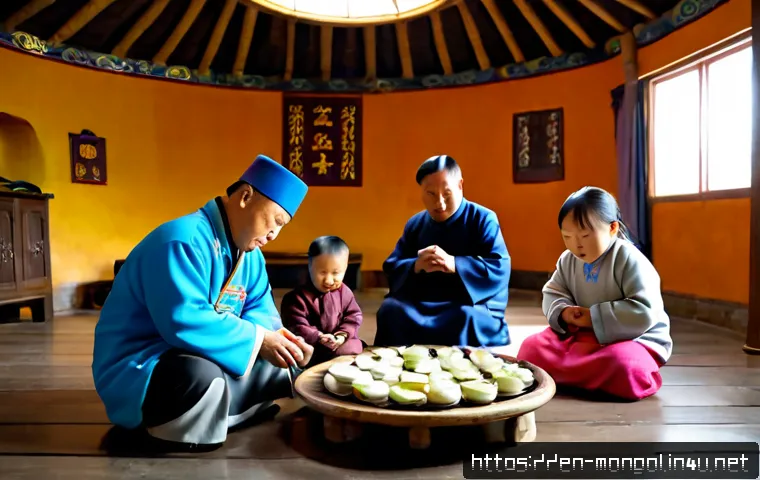
Use practical etiquette and tour-selection criteria to plan a respectful visit.
Mongolian ceremonies can be meaningful for visitors, but the right level of participation depends on whether an event is public, religious, or private.
Public festivals and some monastery visits may be accessible, while family gatherings and shamanic practices often require a clear invitation and local consent.
A responsible cultural tour or private local guide can help travelers understand boundaries before they arrive. The best choice is not always the most exclusive-looking experience; it is the one that respects hosts, community wishes, and changing local rules.
Check photography policies, transport plans, group size, cancellation terms, and whether the itinerary benefits local people. When unsure, ask before joining, recording, offering a gift, or following a ritual.
At a Glance
- Public-facing experiences: Naadam events and some monastery visits can be suitable for visitors, subject to local access rules.
- Family-centered occasions: Tsagaan Sar often includes greetings, food, and family visits, but participation depends on an invitation.
- Private or sacred practices: Shamanic ceremonies, ovoo customs, and religious observances require consent, restraint, and local guidance.
| Travel option | Best for | Main benefit | What to confirm |
|---|---|---|---|
| Independent travel | Confident travelers visiting public sites or festivals | Flexible pace and direct planning | Opening times, visitor access, transport, photography rules |
| Small-group cultural tour | First-time cultural travelers | Shared logistics and cultural context from a guide | Group size, guide credentials, community consent, itinerary details |
| Private local guide | Families, heritage learners, and travelers with specific interests | More flexibility and clearer communication | Local relationships, transport plan, boundaries around private events |
What Visitors Should Understand Before Attending a Mongolian Ceremony
The Difference Between Public Celebrations, Religious Observances, and Private Family Events
Not every cultural event is a visitor activity. Mongolia has public celebrations, religious observances, and private family occasions, and each calls for a different approach. Naadam is a major national festival centered on wrestling, horse racing, and archery. It is not one single religious ceremony, although it may be an important cultural travel highlight.
Tsagaan Sar, Mongolia’s Lunar New Year, commonly involves family visits, formal greetings, and shared food. A visitor may be welcomed into a household, but that welcome should never be assumed. Weddings, birth celebrations, and other family ceremonies also differ by household, ethnic community, location, and personal belief.
Monastery observances may allow visitors in some spaces while limiting entry to others. Shamanic practices are especially important to approach with care: they are diverse, community-specific, and should not be treated as a performance added to a sightseeing itinerary.
A Quick Etiquette Summary for First-Time Visitors
Start with a simple rule: watch, listen, and ask before acting. Let a host or local guide explain where to stand, whether to sit, and when participation is appropriate. Do not assume that a gift, offering, food item, greeting, or sacred object has the same meaning in every setting.
Keep clothing respectful at monasteries and family gatherings. Avoid treating religious or spiritual moments as entertainment. If alcohol is present, do not presume it is expected or appropriate for you. Physical contact, seating order, and food etiquette can carry meaning, so it is better to follow the lead of your host than rely on a generic travel tip.
Key Customs Travelers May Encounter Across Mongolia
Tsagaan Sar Greetings and Family Hospitality
Tsagaan Sar is Mongolia’s Lunar New Year celebration. Family visits, formal greetings, and food sharing are common parts of the holiday. Travelers may hear about zolgoh, a traditional greeting involving specific respectful gestures between people of different ages.
Because age and relationship matter, visitors should not attempt the greeting from memory or turn it into a photo opportunity. If you are invited to a home, ask your host or guide how to greet people, where to sit, and whether food or gifts are appropriate. A respectful invitation is more valuable than trying to arrange access to a private household event.
Ovoo Traditions and Respectful Behavior in Sacred Landscapes
Ovoo are stone-and-wood cairns found across many Mongolian landscapes. They may be connected with local spiritual practices and travel rituals. Their meaning can vary by place and community, so there is no single visitor rule that fits every ovoo.
Do not add, remove, touch, or place objects unless a knowledgeable local person clearly explains that it is welcome. Do not treat an ovoo as a prop for dramatic travel photos. When an itinerary includes a sacred landscape, ask the guide what behavior is expected there and whether the group is visiting as observers only.
Buddhist Monastery Observances and Visitor Boundaries
Visitors may encounter Buddhist ceremonies at monasteries, but rules on clothing, photography, and access can vary. A monastery visit can be a thoughtful addition to a cultural itinerary when it includes context rather than just a quick stop for pictures.
Before entering, confirm where visitors may go, whether a ceremony is open to observation, and whether images or video are allowed. Silence, patience, and a willingness to step back are often more respectful than trying to see every part of an observance. If your guide says access is restricted, accept that answer without pressure.
Why Shamanic Practices Require Extra Care and Consent
Shamanic practices exist in Mongolia, but they are diverse and tied to particular communities and beliefs. A traveler should not assume that a ceremony is available for viewing, booking, or recording. Consent must be specific, not implied by a tour description or a traveler’s curiosity.
Be cautious with any cultural tour that presents a spiritual practice as guaranteed entertainment. Ask whether community members have agreed to visitor participation, what role guests will have, and whether photography is prohibited. A responsible guide should be comfortable saying that an event cannot be attended or cannot be filmed.
Comparing Cultural Travel Options: Independent Visits, Group Tours, and Private Guides
What Is Usually Included in a Cultural Itinerary
A cultural itinerary may combine transport, accommodation planning, meals, a local guide, public festival attendance, monastery visits, or time in rural areas. However, inclusions vary widely. Do not assume that a tour includes entry, meals, donations, gratuities, permission to photograph, or access to a family gathering.
Separate your planning into clear categories: tour cost, transport, meals, donations or offerings, and optional guide gratuities. This makes it easier to compare two itineraries without expecting hosts or religious sites to cover costs that are not included.
Price and Value Factors to Compare Before Booking
Value is not only about the advertised itinerary. Compare the guide’s cultural knowledge, the size of the group, the clarity of transport arrangements, and the provider’s willingness to explain what may change. A small-group cultural tour may suit travelers who want shared logistics, while a private local-guide arrangement can work better for a family or a traveler with a focused learning goal.
Look for practical details: Who leads the visit? Is the guide local to the area or working with local hosts? What happens if a ceremony becomes private, changes time, or does not allow visitors? Are cancellation terms clear? These questions can reveal more than an attractive list of stops.
Questions to Ask About Community Consent and Photography
Before booking, ask direct questions. Is the visit to a public place, a religious site, or a private household? Has the host agreed to receive visitors? Are photos allowed during the visit, or only in designated areas? Will the guide explain boundaries before arrival?
A good cultural tour operator should not promise access that depends on personal invitations, religious schedules, or community decisions. For photography-focused travelers, this point matters even more: permission can change on the day.
Practical Etiquette, Safety, and Common Mistakes to Avoid
Clothing, Greetings, Gifts, Food, and Seating
Choose neat, respectful clothing for monastery and family visits. Ask before giving a gift, bringing food, or making an offering. The suitable amount or type of donation, gift, or offering is not universal and should be confirmed with a host, guide, or religious site.
During greetings and meals, follow the host’s pace. If you are unsure how to sit, accept food, or respond to a greeting, a brief question is better than guessing. This is particularly helpful for senior travelers or families who may prefer a guide able to explain customs in clear, unhurried English.
When Not to Take Photos or Record Video
Never assume that a public setting means unrestricted photography. Monasteries may set their own rules, and family or spiritual events may have stricter boundaries. Put the camera away when asked, and do not record people during a ritual simply because others are watching.
Ask permission before photographing individuals, sacred objects, food arrangements, or a host’s home. Do not use flash or move close to participants unless clearly invited to do so. A respectful photographer plans for the possibility of leaving without images.
Avoiding Disrespectful Behavior at Monasteries and Sacred Sites
At monasteries and sacred landscapes, avoid loud conversation, joking behavior, intrusive posing, and handling objects without permission. Do not pressure a guide to bend a rule. If access is limited, treat that limit as part of the cultural reality, not as a failed tour inclusion.
Travel insurance can also be worth reviewing for the practical side of cultural travel, especially where transport plans, weather, or itinerary changes may affect a trip. Check the policy’s actual terms rather than assuming that all changes or activities are covered.
Planning by Travel Situation and Season
Visiting During Tsagaan Sar or Naadam
Tsagaan Sar may offer a chance to learn about Lunar New Year greetings and family hospitality, but private visits remain invitation-based. Naadam is better suited to travelers seeking a major public cultural event focused on wrestling, horse racing, and archery.
For either occasion, confirm schedules, transport, and access close to departure. Exact event arrangements, fees, and local conditions can change. A well-planned itinerary leaves room for adjustments instead of promising a fixed ceremonial experience.
Traveling With a Family, a Photographer, or a Small Private Group
Families may benefit from a slower pace and a guide who can explain when children should observe quietly. Photographers should select trips that state their photography policy clearly, while accepting that real-time restrictions may apply. Small private groups should avoid assuming that privacy gives them broader access to homes, monasteries, or spiritual practices.
When a Local Guide Adds Meaningful Value
A local guide adds value when they can explain context, communicate with hosts, and help visitors respond appropriately if plans change. This is especially useful for ovoo visits, monastery observances, family invitations, and any itinerary mentioning shamanic practices.
The best guide is not necessarily the one promising the most access. Look for someone who explains what cannot be arranged as clearly as what can.
Choosing a Respectful Cultural Experience: Decision Checklist and Comparison Summary
Choose a public festival or standard monastery visit if you want a more predictable, visitor-facing experience. Choose a small-group cultural tour if you want logistics and cultural explanation without needing to arrange every detail yourself. Choose a private local guide when flexibility, family needs, or deeper heritage learning matters most.
Before booking, check guide credentials, group size, community benefit, consent procedures, transport details, photography rules, cancellation terms, and travel-insurance conditions. Confirm whether donations, meals, transfers, and optional gratuities are separate from the listed tour cost.
For photography-focused travel, select an itinerary that treats permission as a live decision rather than a guaranteed feature. For spiritual or family-related experiences, choose providers that are willing to say no when an event is private.
Review the official guidance and detailed booking conditions on the relevant tour or insurance page before making a payment.
Closing Thoughts
Mongolia’s ceremonies and customs are best approached with patience rather than a checklist of experiences to collect. Public festivals, monastery visits, and family invitations each offer different ways to learn. Respectful travelers accept that some moments are not for visitors at all. A guide, host, or community member should set the boundaries, and those boundaries may change.
Useful Things to Know
1. Naadam is a national festival centered on wrestling, horse racing, and archery.
2. Tsagaan Sar commonly includes family visits, formal greetings, and food sharing.
3. Zolgoh is a respectful traditional greeting connected with age and relationship.
4. Photography rules can differ from one monastery, event, or household to another.
5. Donations, gifts, and offerings should be discussed locally rather than guessed.
Important Notes
Exact ceremony schedules, public access, fees, photography permission, and participation rules must be confirmed for each location or event. A specific family, shamanic, or religious ceremony may not welcome observers or commercial tour groups. Local practices at an ovoo or sacred landscape may also differ, so follow guidance from people responsible for that place.
Frequently Asked Questions
Q1. Can tourists attend traditional ceremonies in Mongolia?
A1. Sometimes. Public festivals and some monastery visits may be open to visitors, while family gatherings, spiritual practices, and certain religious observances may require a direct invitation or may not allow observers at all. Confirm access with a local guide, host, or venue.
Q2. How do I choose a respectful Mongolian cultural tour or local guide?
A2. Compare guide credentials, group size, local community involvement, transport plans, cancellation terms, and photography policies. Ask whether hosts have consented to visits and how the operator responds if a private ceremony becomes unavailable.
Q3. Is it appropriate to photograph Buddhist, shamanic, or family ceremonies in Mongolia?
A3. Only with clear permission. Rules can vary by monastery, household, community, and occasion. Do not assume that a tour booking or a public setting gives automatic permission to take photos or record video.