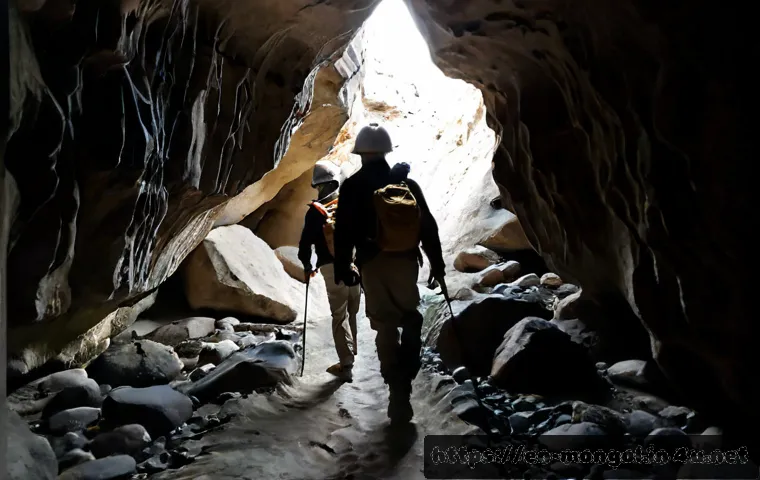
A Mongolia cave expedition is best planned as a remote-travel project first and a cave visit second. For many visitors, a local guide and capable 4WD driver are worth the added cost when access, routes, conditions, or emergency support cannot be verified in advance.
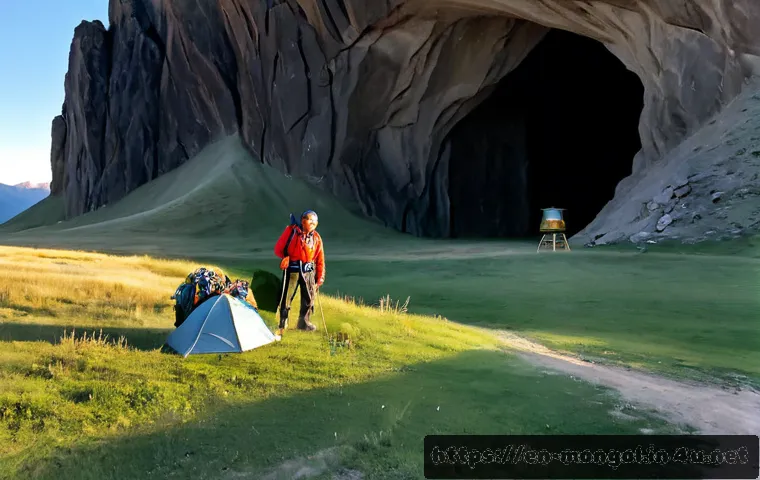
Independent planning may suit highly experienced groups, but only after confirming permissions, vehicle capability, navigation methods, and a reliable communication plan.
Do not choose a route solely from a map pin, travel post, or unverified location name. Compare guide credentials, transport support, equipment inclusions, and travel insurance terms before paying for any arrangement.
A conservative plan gives you more flexibility if weather, road conditions, or site access changes.
At a Glance
- Choose a licensed local guide when the cave location, access rules, route, or emergency options are uncertain.
- Arrange 4WD transport and an experienced driver when road conditions, fuel access, and recovery needs have not been confirmed.
- Do not commit to independent entry until you have verified permissions, cave conditions, communications, and group capability.
| Planning Option | Safety Support | Flexibility | Equipment and Logistics | Cost Consideration |
|---|---|---|---|---|
| Guided expedition | Usually the strongest option when local route knowledge and emergency planning matter. | Depends on the itinerary and group size. | Ask exactly what guide support, lighting, safety gear, transport, and communications are included. | May bundle several expedition-specific services into one quote. |
| Private driver arrangement | Can support remote transport, but may not include cave guidance or technical safety oversight. | Often more adaptable for photographers or small groups. | Confirm 4WD capability, fuel planning, route familiarity, and vehicle recovery preparation. | Separate costs may apply for driver time, fuel, accommodation, and waiting periods. |
| Self-organized travel | Relies entirely on your group’s preparation, navigation, permissions, and emergency plan. | Highest control, but also the highest planning burden. | You must source suitable transport, gear, communications, and local information independently. | Can appear cheaper before overlooked transport, equipment, and contingency costs are added. |
Is a Mongolia Cave Trip Suitable for Your Experience Level?
Quick Answer: Remote Cave Visits Require Conservative Planning
A cave-focused trip in Mongolia may involve more than underground navigation. Your group may need to manage long transport days, changing road conditions, uncertain connectivity, and limited emergency-response access. Being comfortable in caves is not automatically the same as being prepared for remote travel.
Start with the least optimistic assumption: access may change, driving may take longer than expected, and a specific cave may not be appropriate for entry when you arrive. Build a plan that allows you to turn back without creating a transport, shelter, or communication problem.
When a Local Guide Is the Safer Choice
A local guide is especially valuable for first-time Mongolia visitors, mixed-experience groups, travelers without reliable local-language support, and anyone considering a location that has not been independently verified. Ask whether the guide has direct knowledge of the intended area, a clear safety process, and a plan for access restrictions or route changes.
Do not assume that a general sightseeing guide is automatically qualified for cave entry. Local logistics knowledge and cave-specific safety knowledge are separate questions. Ask about both before booking.
Why Cave Experience Alone May Not Cover Remote-Travel Risks
Experienced cavers can still face unfamiliar risks outside the cave: route finding, fuel management, weather exposure, vehicle problems, and delayed communication. A technically capable group should verify the current site conditions rather than assuming that prior experience elsewhere transfers directly to an unfamiliar location.
Compare Planning Options: Guided Expedition, Private Driver, or Independent Travel
Safety Support, Route Knowledge, and Flexibility Compared
A guided expedition generally makes sense when your priority is a structured plan with local support. A private driver arrangement may work for a group that has its own competent cave leadership but needs reliable 4WD transport. Self-organized travel demands the strongest preparation because the group is responsible for every decision, including whether entry is permitted at all.
For a mixed-skill group, choose the option that matches the least experienced participant’s ability to handle delays, darkness, uneven terrain, and changing plans. Do not let one experienced traveler become the entire safety system.
Cost Categories to Request Before Accepting a Quote
Ask providers to separate fixed travel costs from expedition-specific costs. Fixed costs may include accommodation, food, and broader travel arrangements. Expedition costs may include guide services, 4WD vehicle hire, driver support, fuel, possible permissions, safety equipment, and communication equipment.
A clear quote should also explain what happens if weather, access restrictions, road conditions, or an unsuitable site forces an itinerary change. The lowest initial quote is not always the most useful comparison if key support items are undefined.
What Should Be Included in a Guide or Transport Package
Before booking, request written clarification on the itinerary, group size, guide role, driver role, vehicle type, fuel plan, equipment inclusions, overnight arrangements, and cancellation or change conditions. If cave gear is offered, ask whether it is appropriate for the activity and whether you should bring personal essentials instead.
When comparing guided expedition packages or 4WD transport providers, focus on what is verifiable: route knowledge, communication planning, equipment responsibility, and clear inclusions.
Build a Practical Budget for a Remote Cave Visit
International Travel, Local Transport, Accommodation, and Food
Create a base travel budget before pricing the cave component. Keep international travel, accommodation, food, and local transfers separate from the expedition budget. This prevents a remote cave visit from looking affordable simply because transport or overnight support has been omitted from the first estimate.
Guide Services, 4WD Vehicles, Fuel, and Possible Permits
Expedition-specific planning should include guide support, private driver arrangements, 4WD vehicle needs, fuel, possible permits, and contingency time. Exact fees, vehicle rates, and permit requirements must be confirmed for the intended location. Do not rely on old travel reports as a booking standard.
If a provider gives a combined price, ask which elements are included and which are paid separately. Fuel, waiting time, route changes, and vehicle recovery arrangements are practical questions worth asking before departure.
Gear Purchase Versus Rental and Insurance Considerations
Decide early whether to bring personal equipment, rent locally, or use gear included with a guide. For critical personal items such as lighting, clothing layers, and properly fitted footwear, bringing equipment you know may reduce uncertainty. If renting, confirm availability and suitability before basing the trip around it.
Travel insurance should be selected by reading the actual policy terms, not by assuming “adventure travel” automatically covers cave activity, remote transport, or emergency assistance. Check the relevant activity coverage, exclusions, and assistance process before purchase.
Prepare Safely: Permissions, Equipment, and Emergency Planning
Confirm Access Rules and Land-Use Permissions Before Departure
Some caves may be protected, seasonally closed, restricted, privately managed, or unsuitable for entry. Verify current access rules directly with the relevant local authority, land manager, or qualified local operator. Never treat an online map marker as proof of legal or safe access.
Essential Lighting, Navigation, Clothing, and First-Aid Considerations
Plan lighting with redundancy rather than a single device. Carry navigation tools appropriate for the overland route as well as the cave plan, and prepare clothing for changing temperatures, dust, moisture, and time spent outside the vehicle. A practical first-aid kit should match the group’s training and trip duration.
Equipment is not a substitute for skill. If technical ropes, vertical movement, confined passages, or water hazards may be involved, confirm the actual conditions before deciding that your group is equipped or qualified.
Communication Plans for Areas With Limited Connectivity
Assume mobile coverage may be limited or unavailable. Set a check-in plan with a trusted contact, define when missed check-ins trigger action, and identify who is responsible for carrying communication devices and emergency details. Tell every participant what to do if the group becomes separated.
Common Mistakes: Entering Alone, Relying on Map Pins, and Underestimating Transport Time
Common planning failures include entering alone, following unverified coordinates, treating a 4WD vehicle as a guarantee of access, and scheduling no buffer for slow travel. Avoid making the cave visit the only acceptable outcome of the trip. A flexible route and a safe turnaround decision are signs of good planning, not a failed expedition.
Choose the Right Approach for Your Travel Style
First-Time Mongolia Visitors: Prioritize Logistics and Local Support
First-time visitors should usually prioritize dependable logistics over maximum independence. A guide or experienced local coordinator can help clarify transport, access questions, accommodation timing, and communication planning. Keep the itinerary simple enough to absorb changes.
Experienced Cavers: Verify Technical Conditions Instead of Assuming Them
Experienced cavers should ask for current, location-specific information about access and conditions. Do not assume a cave is non-technical, open, dry, or navigable based on a broad description. If the information cannot be verified, choose a more conservative plan.
Photography-Focused Travelers: Plan for Power, Dust, and Low-Light Conditions
Photography groups need to plan for power management, protective storage, low-light workflow, and extra time. A driver or guide arrangement can be useful when the group needs flexibility for setup, weather delays, and careful equipment handling. Do not let photography goals push the group beyond safe turnaround times.
Small Groups: Assign Roles for Navigation, Safety, and Transport Coordination
Small groups benefit from clear roles. Assign one person to navigation, one to safety and check-ins, and one to transport coordination and documentation. Roles can overlap, but they should be discussed before departure rather than improvised during a delay.
Selection Criteria and Comparison Summary
Before paying a deposit, compare these points: guide credentials and local knowledge, 4WD vehicle suitability and driver experience, fuel and recovery planning, equipment inclusions, insurance coverage for the planned activity, and current permission status. Request clear written answers when any item is unclear. Compare guide credentials, vehicle support, insurance coverage, and equipment inclusions before booking. For official guidance and detailed terms, check the relevant provider or authority page directly.
Closing Thoughts
A Mongolia cave trip can be rewarding, but it should not be planned around a single unverified location or a tight schedule. Put safe access, transport reliability, and communication ahead of the desire to reach a particular cave. The right guide, driver, or equipment choice is the one that gives your group a realistic fallback plan. If essential details cannot be confirmed, postpone entry or choose a less remote activity.
Useful Things to Know
1. Keep a written copy of the itinerary, key contacts, and check-in plan.
2. Treat local access confirmation as a final step, not an assumption made during early research.
3. Ask transport providers about operational details, not only the vehicle model.
4. Pack critical personal lighting and clothing with the expectation that conditions may change.
5. Build time for a safe return, not only for reaching the destination.
Important Notes
This is a general planning guide, not confirmation that any particular cave in Mongolia is open, safe, legal to enter, or appropriate for independent travel. Current access, permit requirements, guide availability, equipment availability, weather impacts, mobile coverage, and emergency-response access require location-specific verification. Make final decisions using up-to-date information from relevant local authorities and qualified providers.
Frequently Asked Questions
Q1. Is it safe to explore caves in Mongolia without a guide?
A1. It depends on the specific cave, access rules, route, group experience, equipment, communication plan, and emergency options. Where these details are uncertain, a qualified local guide is the more conservative choice. Independent entry should not be assumed to be permitted.
Q2. How much should I budget for a guided cave-focused trip in Mongolia?
A2. Exact costs cannot be assumed because guide fees, 4WD vehicle hire, fuel, permits, accommodation, equipment, and insurance vary by route and provider. Ask for an itemized quote that separates base travel costs from expedition-specific support.
Q3. What should I ask a local guide or 4WD provider before booking?
A3. Ask about current access confirmation, relevant experience, the planned route, vehicle capability, fuel and recovery planning, equipment included, communication procedures, group-size limits, itinerary changes, and all costs not included in the initial quote.