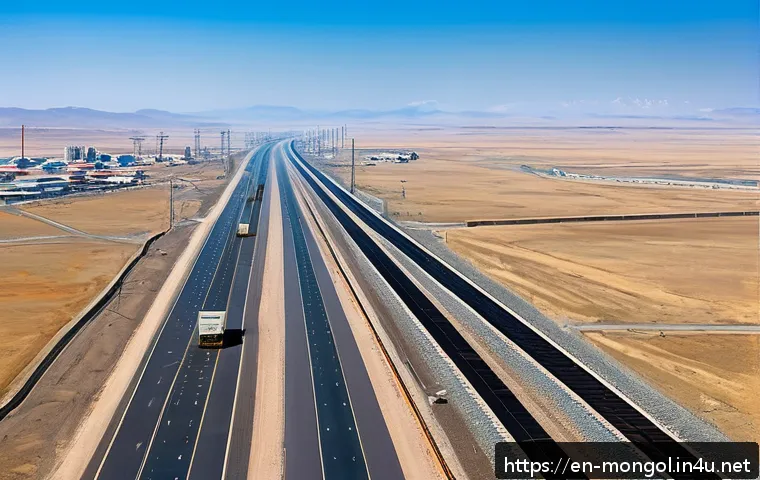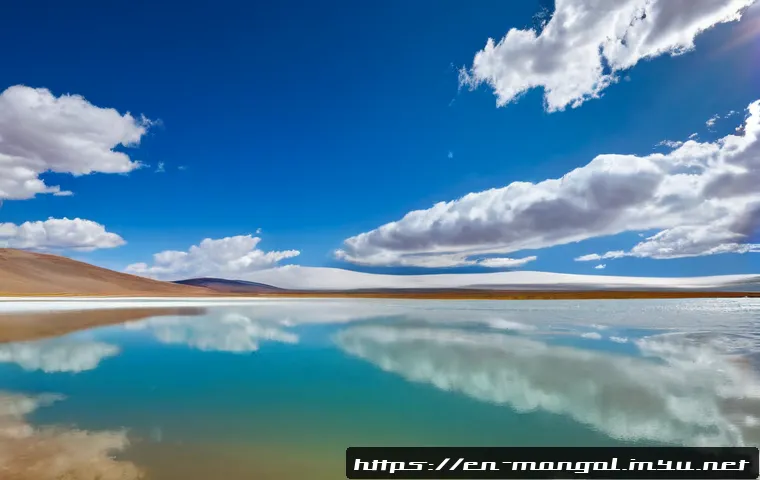
Mongolia has several saline lakes, not one single “Mongolia salt lake,” and the best choice depends on your western Mongolia route. Choose Uvs Lake when your itinerary already includes the Uvs Nuur Basin; consider Khyargas Lake when it fits a wider western overland circuit.
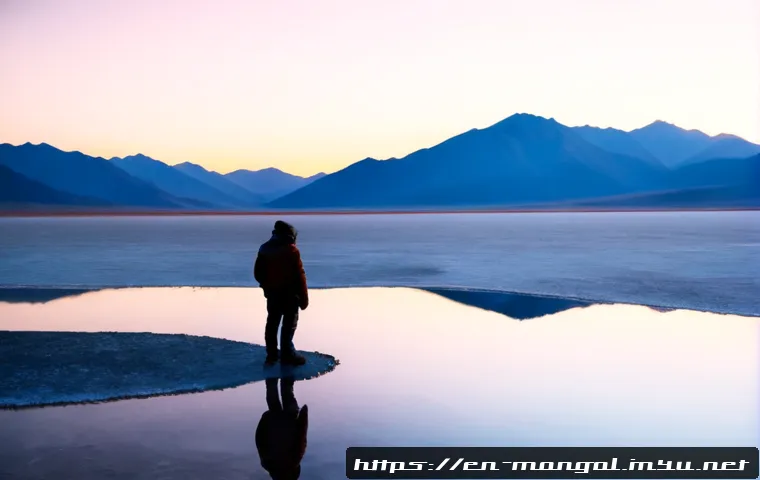
Neither lake is a simple roadside stop, so transport planning matters as much as the destination itself. Long distances, unpaved roads, limited services, and changing weather can make a 4WD, local driver, or guided overland tour a sensible choice.
Independent travelers should compare vehicle access, fuel planning, camping readiness, and extra contingency time before committing to a route. Photographers may prioritize shoreline conditions and light, while comfort-focused travelers may prefer a driver-inclusive itinerary with clearer support arrangements.
Before booking anything, confirm current road conditions, local permissions, facilities, and whether your planned activities are allowed.
At a Glance
- Uvs Lake suits travelers whose route already includes the UNESCO-listed Uvs Nuur Basin in northwestern Mongolia.
- Khyargas Lake is commonly included in broader western Mongolia overland itineraries and may fit a multi-stop circuit.
- For either lake, confirm road access, weather, shoreline conditions, services, and local rules shortly before departure.
| Decision factor | Uvs Lake | Khyargas Lake |
|---|---|---|
| Best route fit | Travelers already planning the Uvs Nuur Basin | Travelers building a wider western Mongolia circuit |
| Travel style | Remote nature and basin-focused itinerary | Overland itinerary with multiple western stops |
| Road and vehicle planning | Expect long distances and potentially unpaved access routes | Expect long distances and potentially unpaved access routes |
| Camping comfort | Plan for limited shoreline services and changing conditions | Plan for limited shoreline services and changing conditions |
| When guided travel helps | Useful when route knowledge, navigation, and logistics are priorities | Useful for travelers combining several remote western destinations |
Which Mongolian Salt Lake Should You Visit?
The Quick Answer for First-Time Visitors
If you are visiting western Mongolia for the first time, start with your overall route, not with a lake name alone. Uvs Lake is a logical choice when you are already traveling through the Uvs Nuur Basin, a UNESCO World Heritage area shared by Mongolia and Russia. Khyargas Lake is commonly identified as a saline lake and is often added to wider western Mongolia overland itineraries.
For a short schedule, the practical answer may be to avoid treating either lake as a quick detour. Remote travel can mean long driving days, unpaved roads, and access that changes with weather. A 4WD rental, driver service, or guided overland tour should be compared based on the route you can realistically complete.
Why the Destination Name Can Be Confusing
The phrase “Mongolia salt lake” sounds like a single destination, but Mongolia has more than one saline lake. That matters because each lake can require a different approach to transport, timing, supplies, and overnight planning.
Uvs Lake is a saline, endorheic lake in northwestern Mongolia. Khyargas Lake is also commonly described as saline, but it belongs in a different route conversation: travelers often consider it as part of a broader western circuit rather than as an isolated stop.
When comparing tours or driver-inclusive trips, ask exactly which lake, shoreline area, and overnight stops are included. A listing that simply says “salt lake” may not tell you enough to judge its practical value.
What to Confirm Before Adding a Lake to Your Route
Confirm the current road condition and expected route before you book transport. Maps can be incomplete or inaccurate offline, and a route that appears direct may not be appropriate for your vehicle or the weather.
Also ask about border-area restrictions, local rules, fees, permits, campsite availability, and visitor facilities. These details can change. Do not assume that swimming, shoreline driving, drone use, or camping is permitted at a particular access point.
Compare Uvs Lake and Khyargas Lake for Route, Comfort, and Cost
Location and Itinerary Fit
Uvs Lake makes the most sense when the Uvs Nuur Basin is already central to your plan. It is not simply a scenic add-on; it is part of a remote northwestern Mongolia itinerary that needs careful route design.
Khyargas Lake may be the better match when you are assembling a western Mongolia overland journey with several stops. This does not automatically make it easier or cheaper. It means the lake can fit the direction and structure of a larger circuit more naturally.
Choose the lake that reduces backtracking rather than choosing solely from photos. In remote Mongolia, fewer unnecessary route changes can improve both comfort and planning flexibility.
Road Access, Vehicle Needs, and Driving Time
Both destinations require realistic expectations. Remote lake travel can include long distances, unpaved roads, limited signs, and weather-dependent access. Water levels and shoreline conditions can also vary by season and year, so the final approach to a lake may not look like an online map suggests.
A self-drive plan can work for prepared overland travelers, but the vehicle must match the terrain and the group must be ready to manage navigation, fuel, and delays. Before arranging a 4WD rental, check what roadside assistance, vehicle recovery terms, spare-equipment policies, and route limitations are included.
Hiring a local driver with a suitable vehicle can reduce the navigation burden. It may also make it easier to adapt if a road is slow, a shoreline is unsuitable for camping, or weather changes the day’s plan.
Camping, Guesthouse, and Supply Considerations
Do not assume there will be a developed campground, a shop, drinking water, or a guesthouse at the shoreline. Visitor facilities and accommodation standards can vary, while campsite availability may be seasonal or dependent on local conditions.
Plan your food, water, sleeping arrangements, and waste storage before leaving larger settlements. If a tour includes meals, camping equipment, or overnight accommodation, ask whether those items are included throughout the route or only on selected nights.
For travelers who prefer more comfort, compare remote-accommodation options carefully. The useful question is not simply whether accommodation exists, but where it is located relative to the lake access point and what supplies or services are realistically available there.
When a Guided Overland Tour Offers Better Value
A guided overland tour can offer better value when you lack off-road experience, have limited time, or do not want to coordinate fuel, camping gear, navigation, and changing route conditions yourself. Its value often comes from logistics rather than from the lake visit alone.
Compare guided tours by their inclusions: vehicle type, driver or guide role, fuel, food, camping equipment, accommodation, route flexibility, and contingency planning. A lower headline price is not automatically the lower total cost if core supplies or transport elements are excluded.
Ask how the operator handles weather delays and route changes. This is especially important for remote lake itineraries where conditions can affect access.
Budgeting for a Remote Lake Trip in Western Mongolia
Main Cost Categories: Transport, Fuel, Driver, Lodging, and Food
A realistic budget should include more than the vehicle booking. Build a checklist around 4WD hire or vehicle transport, fuel, driver or guide services, food, camping equipment, accommodation, communications, and contingency time.
Contingency time is not an optional extra. Delays can result from road quality, weather, navigation adjustments, or a need to change a planned shoreline stop. A tightly scheduled plan may become expensive if it leaves no room for practical changes.
Self-Drive Versus Hiring a Driver With a 4WD
Self-drive gives you control over the pace and stops, but it also places responsibility for route decisions, fuel planning, vehicle care, and recovery arrangements on your group. It is best suited to travelers who are comfortable with remote overland logistics.
A driver-inclusive 4WD trip may be a better fit when you want local route knowledge without joining a fully guided group. When comparing driver services, clarify whether fuel, food, overnight arrangements, and waiting time are included. Also confirm who decides on route changes if access becomes difficult.
There is no universal “cheaper” option. The more remote and equipment-heavy your plan becomes, the more important it is to compare the full package rather than the initial daily quote.
How to Compare Tour Inclusions Without Relying on Headline Price
Use the same questions for every operator or trip provider. Does the itinerary name the lake and route clearly? Is the vehicle suitable for unpaved roads? Are camping gear, meals, fuel, and accommodation stated in writing? Is there flexibility for weather or road changes?
Also ask what is not included. A transparent tour description is usually more useful than a low starting price with unclear transport or camping arrangements.
Plan Safely Around Weather, Roads, and Limited Services
Seasonal Access and Changing Shoreline Conditions
Conditions at remote lakes can change by season and year. Water levels, shoreline surfaces, road quality, and visitor facilities may not match older travel reports or images. Confirm current local information before you set out.
Do not assume that a beach-like shoreline is suitable for swimming, parking, or camping. The precise salinity, water quality, and safety of a particular access point need local confirmation at the time of travel.
Navigation, Fuel, Water, and Communications Planning
Carry more planning detail than you would for a city-based trip. Download maps in advance, but do not treat offline mapping as final proof that a track is passable. Discuss alternate routes with your driver, guide, or vehicle provider.
Plan fuel stops before leaving populated areas, carry adequate water and food for the route, and consider how you will communicate if your group is delayed. Review travel insurance coverage for remote transport and activities before purchase, paying attention to the policy’s specific terms and exclusions.
Respectful Camping and Low-Impact Travel Practices
Remote shorelines are not empty spaces without rules. Camp only where permitted, avoid driving unnecessarily along the shoreline, pack out waste, and keep your group’s impact low. If you plan to fly a drone, camp overnight, or enter a restricted-looking area, ask locally first.
Respectful travel also protects your itinerary. Following local guidance can prevent avoidable access problems and helps keep your plans flexible when conditions are changing.
Choose the Right Trip Style for Your Travel Priorities
Best Approach for Independent Overland Travelers
Independent travelers should prioritize a route that matches their real skills, vehicle setup, and available time. Choose Uvs Lake if the Uvs Nuur Basin is already part of the plan; choose Khyargas Lake if it fits the direction of a broader western circuit.
Before committing to self-drive, compare 4WD rental terms, fuel arrangements, vehicle support, and the practical consequences of a delayed road day. Independence works best when you have a workable backup plan.
Best Approach for Photographers and Nature-Focused Visitors
For photography-focused travel, leave room for changing light, weather, and shoreline access. The lake name alone does not guarantee the conditions you want at a particular spot. Build your route around time flexibility rather than a fixed arrival-and-departure schedule.
A driver or guided overland itinerary may be useful if you want help adapting to local road conditions while keeping your attention on landscapes and field time.
Best Approach for Travelers With Limited Time or No Off-Road Experience
If you have limited time or no experience with remote roads, a driver-inclusive trip or guided overland tour is often the more straightforward choice. You still need to check what is included, but you avoid handling every vehicle and navigation decision alone.
Look for a clear itinerary, stated vehicle arrangements, and transparent information on meals, accommodation, camping equipment, and route changes. Travel insurance should be reviewed before departure, especially for remote driving and outdoor plans.
Selection Criteria and Comparison Summary
Choose Uvs Lake if Your Route Already Includes the Uvs Nuur Basin
Uvs Lake is the stronger fit when your trip is already focused on the Uvs Nuur Basin. Its UNESCO World Heritage setting gives the destination a clear geographic context, but it remains a remote route that requires careful access planning.
Choose Khyargas Lake if It Fits a Broader Western Mongolia Circuit
Khyargas Lake may be the better choice when it supports a larger western Mongolia overland route. It is commonly included in western itineraries, making it a practical candidate when it reduces route duplication and works with your available travel time.
Checklist Before Booking Transport, a Driver, or a Guided Tour
Make the decision using these final checks:
- Does the lake fit your route without unnecessary backtracking?
- Is the vehicle appropriate for long distances and unpaved roads?
- Have current road, weather, shoreline, and access conditions been confirmed?
- Are fuel, food, camping equipment, lodging, and contingency time included in your budget?
- Do you understand the difference between self-drive, a driver-inclusive 4WD, and a guided tour?
- Have you reviewed travel insurance terms for your planned remote travel?
Before booking, compare the detailed conditions for 4WD hire, driver services, guided-tour inclusions, and travel insurance coverage on the relevant provider pages.
Final Thoughts
The best Mongolian salt lake is not necessarily the one that looks closest on a map. Uvs Lake and Khyargas Lake belong to different route decisions, and both require patience with distance, roads, and changing conditions. Plan around transport and flexibility first, then choose the lake that fits naturally into your western Mongolia itinerary. A well-checked route is usually more valuable than an overly ambitious one.
Useful Things to Know
1. “Salt lake” can refer to multiple destinations in Mongolia, so always confirm the exact lake in an itinerary.
2. Shoreline conditions, water levels, roads, and facilities may vary by season and year.
3. A tour’s total value depends on its inclusions, not only its advertised price.
4. Remote travel plans need fuel, water, food, navigation, and extra time built in from the start.
Important Notes
Current road conditions, park rules, permits, fees, border-area restrictions, camping availability, and accommodation standards require confirmation close to your travel date. Do not assume swimming, camping, drone use, or shoreline driving is allowed at a particular location. Water safety and quality can vary by access point, so seek current local guidance before entering the water.
Frequently Asked Questions
Q1. Is there one famous salt lake in Mongolia, or several?
A1. There are several saline lakes in Mongolia. Uvs Lake and Khyargas Lake are two important western Mongolia options, but they fit different routes and should not be treated as the same destination.
Q2. Is it safer and more cost-effective to hire a driver or join a guided tour for western Mongolia’s lakes?
A2. It depends on your route, off-road experience, group size, and what is included. A driver with a 4WD can reduce navigation and vehicle-planning pressure, while a guided tour may bundle more logistics. Compare fuel, food, camping equipment, accommodation, route flexibility, and support arrangements rather than relying on headline price.
Q3. Can visitors swim or camp at Mongolia’s saline lakes?
A3. This must be confirmed locally for the specific lake and access point. Permissions, shoreline conditions, water safety, camping rules, and seasonal access can vary, so do not assume swimming or camping is allowed simply because a lake is saline.