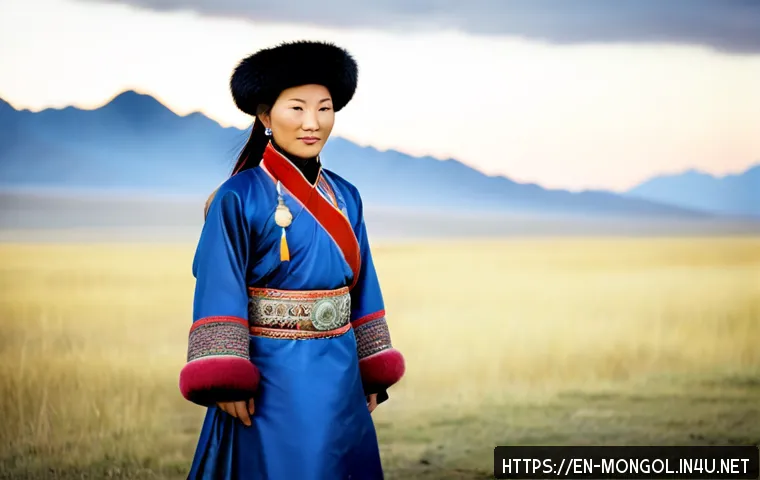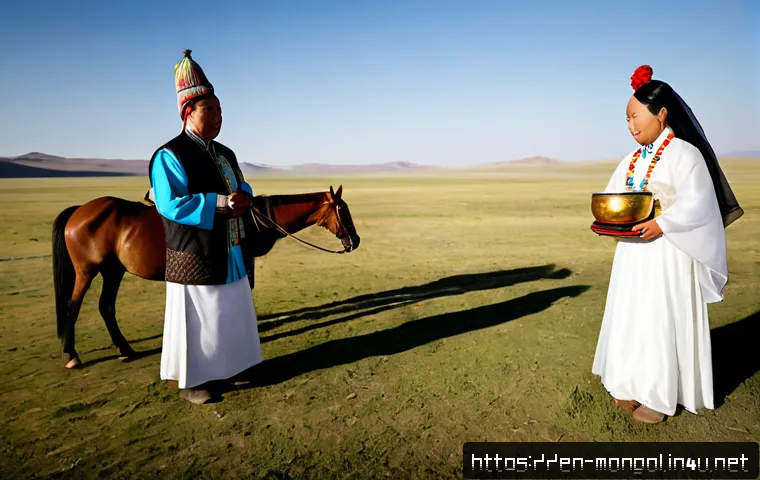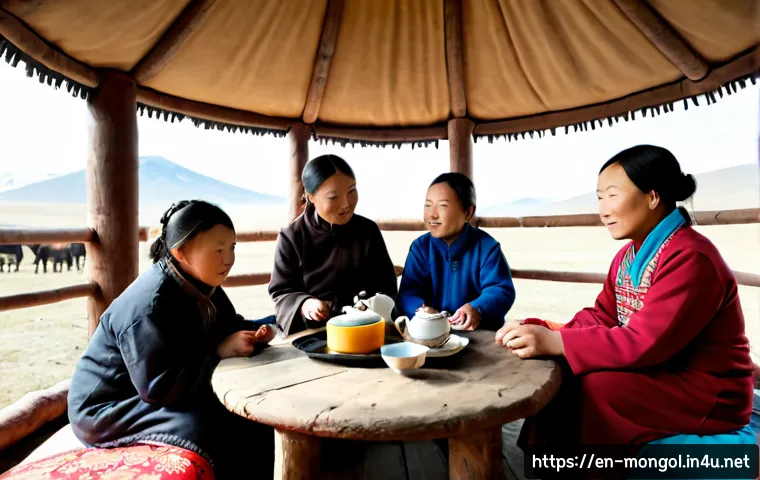
Mongolian family life is often associated with strong kinship ties, respect for older relatives, hospitality, and practical mutual support. These values remain useful cultural context, but no single tradition describes every family in Mongolia today.
Living arrangements and routines can differ greatly between urban apartments, rural settlements, and herding households. Visitors usually benefit most from approaching family customs with curiosity rather than fixed expectations.
If you are choosing a cultural tour, homestay, study-abroad program, or relocation resource, clear communication about accommodation and host boundaries matters more than promises of an “authentic” experience.
A respectful plan leaves room for the preferences of the individual family you meet.
At a Glance
- Kinship, respect for elders, hospitality, and mutual help are widely recognized cultural themes in Mongolian social life.
- Rural herding families and urban households may have very different routines, needs, and ways of receiving guests.
- Use cultural guidance as a starting point, then follow the preferences and boundaries of the people hosting or working with you.
| Experience | Best For | Preparation | Questions to Ask |
|---|---|---|---|
| Urban visit | Travelers wanting everyday city context | Be flexible around work and family schedules | Is the visit private, hosted, or part of a program? |
| Rural homestay | Visitors interested in herding-community life | Prepare for changing conditions and shared routines | What are the accommodation, transport, language, and host expectations? |
| Guided cultural tour | Short-term visitors seeking structure | Compare what the itinerary actually includes | How are family visits arranged, and what boundaries apply? |
| Study program | Students and longer-stay travelers | Review support, housing, and communication arrangements | What cultural orientation and local support are provided? |
The Core Values Often Associated With Mongolian Family Life
Mongolian family traditions are often discussed through the ideas of kinship, respect, hospitality, and cooperation. These themes can help visitors understand social interactions, especially when visiting homes or joining local programs. They should not be used as a script for predicting how any particular household will act.
Kinship, Mutual Responsibility, and Community Support
Family and kinship networks have traditionally played an important role in Mongolian social life. Historically, mobile pastoral livelihoods encouraged cooperation among relatives and neighboring households. In practical terms, this background can make mutual support an important cultural reference point, particularly in rural and herding settings.
For a visitor, the useful lesson is simple: a family visit may involve more people, relationships, or shared responsibilities than expected. Avoid treating those connections as a tourist display. Listen first, accept guidance from your host, and do not assume that everyone in a household has the same role.
Respect for Elders and Family Hierarchy
Respect for older relatives is widely recognized as an important family and social norm. This does not mean every family follows the same hierarchy or makes decisions in the same way. Age, education, religion, income, region, and urban or rural life can all shape household practices.
A considerate approach is to greet people politely, pay attention when older family members speak, and let your host guide the pace of introductions. If you are attending through a cultural tour or school program, ask the organizer whether there are any household-specific expectations before the visit.
Hospitality and the Role of Guests
Hospitality toward guests is a well-known feature of Mongolian culture, especially in rural and herding communities. Still, an invitation, a meal, or a conversation is personal. Hospitality is not a guarantee of access to private family life, photographs, or personal stories.
Accept warmth graciously without assuming that you must interpret every gesture. If you are unsure about a meal, seating, gifts, or how long to stay, ask your host or guide quietly. Respectful questions are generally better than confident assumptions.
Rural and Urban Family Contexts: What May Differ
It is more accurate to compare contexts than to divide Mongolia into “traditional” and “modern” families. Urban apartment households, rural settlements, and herding families can all reflect Mongolian cultural values in different ways. Neither setting is more authentic than the other.
Herding Households and Seasonal Cooperation
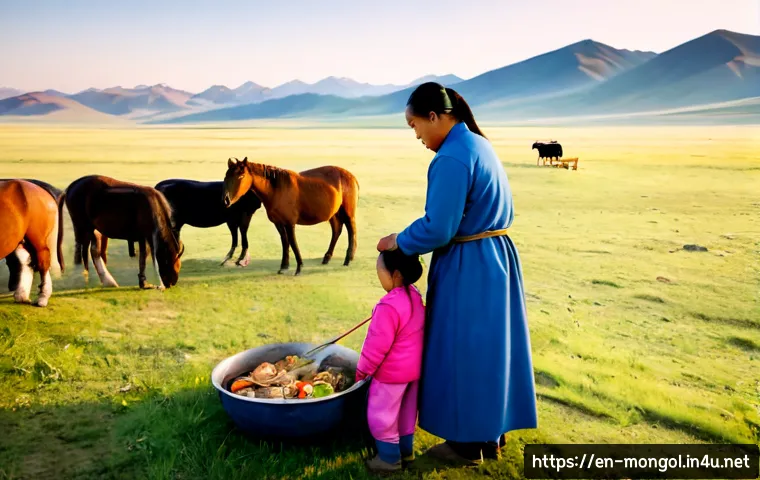
Herding households may be shaped by mobile pastoral livelihoods and the cooperation they have historically required. Daily rhythms can be tied to household responsibilities, neighboring relationships, and changing conditions. A rural homestay may therefore involve shared space, practical routines, and less control over a visitor’s schedule than a standard hotel stay.
Choose this type of experience if you are comfortable adapting to host routines. Before booking, confirm accommodation standards, transport arrangements, language support, and the role expected of guests. A responsible provider should describe these practical details clearly rather than selling an unrealistic image of rural life.
City Households, Work Schedules, and Changing Routines
Urban families may live in apartment households and balance work, education, commuting, and family commitments. Traditional customs can still influence family life, but city routines may leave limited time for visitors or extended conversations. Do not assume that an urban household is less connected to family traditions simply because it has a different pace.
For students, expat families, and long-stay travelers, a city-based cultural program can offer a more manageable introduction to local life. Ask whether the program includes orientation, local contacts, and support when expectations between hosts and participants need clarification.
Why No Single Family Model Represents All of Mongolia
Contemporary family practices may differ by generation, region, income, religion, education, and household location. The exact beliefs, roles, and decision-making patterns within an individual family are not something a visitor can know in advance. This is why broad cultural knowledge should lead to humility, not certainty.
Comparing Cultural Experiences Before You Book
A good cultural experience is not defined by how closely it matches a visitor’s expectations. It is defined by whether the arrangement is clear, respectful, and appropriate for both guests and hosts. Compare practical support as carefully as you compare itinerary highlights.
Independent Travel Versus Guided Cultural Tours
Independent travel may suit people who are comfortable managing communication, transport, and changing plans on their own. It can offer flexibility, but it also requires visitors to be especially careful about boundaries and invitations.
Guided cultural tours can be useful for short-term travelers who want assistance with introductions and logistics. Compare tour inclusions carefully. Find out whether a family visit is a brief meeting, a meal, a homestay, or simply an optional part of the itinerary. Clear descriptions are more valuable than vague claims about exclusive access.
Homestays, Educational Programs, and Responsible Expectations
A homestay can be a meaningful option for travelers who are prepared to follow household routines and communicate respectfully. It is not automatically the right choice for every first-time visitor. People who prefer more privacy, predictable accommodation, or a structured schedule may be better served by a guided tour with separate lodging.
For a study-abroad program, look beyond cultural activities. Ask about housing arrangements, orientation, language assistance, emergency contacts, and ongoing program support. These details help students focus on learning rather than guessing what is expected.
Questions to Ask About Accommodation, Language Support, Transport, and Host Boundaries

Before selecting a homestay, tour, relocation resource, or education provider, ask practical questions. What type of accommodation is offered? How will transport be handled? Is language support available? What personal areas or family activities are private? Is photography allowed only with permission?
These questions do not make an experience less genuine. They help prevent avoidable misunderstandings and allow hosts and visitors to begin with shared expectations.
Visitor Etiquette: Practical Ways to Show Respect
The safest etiquette rule is to be observant and ask when uncertain. A respectful visitor does not need perfect knowledge of every custom. They do need to recognize that family homes are personal spaces, not public attractions.
Accepting Hospitality Without Making Assumptions
If you are welcomed into a home, respond with appreciation and follow the lead of your host. A kind offer should not be interpreted as permission to stay longer, enter private areas, or ask deeply personal questions. When a guide is present, they can help clarify what is appropriate in that household.
Photography, Gifts, Meals, and Personal Questions
Ask before taking photographs of people, homes, meals, or daily activities. If you bring a gift, keep the focus on thoughtfulness rather than value, and check with the host organization if it provides guidance. During meals or conversations, let your host set the tone. Questions about work, family life, or personal beliefs should be asked gently and only when the conversation makes them welcome.
Common Mistakes to Avoid When Discussing Family Roles
Avoid speaking as if all Mongolian families share the same division of responsibilities, religious beliefs, or household rules. Do not frame rural families as frozen in the past or urban families as detached from tradition. Curiosity is respectful when it leaves room for individual choice.
Family Traditions in a Changing Society
Traditional customs continue to influence many Mongolian families, while contemporary life also brings changing routines and priorities. Both realities can exist at the same time. Visitors gain a better understanding when they avoid treating change as a loss of culture.
Generational Differences and Urbanization
Generational differences and urbanization may affect how family members organize daily life, communicate, and maintain customs. However, the degree of change varies from one household to another. A traveler or student should not expect a city, province, or age group to follow one fixed pattern.
Balancing Cultural Continuity With Individual Family Choices
Family values may be expressed through everyday care, respect, hospitality, and connections among relatives. The form those values take can vary. The most useful mindset is to notice what your hosts choose to share rather than searching for a single definition of Mongolian family life.
Choosing a Respectful Cultural Experience: Comparison Summary
For short-term visitors: a guided cultural tour may be easier if you want organized transport, clear introductions, and practical support. Compare the itinerary, the length and nature of family visits, and whether accommodation is separate or shared.
For students and long-stay travelers: a study program or carefully explained homestay may offer deeper context when it includes orientation, housing details, language support, and a clear contact person. Choose a structure that matches your comfort with shared routines and personal privacy.
Before deciding, check these points: who arranges the visit, what accommodation is provided, what language support exists, how transport works, what host boundaries apply, and what support is available if plans change. For official guidance and full conditions, review the relevant tour, homestay, or program page before you book.
Final Thoughts
Mongolian family life is best understood through broad values and careful attention to individual circumstances. Kinship, elder respect, hospitality, and cooperation are meaningful cultural reference points, but they are not rules that define every household. Whether you visit through a tour, school program, homestay, or workplace connection, clear expectations help everyone feel more comfortable. Respect begins with listening, asking permission, and allowing hosts to define their own family experience.
Useful Things to Know
1. Rural and urban experiences can both provide valuable cultural context.
2. A homestay requires flexibility; a guided tour may provide more structure.
3. Photography and personal questions should be approached with permission.
4. Program support, accommodation details, and transport plans are worth checking before commitment.
Important Notes
This guide describes widely recognized cultural themes, not the exact customs of every Mongolian family. Household expectations can vary by region, generation, religion, education, income, and whether a family lives in an urban or rural setting. Confirm specific etiquette, accommodation conditions, and participation expectations directly with your host, guide, school, or program provider.
Frequently Asked Questions
Q1. What are the most important family values to understand before visiting Mongolia?
A1. Kinship, mutual support, respect for older relatives, and hospitality are commonly associated with Mongolian family and social life. Treat these as useful context rather than assumptions about every household.
Q2. Is a Mongolian homestay a good option for first-time travelers?
A2. It can be a good option if you are comfortable adapting to host routines and have clear information about accommodation, transport, language support, and privacy. Travelers who prefer more predictable arrangements may prefer a guided cultural tour with separate lodging.
Q3. How can I choose a responsible cultural tour or study program in Mongolia?
A3. Compare what is actually included, how family visits are arranged, what accommodation standards apply, and what support is available. Ask about language assistance, transport, host boundaries, orientation, and contact arrangements before making a decision.