Embarking on a journey to Mongolia is an exciting adventure, but navigating its immigration process can feel overwhelming for newcomers. With recent updates in visa regulations and border protocols, staying informed is more crucial than ever.
Whether you’re planning a short visit or a long-term stay, understanding each step will save you time and stress. In this guide, I’ll share practical insights and firsthand tips to help you breeze through Mongolia’s immigration procedures smoothly.
Let’s dive into everything you need to know before setting foot in this captivating land.
Understanding Entry Requirements and Visa Options
Different Types of Visas and Their Purposes
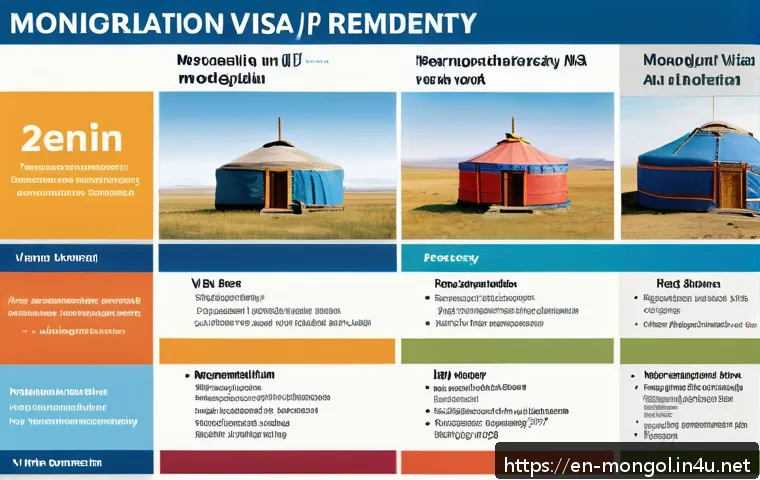
When planning a trip to Mongolia, the first thing to grasp is the variety of visa categories available. Tourist visas are the most common for short stays, typically lasting up to 30 days, perfect for exploring the vast landscapes and cultural sites.
Business visas cater to those attending meetings or conferences, with durations that can be extended based on the nature of your work. If you’re considering a longer stay, such as for work or study, you’ll want to look into residency or work permits that require additional documentation.
Knowing which visa fits your plan will help avoid unnecessary complications at the border.
How to Apply for a Mongolian Visa
The visa application process has become more streamlined recently, but it still demands careful preparation. Applications can be submitted online through the Mongolian Ministry of Foreign Affairs website or at a Mongolian embassy or consulate abroad.
Essential documents usually include a valid passport, a completed application form, a passport-sized photo, proof of travel arrangements, and sometimes an invitation letter if visiting for business or study.
Fees vary depending on nationality and visa type, so double-checking current costs is essential. Starting your application well in advance is a smart move to avoid last-minute stress.
Visa Exemptions and Special Cases
Mongolia offers visa-free entry to citizens of certain countries for limited periods, often ranging from 7 to 30 days. This can be a real time-saver if you qualify.
Additionally, diplomatic passport holders have special privileges, including longer stays without visas. However, these exemptions come with their own set of rules, like restrictions on activities during the stay or proof of onward travel.
It’s wise to verify your eligibility and any recent updates to these policies before planning your trip.
Preparing for Arrival: What to Expect at Mongolian Borders
Immigration Checkpoints and Required Documents
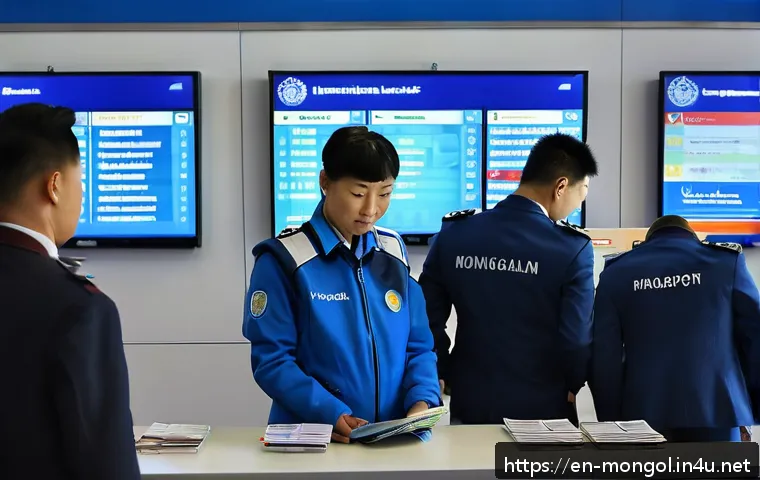
Upon arrival in Mongolia, whether at Ulaanbaatar’s Chinggis Khaan International Airport or a land border crossing, immigration officers will carefully review your documents.
Besides your visa and passport, they often require a completed immigration card, which you receive on the plane or at the border. Sometimes, you may be asked for proof of accommodation or return tickets.
Being organized with these papers and answering questions politely and clearly can make the process smooth and quick.
Customs Regulations and Restrictions
Mongolia enforces strict customs regulations to protect its environment and economy. Declaring items such as large sums of cash, certain food products, or expensive electronics is mandatory.
There are also limits on bringing in alcohol and tobacco products. Failure to declare or attempting to bring prohibited items can lead to fines or confiscation.
If you’re carrying gifts or business samples, it’s helpful to have invoices or receipts ready. Taking a moment to understand these rules beforehand saves headaches at customs.
Health and Safety Checks at Entry Points
Health screenings have become a routine part of many countries’ border protocols, and Mongolia is no exception. Depending on global health situations, you might undergo temperature checks or be asked about recent travel history related to infectious diseases.
Vaccination certificates or negative test results may be required. Staying updated on current health policies is crucial, especially since they can change rapidly.
Packing necessary health documents and following instructions at the border helps ensure you’re not delayed or denied entry.
Navigating Residency Permits and Extensions
Eligibility Criteria for Residency
If you’re planning to stay in Mongolia for several months or years, obtaining a residency permit is essential. Eligibility often depends on your purpose—work, study, family reunion, or investment.
Employers can assist with work permits, while universities handle student permits. Investors must meet minimum capital requirements and submit business plans.
Understanding these criteria early on allows you to prepare the right paperwork and avoid unnecessary trips back home.
How to Apply and Renew Residency Permits
Applying for a residency permit typically involves submitting an application to the General Authority for State Registration and Intellectual Property or the Immigration Agency.
Documents usually include your passport, visa, proof of financial means, health insurance, and a clean criminal record. Renewals must be done before the current permit expires, often requiring updated documents and fees.
Starting this process at least a month in advance is wise, as processing times can vary.
Rights and Responsibilities of Residents
Holding a residency permit grants you certain rights, such as the ability to work legally, access healthcare, and open bank accounts. However, it also comes with responsibilities like abiding by Mongolian laws and reporting any changes in your address or employment status to immigration authorities.
Staying compliant not only protects your status but also makes future renewals or applications for permanent residency easier.
Understanding Work Permits and Employment Regulations
Securing a Work Permit Before Arrival
Mongolia requires foreigners to obtain work permits before starting employment. Usually, your employer initiates this process by submitting necessary documents on your behalf, including a letter of invitation and labor contract.
It’s important to ensure your job offer is legitimate and that the employer is registered. Attempting to work without a permit can lead to fines or deportation, so verifying this step is crucial.
Labor Laws and Employee Rights
Foreign workers enjoy protections under Mongolian labor laws, including regulated working hours, minimum wage standards, and safety regulations. Understanding these rights helps you negotiate fair employment terms and recognize any unfair treatment.
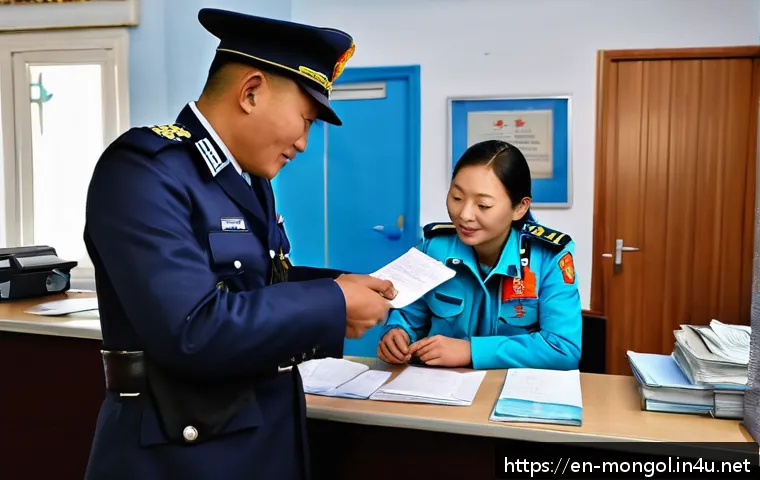
Contracts should be detailed, specifying salary, work hours, and benefits. If issues arise, local labor offices and embassies provide support, but prevention through clear agreements is always better.
Extending Work Permits and Changing Employers
Work permits in Mongolia are generally valid for one year but can be extended. Extensions require updated documentation, including continued employment proof and medical clearance.
Changing employers involves notifying immigration authorities and obtaining a new permit linked to your new job. This process can be time-consuming, so planning transitions carefully helps avoid gaps in your legal work status.
Registering Your Stay and Local Compliance
Mandatory Registration with Local Authorities
Within seven days of arrival, foreigners must register their place of residence with the local police or immigration office. This can be done at your hotel, rental agency, or employer.
Registration involves submitting your passport, visa, and address details. Failing to register promptly can result in fines or difficulties with future immigration processes.
It’s a straightforward step that ensures you’re officially recognized during your stay.
Renewing Registration and Reporting Changes
If you change your accommodation or extend your stay, updating your registration is mandatory. This keeps your records current and avoids penalties. Some accommodations handle registration on your behalf, but confirming this is your responsibility.
Maintaining clear communication with local authorities demonstrates respect for Mongolian regulations and supports a hassle-free stay.
Understanding Local Laws and Cultural Norms
Beyond paperwork, respecting local customs and laws is vital. Mongolia has unique traditions, especially in rural areas, and understanding them enriches your experience.
For instance, dress modestly in religious sites and avoid photographing certain places without permission. Legal infractions, even minor ones, can lead to serious consequences for foreigners.
Learning about local etiquette not only helps you blend in but also shows appreciation for Mongolian culture.
Essential Tips for a Smooth Immigration Experience
Organizing Your Documents Efficiently
Keeping all your immigration-related documents neatly organized is a game-changer. Use a dedicated travel folder or digital copies backed up securely.
Include your passport, visa, entry and exit stamps, accommodation proof, work or study permits, and any correspondence with immigration offices. Having everything at your fingertips reduces anxiety during inspections and speeds up processing times.
Timing Your Applications and Renewals
Starting visa or permit applications early is something I’ve learned the hard way. Processing times can fluctuate, especially during peak travel seasons or due to policy changes.
Setting calendar reminders for renewals and preparing documents in advance helps avoid last-minute scrambles. This proactive approach saves time, money, and stress, allowing you to focus on enjoying your Mongolian adventure.
Seeking Professional Help When Needed
Sometimes, the paperwork and bureaucracy can feel overwhelming, especially with language barriers or changing regulations. Hiring a local immigration consultant or lawyer can be a worthwhile investment.
They bring expertise, ensure your applications are complete, and can represent you if issues arise. While it adds to your budget, the peace of mind and time saved often justify the cost.
Quick Reference Table: Mongolia Visa Types and Durations
| Visa Type | Purpose | Typical Duration | Extension Possibility | Key Requirements |
|---|---|---|---|---|
| Tourist Visa | Short-term travel and sightseeing | Up to 30 days | Usually not extendable | Valid passport, travel itinerary, proof of funds |
| Business Visa | Work-related visits, meetings | 30 to 90 days | Extensions possible with documentation | Invitation letter, employment proof, passport |
| Student Visa | Study at Mongolian institutions | Duration of course or program | Renewable annually | Admission letter, financial proof, passport |
| Work Permit | Legal employment | Usually 1 year | Renewable | Employment contract, employer sponsorship |
| Residency Permit | Long-term stay | Varies; often 1 year | Renewable | Valid visa, proof of purpose, financial means |
Conclusion
Navigating Mongolia’s entry requirements and visa options can seem complex at first, but with careful preparation and understanding, the process becomes much smoother. Whether you’re visiting for tourism, work, or long-term residency, knowing the right steps and necessary documents will save you time and stress. Embracing local customs and regulations further enriches your experience in this unique country.
Useful Information to Keep in Mind
1. Always double-check the latest visa policies on official government websites before applying, as regulations can change unexpectedly.
2. Organize your travel and immigration documents digitally and physically to ensure quick access during inspections.
3. Start your visa or permit application well ahead of your planned travel date to avoid delays caused by processing times.
4. If your stay involves work or study, maintain close communication with your employer or educational institution for support with permits.
5. Respect Mongolia’s cultural norms and legal requirements to foster a positive and hassle-free stay.
Key Takeaways
Understanding the variety of visa types and their requirements is essential for a successful entry into Mongolia. Preparing all necessary documents and submitting applications early helps prevent last-minute issues. Registering your residence promptly and adhering to local laws ensures compliance and peace of mind. For those working or studying, securing appropriate permits and knowing your rights protects your status. Finally, seeking professional advice when needed can save time and reduce stress throughout your immigration journey.
Frequently Asked Questions (FAQ) 📖
Q: uestions about Mongolia Immigration ProcessQ1: What are the current visa requirements for entering Mongolia?
A: As of now, most travelers need to obtain a visa prior to arrival unless they are from visa-exempt countries. Mongolia offers various visa types including tourist, business, and long-term stay visas.
The application typically requires a valid passport, completed forms, a recent photo, and sometimes an invitation letter depending on your visa category.
Processing times can vary, so it’s wise to apply at least a few weeks in advance. I personally found that preparing all documents meticulously saved me from last-minute stress and ensured a smooth entry.
Q: Can I extend my stay once I am in Mongolia?
A: Yes, it is possible to extend your visa while in Mongolia, but extensions are granted at the discretion of the immigration authorities. Extensions usually require a valid reason such as tourism, business activities, or other personal circumstances.
You’ll need to visit the General Authority for State Registration office before your current visa expires. From my experience, starting the extension process early—about a week before expiration—helps avoid any penalties or forced departure.
Q: What should I expect during the border control process upon arrival?
A: When arriving in Mongolia, be prepared for thorough immigration checks. Officers may ask about your travel plans, accommodation, and purpose of visit.
It helps to have all your documents organized and accessible, including your passport, visa, and any supporting paperwork like hotel reservations or invitation letters.
I noticed that being polite and clear in your answers makes a big difference. Also, some travelers have reported health screenings or temporary document verifications, so allowing extra time at the border is advisable to avoid rushing.