In a world that’s rapidly changing, reconnecting with ancient traditions offers a refreshing glimpse into the heart of cultures often overlooked. Mongolia’s traditional dance rituals are more than just captivating movements—they’re vivid stories passed down through generations, embodying the spirit of its nomadic heritage.
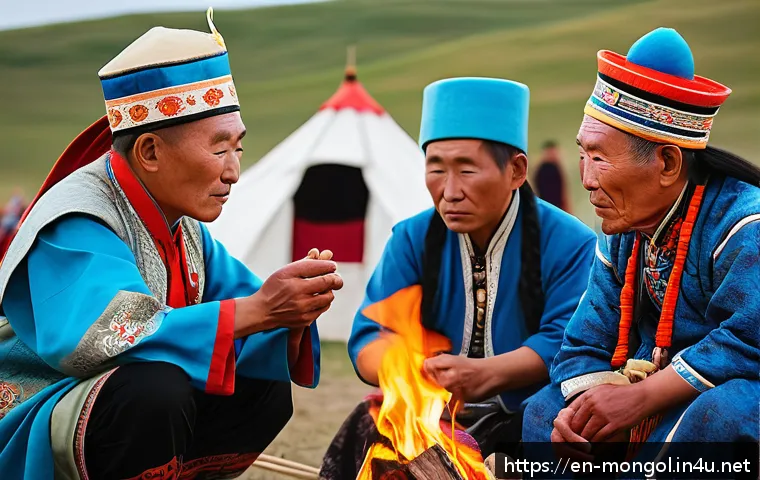
As interest in cultural preservation surges globally, now is the perfect time to explore how these dances reveal Mongolia’s deep-rooted values and collective memory.
Join me as we journey beyond the surface to unlock the vibrant tales and emotions woven into every step and gesture. This exploration promises not only to entertain but to enrich your understanding of a unique cultural tapestry still thriving today.
The Dance as a Living Chronicle of the Steppes
Echoes of the Nomadic Lifestyle
Mongolian traditional dances aren’t just performances; they act as living chronicles that capture the essence of the nomadic way of life. Each movement mimics the daily rhythms of herding, horse riding, and the vast, open landscapes that define Mongolia.
When you watch these dances, you can almost feel the wind sweeping across the steppes and hear the distant calls of livestock. The fluidity and grace reflect the harmony between humans and nature, a relationship that has shaped Mongolian identity for centuries.
It’s fascinating how, through dance, entire stories of survival and coexistence are told without a single word.
Symbolism Embedded in Movement
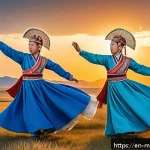
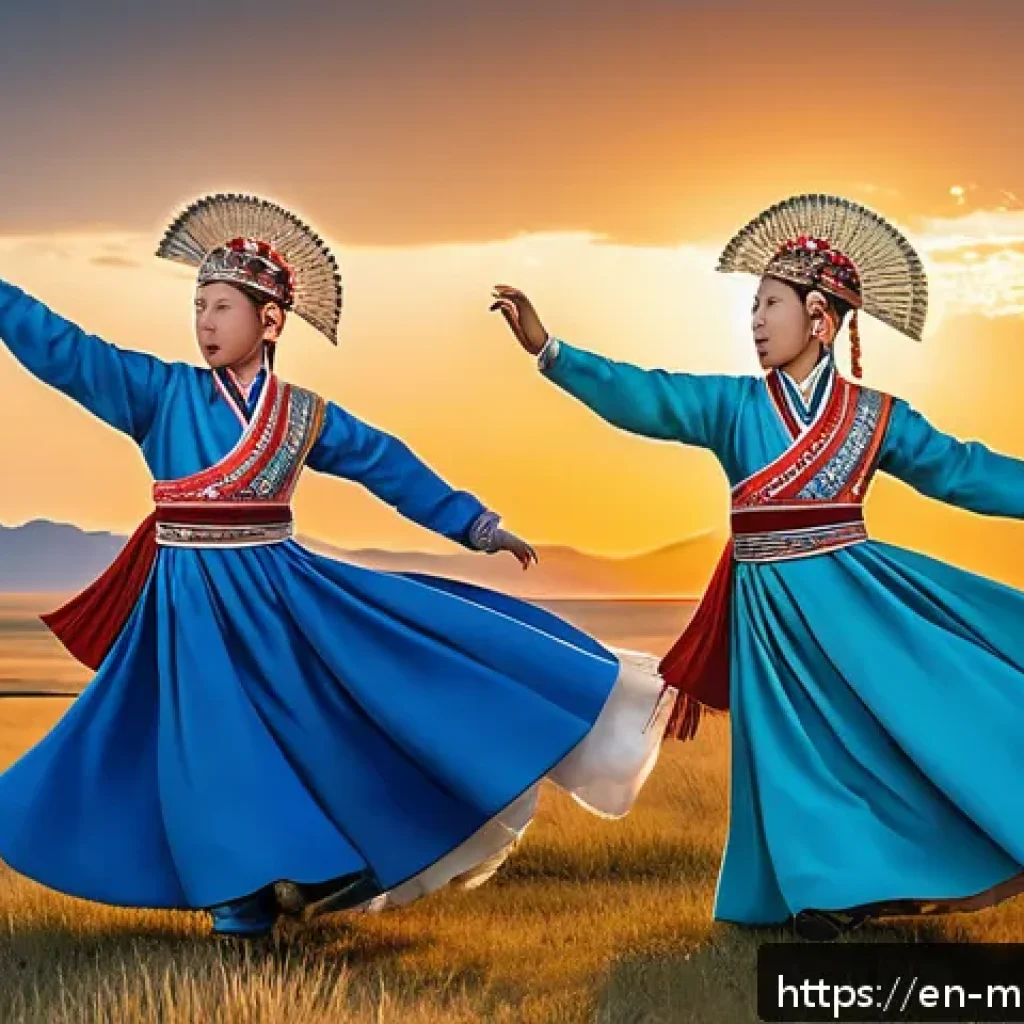
The gestures and postures in these dances carry deep symbolic meanings. For example, the outstretched arms often represent the wings of an eagle, a revered creature in Mongolian culture symbolizing freedom and vision.
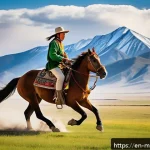
The footwork can mimic the galloping of horses, expressing speed and power. These symbolic gestures serve as a language of their own, connecting dancers and audiences in a shared cultural understanding.
From my experience watching these performances live, the intensity and precision of each step felt like a direct link to the past, making the history tangible and alive.
Transmission of Heritage Through Generations
What makes these dances truly remarkable is how they are passed down through families and communities, often informally. Elders teach the young not just the steps, but the stories and emotions behind them.
This oral and physical transmission ensures that the dances remain authentic and rooted in tradition. I’ve met performers who describe learning their first dance moves alongside tales of ancestors and ancient rituals, a practice that creates a profound sense of belonging and continuity.
It’s more than preservation; it’s a living, breathing cultural thread.
Interplay of Music and Movement: A Sensory Tapestry
Traditional Instruments Setting the Mood
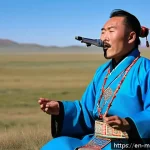
The accompaniment of traditional Mongolian instruments like the morin khuur (horsehead fiddle) and the khoomii (throat singing) adds layers of depth to the dance experience.
The morin khuur’s haunting melodies evoke the vastness of the Mongolian landscape, while throat singing’s overtone harmonies mimic natural sounds like wind and water.
This sonic backdrop enhances the narrative quality of the dance, inviting audiences to immerse themselves fully. Watching a dance with live music is a transformative experience—there’s a palpable energy that draws you in and holds you spellbound.
Rhythm and Pace Reflecting Emotional Nuance
The tempo and rhythm are carefully crafted to mirror the emotional tone of the story being told. Slow, deliberate movements paired with soft music often depict moments of reflection or mourning, while fast, dynamic sequences convey celebration or battle.
This nuanced interplay between sound and motion creates an emotional journey that resonates deeply with viewers. Personally, I’ve noticed that even without understanding the language or cultural specifics, the music and dance communicate universal feelings like joy, sorrow, and resilience in a way that feels immediate and heartfelt.
Improvisation and Personal Expression
Although rooted in tradition, Mongolian dance allows room for personal expression and improvisation, especially during communal gatherings. Dancers often add subtle variations or spontaneous flourishes that reflect their own emotions or the mood of the moment.
This blend of structure and freedom keeps the art form vibrant and relevant. I recall attending a festival where a dancer’s impromptu movements sparked applause and tears alike, showing how these dances are not static museum pieces but living, evolving expressions of identity.
Costumes as Visual Narratives
Materials and Design Reflecting Environment
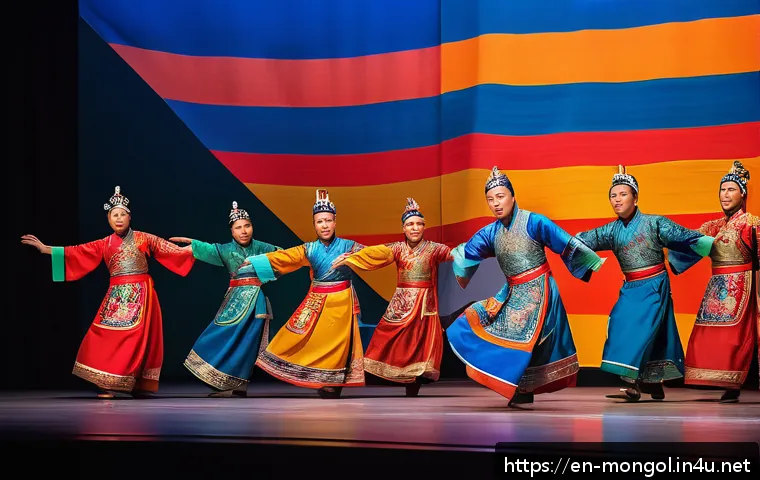
The traditional costumes worn during Mongolian dances are as telling as the movements themselves. Crafted from natural materials like wool, silk, and leather, they reflect the harsh yet beautiful environment of the steppes.
The designs often feature intricate patterns symbolizing protection, prosperity, and spiritual beliefs. Wearing these garments, dancers don’t just represent their culture—they embody it.
From my observations, the textures and colors of the costumes add a tactile dimension to the storytelling, making each performance a feast for the eyes as well as the spirit.
Colors and Their Cultural Significance
Color choices in Mongolian dance costumes are deliberate and meaningful. For example, blue is commonly used to represent the eternal sky, a central element in Mongolian spirituality.
Red might symbolize fire or vitality, while white often denotes purity and peace. These colors communicate messages that deepen the audience’s understanding of the dance’s themes.
I’ve found that learning about these symbolic hues enhances the viewing experience, transforming it from simple entertainment into a layered cultural dialogue.
Adornment and Accessories as Extensions of Storytelling
Beyond the main garments, accessories like hats, belts, and jewelry play significant roles in the overall narrative. They can indicate social status, regional origin, or the particular story being portrayed.
For instance, certain headpieces are worn only during specific ceremonies or dances, adding a ritualistic element to the performance. I remember being captivated by how a small piece of jewelry or a unique belt could change the entire mood of a dance, underlining the rich complexity embedded in every detail.
Community and Celebration: Dance as Social Glue
Gatherings That Reinforce Identity
Mongolian traditional dances are often performed during festivals, weddings, and other communal events, where they act as social glue binding people together.
These occasions are more than entertainment—they’re vital expressions of collective identity and pride. Being part of such a gathering, you feel a strong sense of belonging and shared history.
From personal experience, the energy in these moments is infectious; even visitors unfamiliar with the culture find themselves swept up in the joyous celebration.
Rituals and Spiritual Dimensions
Many dances are imbued with spiritual significance, performed as rituals to honor ancestors, nature, or deities. The choreography often includes gestures meant to invoke blessings or protection.
This spiritual layer adds depth and reverence to the performances, making them sacred acts rather than mere spectacles. Witnessing these dances has given me a new appreciation for how art can function as a bridge between the material and the spiritual worlds, a concept that resonates universally.
Intergenerational Bonds Strengthened Through Dance
Dance events often bring together multiple generations, creating opportunities for younger members to learn directly from elders. This interaction fosters respect and continuity, reinforcing cultural values and stories in a dynamic setting.
I’ve seen firsthand how grandparents beam with pride as grandchildren take their first dance steps, a moment that encapsulates the living nature of tradition and the hope for its future.
Preservation Efforts and Modern Adaptations
Challenges in a Globalized World
As Mongolia modernizes, traditional dances face challenges like urbanization and changing lifestyles. Younger generations may be less connected to nomadic roots, and the influx of global entertainment competes for attention.
However, there is a growing movement to preserve these dances through education and cultural programs. I’ve spoken with cultural activists who emphasize the importance of adapting traditions without losing their essence, a delicate balance that requires creativity and commitment.
Fusion and Innovation
Some contemporary Mongolian artists blend traditional dance with modern styles, creating hybrid forms that appeal to wider audiences. This fusion often incorporates new music genres or choreography while respecting traditional foundations.
From my perspective, this evolution is exciting—it keeps the tradition alive and relevant, inviting fresh interpretations and participation from diverse communities.
Role of Technology in Cultural Transmission
Digital media and social platforms have become vital tools for documenting and sharing Mongolian dance traditions globally. Online tutorials, virtual performances, and archival footage make these cultural treasures accessible to people far beyond Mongolia’s borders.
I’ve personally enjoyed discovering rare dance videos and connecting with performers online, which has deepened my appreciation and understanding. Technology, when used thoughtfully, becomes a powerful ally in cultural preservation.
Understanding the Stories Behind the Steps
Heroic Tales and Legends
Many dances recount epic stories of heroes, battles, and legendary figures from Mongolian history. These narratives not only entertain but also educate audiences about values like bravery, loyalty, and honor.
The dancers embody these characters, bringing ancient myths to life in a way that’s both captivating and meaningful. I found that knowing the backstory of a dance enriched my experience, transforming it into a vivid historical journey.
Everyday Life and Emotional Expression
Not all dances are grand or heroic; some depict everyday moments—courtship, family life, or the changing seasons. These portrayals reveal the emotional landscape of Mongolian people across time.
Watching these more intimate dances, I felt a strong emotional connection that transcended cultural differences, reminding me how universal human experiences are expressed through art.
Nature and Spiritual Connection
A recurring theme in Mongolian dance is the deep reverence for nature. Movements often imitate animals, weather, and natural phenomena, reflecting a worldview that sees humans as part of a larger ecosystem.
This spiritual connection is central to Mongolian identity and is beautifully expressed through dance. Experiencing these performances has made me more aware of the profound respect for nature embedded in many indigenous cultures worldwide.
| Aspect | Traditional Meaning | Modern Interpretation |
|---|---|---|
| Outstretched Arms | Symbolize eagle’s wings, freedom | Expression of personal aspiration and openness |
| Morin Khuur Music | Evokes vast steppes and nomadic spirit | Used in fusion genres blending traditional and contemporary sounds |
| Blue Costume Color | Represents eternal sky, spirituality | Symbolizes cultural pride and identity in urban festivals |
| Improvisation | Personal expression within tradition | Encourages innovation and cultural dialogue |
| Community Dance Events | Strengthen social bonds, celebrate heritage | Platforms for cultural education and tourism |
Embodying Resilience Through Movement
Survival Amid Harsh Conditions
Mongolian dances reflect the resilience required to survive and thrive in a demanding environment. The strength and endurance demonstrated in the choreography mirror the physical and mental toughness of nomadic communities.
Witnessing these performances, I was struck by how dance serves as a metaphor for overcoming adversity, a theme that resonates universally.
Cultural Identity in a Changing World
As Mongolia faces rapid social and economic changes, traditional dance remains a vital anchor for cultural identity. It offers a way for people to reconnect with their roots and assert their uniqueness in a globalized world.
From conversations with dancers and community members, I’ve learned that this art form provides comfort and pride, helping individuals navigate the tension between tradition and modernity.
Inspiration for Future Generations
The enduring appeal of Mongolian dance inspires younger generations to explore and reinterpret their heritage. This ongoing engagement ensures that the culture remains dynamic and relevant.
I’ve seen young performers infuse their own experiences into traditional frameworks, creating a hopeful vision for the future where ancient stories continue to inspire and unite.
In Conclusion
Mongolian traditional dance is a powerful expression of cultural identity, history, and resilience. Through graceful movements, symbolic gestures, and vibrant costumes, these dances bring the nomadic spirit to life. Experiencing them offers a meaningful connection to Mongolia’s past and present, showing how tradition can thrive even amid modern changes. Ultimately, these dances are living stories that continue to inspire and unite communities across generations.
Useful Information to Know
1. Mongolian dance movements often imitate natural elements and daily nomadic activities, creating a deep connection to the environment.
2. Traditional music, especially the morin khuur and throat singing, enhances the emotional and narrative impact of the performances.
3. Costumes are carefully designed with symbolic colors and materials that reflect Mongolia’s spiritual beliefs and harsh climate.
4. Dance serves as a social and spiritual practice, strengthening community bonds and preserving cultural heritage.
5. Modern adaptations and digital platforms are playing a key role in keeping Mongolian dance relevant and accessible worldwide.
Key Takeaways
Traditional Mongolian dance is not just an art form but a vital cultural thread that weaves together history, spirituality, and community. Its preservation depends on balancing respect for heritage with openness to innovation. For those interested in cultural traditions, Mongolian dance offers a rich and dynamic example of how movement can embody identity and resilience in a rapidly changing world.
Frequently Asked Questions (FAQ) 📖
Q: uestions about Mongolian Traditional Dance RitualsQ1: What makes Mongolian traditional dances unique compared to other cultural dances?
A: Mongolian traditional dances stand out because they deeply reflect the nomadic lifestyle and spiritual beliefs of the Mongolian people. Each movement is symbolic, often mimicking the natural world—like the galloping of horses or the flight of eagles—and conveys stories of survival, respect for nature, and ancestral wisdom.
Unlike many dances focused mainly on aesthetics, Mongolian dance rituals are living narratives passed down through generations, preserving history and cultural identity in a way that feels both authentic and emotionally powerful.
Q: How are these traditional dances preserved and shared in modern Mongolia?
A: Preservation happens through a blend of community engagement and formal education. Many Mongolian families teach these dances to their children from a young age, keeping the tradition alive at home.
Additionally, cultural festivals and national events showcase these dances, drawing locals and tourists alike. Some dance troupes and schools also work to adapt traditional moves for contemporary performances, which helps maintain relevance while honoring the original spirit.
Personally, witnessing these dances live at a Naadam festival gave me a real sense of how treasured and vibrant this heritage remains today.
Q: Can anyone learn Mongolian traditional dance, and what should beginners expect?
A: Absolutely! While some dances require specific skills or understanding of symbolic gestures, many are accessible to newcomers who are open to learning.
Beginners should expect to engage both physically and emotionally, as the dances are expressive and often tell heartfelt stories. It’s helpful to start with guided lessons or workshops led by experienced dancers who can explain the cultural context behind each step.
From my experience, embracing the cultural background enhances the enjoyment and depth of the dance, making it more than just movement but a meaningful connection to Mongolia’s rich heritage.