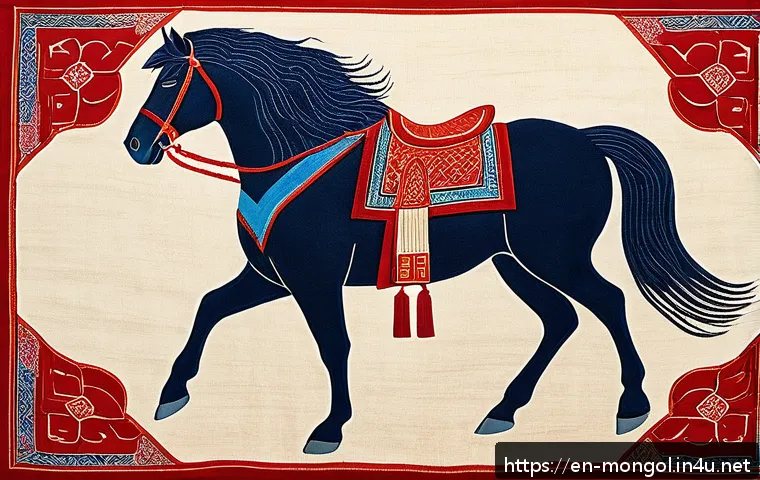
In today’s world where cultural heritage is gaining renewed appreciation, traditional Mongolian patterns offer a fascinating glimpse into a rich and vibrant history.
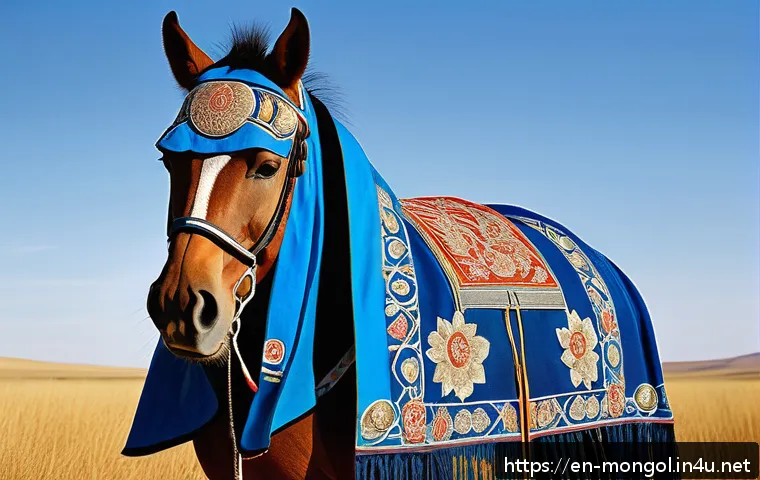
These intricate designs are more than just decoration—they carry deep meanings tied to identity, spirituality, and nature. As global interest in indigenous art surges, understanding these patterns helps us connect with Mongolia’s unique worldview.
If you’ve ever wondered about the stories woven into these motifs, stick around—there’s a lot to uncover that goes beyond their beauty. Let’s dive into the secrets behind these timeless symbols and their cultural significance.
Echoes of Nature in Mongolian Motifs
The Symbolism of Animal Figures
In traditional Mongolian patterns, animals are more than mere decorations—they’re carriers of meaning and spirit. For example, the horse often appears as a symbol of freedom, strength, and endurance, reflecting Mongolia’s deep connection to its nomadic lifestyle.
When I first noticed the recurring horse motifs on felt rugs and clothing, it struck me how these images represent not just physical animals but ideals that shaped Mongolian identity through centuries.
Similarly, eagles and falcons are frequent motifs symbolizing vigilance and power. These birds are revered for their keen sight and hunting prowess, qualities admired and aspired to by Mongolian warriors and herders alike.
Understanding these animal symbols offers a window into how the Mongols viewed their environment and their own place within it.
Plants and Growth: More Than Decoration
Plants and floral patterns in Mongolian art are subtle yet potent symbols of life, growth, and renewal. The lotus flower, for instance, carries spiritual significance, often linked to purity and enlightenment in Mongolian Buddhism.
What’s fascinating is how these natural elements are stylized in patterns, blending geometric precision with organic flow. This interplay creates a visual narrative of harmony between humans and nature.
When I explored Mongolian textiles, I noticed that these botanical motifs often appeared on garments worn during festivals or rituals, underscoring their role in expressing hope and continuity.
Celestial Elements and the Universe
Mongolian patterns frequently incorporate celestial symbols such as the sun, moon, and stars, which embody cosmic order and protection. The sun motif, radiating with symmetrical rays, is thought to bring warmth, life, and guidance.
The moon, often crescent-shaped, symbolizes change and cycles, reflecting the natural rhythms that nomadic peoples live by. Stars are considered auspicious, guiding travelers and herders through vast steppes.
When I learned about these celestial motifs, it deepened my appreciation for how Mongolians integrate their worldview—where the sky is a vital part of daily existence—into their art.
Hidden Stories in Geometric Designs
Repeating Patterns and Their Meanings
One of the most captivating aspects of Mongolian traditional patterns is the use of repeating geometric shapes. These aren’t just aesthetic choices but deliberate codes conveying protection, unity, and balance.
For instance, the endless knot—a pattern found in many Mongolian textiles—represents the interconnectedness of all things and the cyclical nature of life.
When I first encountered this motif, I was amazed by how a simple looped design could carry such profound philosophical meaning. The repetition also serves a meditative purpose, calming the mind and evoking a sense of eternity.
Lines and Angles: Direction and Energy
Sharp angles and flowing lines in Mongolian patterns are believed to channel energy and direct spiritual forces. Triangles might represent mountain peaks or the direction of the wind, both vital elements in Mongolian ecology and cosmology.
Curved lines often mimic rivers or clouds, symbolizing movement and transformation. From my experience observing these patterns on traditional yurts and clothing, I realized they function as visual prayers, offering protection and blessings to those who wear or live among them.
Color Choices and Their Symbolism
Colors in Mongolian traditional designs are carefully chosen to amplify the patterns’ meanings. Red often symbolizes fire and vitality, blue represents the eternal sky, and white conveys purity and peace.
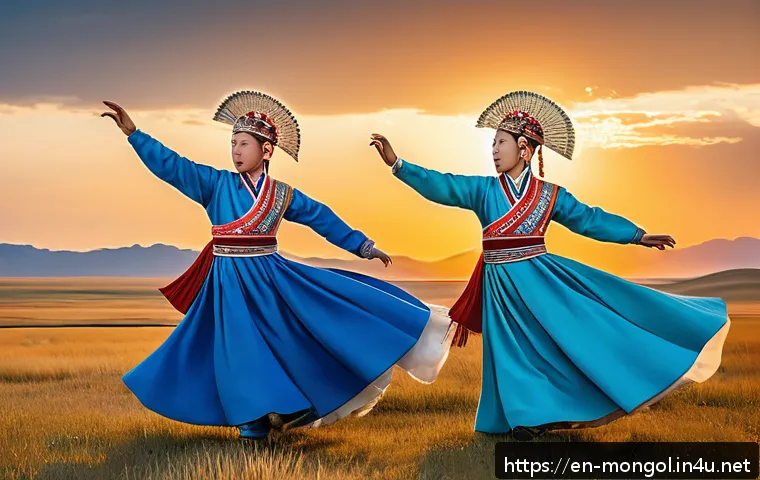
These colors aren’t random; they reflect spiritual beliefs and natural elements crucial to Mongolian life. When I saw a Mongolian deel adorned with vibrant reds and blues, it felt like wearing a piece of the sky and earth combined.
This mindful use of color enhances the emotional and symbolic impact of the patterns.
Patterns as Cultural Identity Markers
Clan and Regional Differences
Mongolian traditional patterns vary significantly depending on the clan or region, serving as markers of identity. For instance, certain motifs are unique to the Khalkha tribe, while others distinguish the Buryat or Kazakh Mongols.
This diversity showcases Mongolia’s rich cultural mosaic. I remember talking to artisans who proudly explained how their family’s patterns have been passed down for generations, each stitch telling a story of heritage and belonging.
These patterns are living history, encoded in thread and fabric.
Patterns in Daily Life and Ceremonies
Patterns are not confined to art or clothing—they permeate daily life and ceremonies. Whether on the felt walls of a ger (yurt), on saddles, or in wedding garments, these designs reinforce community bonds and tradition.
I once attended a Naadam festival where the intricate embroidery on participants’ costumes told stories of ancestry and spiritual protection. It’s clear that these patterns are woven into the very fabric of Mongolian social life, symbolizing continuity amidst change.
Modern Revival and Adaptation
Today, Mongolian designers and artists are revitalizing traditional patterns in contemporary fashion and art, blending old symbolism with modern aesthetics.
This resurgence not only preserves heritage but also makes it accessible to a global audience. I’ve seen young Mongolians proudly wearing modern clothing featuring traditional motifs, showing how these ancient symbols remain relevant and dynamic.
This fusion of past and present breathes new life into Mongolian identity.
Spiritual Dimensions Embedded in Design
Shamanistic Roots in Patterns
Before Buddhism’s spread, Mongolian shamanism deeply influenced the symbolism in patterns. Many motifs reflect shamanistic beliefs, such as protective spirits and the connection between humans and nature.
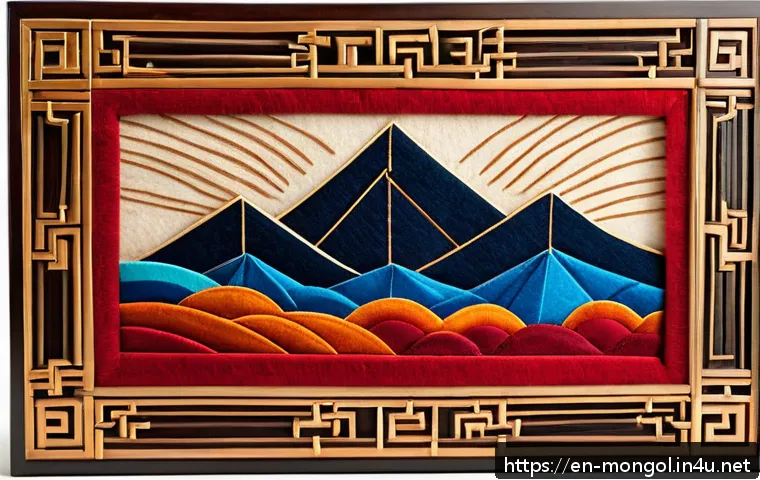
I found that certain zigzag lines mimic lightning, believed to carry spiritual power, while spirals represent life cycles and transformation. These designs serve as spiritual tools, warding off evil and inviting blessings, which shows how art and spirituality intertwine seamlessly.
Buddhist Influence and Symbolism
Buddhism introduced new layers of meaning to Mongolian patterns, incorporating sacred symbols like the lotus, endless knot, and Dharma wheel. These elements express concepts of enlightenment, karma, and cosmic balance.
From visiting temples decorated with intricate carvings and textiles, I noticed how these patterns create a contemplative atmosphere, inviting reflection and reverence.
The spiritual depth embedded in these designs elevates them beyond mere decoration.
Healing and Protection Through Patterns
Many Mongolian patterns are believed to possess healing and protective powers. When used in clothing or household items, they act as talismans against illness and misfortune.
For example, the “Ulzii” symbol, shaped like an endless knot, is often embroidered on newborns’ clothes to ensure health and longevity. I’ve seen families treat these patterns with great respect, underscoring their role as guardians woven into everyday life.
Craftsmanship Behind the Patterns
Traditional Techniques and Materials
Creating Mongolian patterns requires mastery of time-honored techniques passed down through generations. Whether weaving, embroidery, or felting, artisans use natural materials like wool, silk, and leather.
Watching a craftsman work on a shyrdak (felt carpet) was a revelation—each pattern is carefully planned and executed with patience and precision. The tactile connection to nature through these materials adds another layer of meaning to the art.
Tools and Methods Unique to Mongolia
Mongolian artisans utilize specialized tools that reflect their nomadic heritage. For example, the use of hand-carved wooden frames and natural dyes derived from plants and minerals ensures authenticity and sustainability.
When I tried my hand at natural dyeing, I realized how integral these methods are to preserving the patterns’ vibrant colors and cultural significance.
These tools are not just instruments but extensions of the artisans’ spirit and tradition.
Preserving Skills in a Changing World
With modernization, many traditional crafts face the risk of fading away. However, efforts to document and teach these skills have grown, supported by cultural organizations and local communities.
I’ve participated in workshops where elders shared their knowledge, emphasizing the importance of keeping these crafts alive. This preservation not only honors the past but also empowers future generations to carry forward Mongolia’s artistic legacy.
Comparative Symbolism Across Cultures
Common Threads with Other Nomadic Arts
Mongolian patterns share striking similarities with those of other nomadic peoples across Central Asia. Motifs like the endless knot, animal figures, and geometric shapes appear in Kazakh, Kyrgyz, and even Siberian art.
This overlap reflects shared histories and environments, highlighting how cultural exchanges shaped artistic languages. When comparing these, I was fascinated by both the unity and unique twists each culture adds, revealing a rich tapestry of nomadic expression.
Distinctive Features Setting Mongolian Art Apart
Despite these similarities, Mongolian patterns have distinctive features—such as the specific stylization of horses and the prominence of celestial motifs—that echo Mongolia’s unique spiritual and ecological context.
The boldness of color choices and the integration of shamanistic symbols also set them apart. Observing these differences helped me appreciate how Mongolian art is both part of a wider nomadic tradition and a singular cultural voice.
Global Influence and Contemporary Fusion
In recent years, Mongolian patterns have inspired designers and artists worldwide, merging traditional motifs with global trends. This fusion can be seen in fashion runways and home decor, where Mongolian elements add exotic flair and symbolic depth.
From my perspective, this global interest validates the timeless appeal of these patterns, encouraging cross-cultural dialogue and innovation without losing their roots.
| Motif | Symbolism | Common Usage | Associated Beliefs |
|---|---|---|---|
| Horse | Freedom, Strength, Endurance | Clothing, Rugs, Jewelry | Vitality and Nomadic Spirit |
| Endless Knot | Interconnectedness, Eternity | Textiles, Religious Artifacts | Protection and Harmony |
| Lotus Flower | Purity, Enlightenment | Buddhist Textiles, Ceremonial Wear | Spiritual Growth |
| Sun | Life, Guidance, Warmth | Ger Decorations, Clothing | Cosmic Order |
| Ulzii Symbol | Health, Longevity, Protection | Newborn Clothing, Household Items | Healing and Blessings |
In Conclusion
The intricate motifs of Mongolian art reveal a deep connection to nature, spirituality, and cultural identity. Each symbol carries stories passed down through generations, reflecting the nomadic lifestyle and rich heritage of Mongolia. Exploring these patterns offers a meaningful glimpse into how art shapes and preserves a community’s soul. Embracing both tradition and modern adaptation, Mongolian motifs continue to inspire and resonate today.
Useful Information to Know
1. Mongolian animal motifs like horses and eagles symbolize strength, freedom, and vigilance, deeply rooted in nomadic culture.
2. Plant and floral designs, such as the lotus, represent spiritual growth and renewal, often linked to Buddhist beliefs.
3. Celestial symbols—sun, moon, and stars—reflect cosmic order and guidance essential to Mongolian life.
4. Geometric patterns like the endless knot carry philosophical meanings of eternity and interconnectedness.
5. Traditional craftsmanship involves natural materials and techniques that preserve cultural authenticity and sustainability.
Key Takeaways
Mongolian traditional motifs are not just decorative but serve as cultural markers that express spiritual beliefs, social identity, and environmental harmony. Their continued relevance is ensured through preservation efforts and contemporary reinterpretations, which keep these ancient symbols alive and meaningful in today’s world. Understanding these patterns deepens appreciation for Mongolia’s unique artistic legacy and its place within the broader nomadic traditions of Central Asia.
Frequently Asked Questions (FAQ) 📖
Q: uestions about Traditional Mongolian PatternsQ1: What do traditional Mongolian patterns symbolize?
A: Traditional Mongolian patterns are rich in symbolism, often representing core aspects of Mongolian identity such as spirituality, nature, and ancestral heritage.
For example, many motifs incorporate elements like the eternal knot, symbolizing infinity and harmony, or depictions of animals that embody strength and protection.
These patterns aren’t merely decorative—they tell stories about Mongolia’s nomadic lifestyle, reverence for the natural world, and the spiritual beliefs that have shaped its culture over centuries.
Q: How are these patterns used in modern Mongolian culture?
A: Today, Mongolian patterns are making a vibrant comeback in both traditional and contemporary contexts. You’ll find them adorning everything from clothing and jewelry to home décor and even digital designs.
Many artists and designers blend these ancient motifs with modern styles, helping to keep the culture alive and relevant. Personally, when I saw a Mongolian-inspired jacket at a local art festival, it struck me how seamlessly these patterns connect past and present, creating a unique cultural expression that resonates globally.
Q: Can anyone use Mongolian patterns in their art or fashion?
A: While anyone can appreciate and be inspired by Mongolian patterns, it’s important to approach their use with respect and understanding. These designs carry deep cultural significance, so learning about their meanings helps avoid cultural appropriation.
If you’re considering incorporating them into your work, I recommend researching their origins and, if possible, collaborating with Mongolian artists or communities.
This way, you honor the tradition while sharing its beauty authentically.