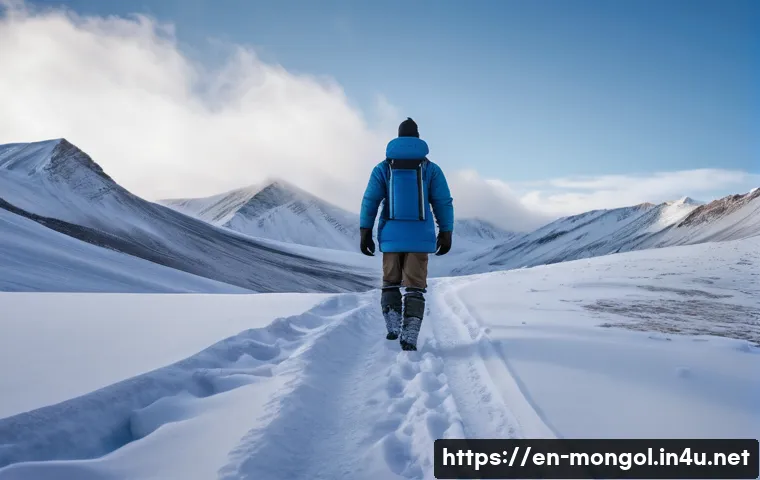
Heading to Mongolia in winter? Get ready to face some of the coldest temperatures you’ve ever experienced. The harsh, dry air combined with biting winds demands more than just your usual winter coat.
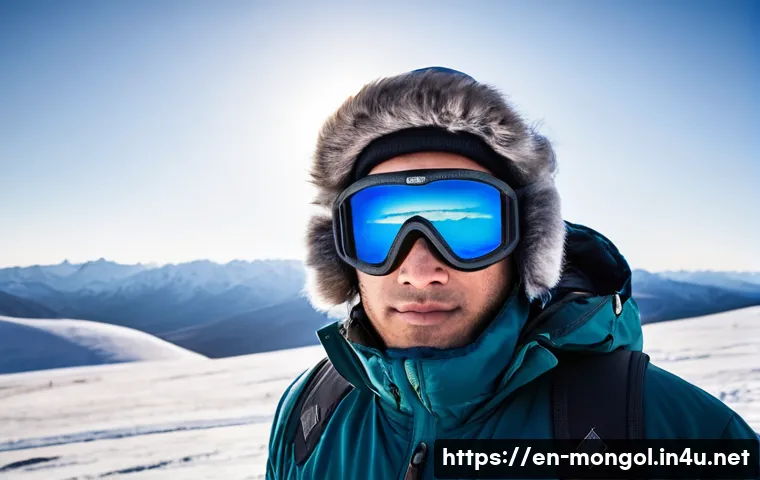
From layering techniques to selecting the right fabrics, preparing your wardrobe is key to staying warm and comfortable. Trust me, I’ve felt the difference between underdressing and properly equipped.
Let’s dive into exactly what you need to pack so your Mongolian winter adventure is both cozy and unforgettable. I’ll make sure you know every essential detail!
Mastering the Art of Layering for Mongolian Winters
Understanding the Three-Layer System
When it comes to surviving Mongolia’s fierce winter chills, layering isn’t just a suggestion — it’s a must. The classic three-layer system consists of a base layer, a mid-layer, and an outer layer, each serving a distinct purpose.
The base layer should fit snugly against your skin, wicking away sweat to keep you dry, which is essential in subzero temperatures. Materials like merino wool or synthetic fabrics work best here.
Next, the mid-layer provides insulation, trapping body heat to keep you warm. Fleece or down jackets excel in this role, but you want something breathable to avoid overheating during physical activity.
Finally, the outer layer acts as your shield against wind, snow, and moisture. Look for waterproof, windproof, and breathable shells — Gore-Tex or similar membranes are ideal.
Personally, I’ve learned that skipping or skimping on any of these layers often leads to discomfort and a cold day that drags on endlessly.
Choosing Fabrics That Actually Work
Not all fabrics are created equal when battling extreme cold. Cotton, for example, is a big no-no because it traps moisture and loses its insulating properties once wet.
Instead, opt for moisture-wicking synthetics or natural fibers like wool that maintain warmth even when damp. I found merino wool to be a game changer — it’s soft, odor-resistant, and surprisingly effective in freezing conditions.
For outerwear, investing in high-quality waterproof breathable fabrics made a huge difference for me. It kept the biting Mongolian winds at bay while allowing sweat to escape, which prevented that clammy feeling that can make you shiver even indoors.
Plus, layering with stretchy, lightweight fabrics helped me move freely, which is a lifesaver when trekking through snow.
How to Adjust Layers Based on Activity Level
One crucial tip I wish I knew earlier is that your layering strategy should adapt to your activity level. When you’re hiking or engaging in physically demanding tasks, your body generates more heat, so you might need fewer or lighter mid-layers.
On the other hand, during downtime or when standing still for extended periods, layering up becomes essential to maintain warmth. I usually start my day with a warm base and mid-layer combo, then shed the mid-layer when walking.
Once I stop, I quickly add an insulated jacket or vest. This flexibility kept me comfortable without overheating or becoming chilled, which is a tricky balance to find, especially with Mongolia’s sharp temperature fluctuations between day and night.
Essential Outerwear: What to Prioritize
The Importance of a Durable Winter Coat
A winter coat is your frontline defense against Mongolia’s brutal cold, and not all coats are cut from the same cloth — literally. Look for a parka or insulated jacket with a robust outer shell that resists tearing and repels water.
Down insulation is fantastic for warmth-to-weight ratio, but synthetic fill can perform better in wet conditions. I personally lean towards coats with adjustable hoods and cuffs to seal out icy drafts.
One winter I underestimated the wind’s force and ended up with frostbite on my ears — lesson learned: a coat with a snug, insulated hood is non-negotiable.
Also, length matters; coats that cover your thighs offer better protection than shorter jackets.
Features That Make a Real Difference
Functional features can elevate your winter coat from good to great. Deep pockets lined with fleece keep your hands warm, while interior pockets are perfect for storing gadgets without exposing them to cold.
Adjustable drawstrings at the hem and waist help trap heat close to your body. Ventilation zippers under the arms are a blessing when you get too warm during physical exertion.
When shopping, I tested many coats by putting my hand inside the pockets and zipping/unzipping vents to see how easy they were to use with gloves on — trust me, those little details matter when the mercury plunges.
Balancing Warmth and Mobility
While it’s tempting to go for the bulkiest coat possible, remember that mobility is key, especially if you plan on exploring snowy terrain or riding horses across the steppe.
I found that layering lighter pieces under a streamlined coat allowed me to stay warm without feeling like I was wearing a sleeping bag. Look for coats with articulated sleeves and flexible fabrics that won’t restrict movement.
I once had a bulky jacket that made bending and climbing a chore, which quickly sapped my energy. Opting for a well-designed, ergonomic coat will keep you both cozy and agile.
Choosing the Right Footwear for Frozen Terrain
Insulation and Waterproofing
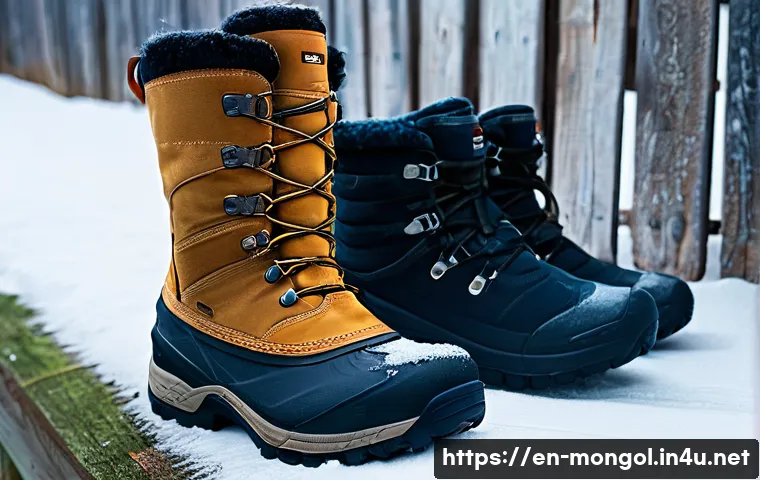
Your feet are often the first to feel the sting of cold, so proper footwear is critical. Boots designed for extreme cold should offer both insulation and waterproofing.
I’ve tested several brands, and those with Thinsulate or similar insulation consistently kept my toes toasty during subzero outings. Waterproof membranes prevent snow and slush from seeping in, which can quickly lead to frostbite or blisters.
Don’t underestimate the value of a high boot shaft — it keeps snow out and adds extra warmth around your ankles.
Traction and Stability on Ice
Mongolian winters aren’t just about cold; icy patches and packed snow make footing precarious. Boots with aggressive, deep treads or even built-in crampon compatibility can save you from slips and falls.
I remember slipping on a patch of ice and twisting my ankle because my boots lacked proper grip. After switching to boots with a rugged outsole, I felt confident trekking across frozen landscapes.
If you plan on doing a lot of walking or hiking, it’s worth investing in footwear that combines insulation with excellent traction.
Balancing Comfort with Durability
While thick, insulated boots are great, they can sometimes feel heavy and cumbersome after hours of wear. I found that boots with cushioned insoles and breathable liners improved comfort significantly.
Durability is equally important since Mongolian terrain can be rough, with sharp rocks hidden under snow. Look for boots with reinforced toes and sturdy soles.
When shopping, try walking around the store in your socks to mimic real conditions — this helped me identify boots that wouldn’t cause blisters or pressure points during long days outside.
Accessories That Complete Your Winter Setup
Headgear That Protects More Than Just Your Head
A warm hat is non-negotiable, but not all hats are equal for Mongolian winters. I swear by insulated, windproof hats that cover my ears and even part of my neck.
Balaclavas or neck gaiters add another layer of protection against biting winds, especially during blizzard-like conditions. One time, without proper headgear, I felt the cold creeping down my neck, which chilled me quickly.
Choose hats made from wool or synthetic fleece for warmth and moisture management.
Gloves and Mittens: Finding the Right Balance
Choosing between gloves and mittens can be tricky. Mittens tend to be warmer because your fingers share heat, but gloves offer better dexterity. I often layer thin, moisture-wicking glove liners under insulated mittens to get the best of both worlds.
This setup allowed me to handle gear and camera equipment without exposing my skin to the cold. Waterproof and windproof materials on the outer layer are essential to prevent numbness and frostbite.
Keep in mind that once your hands get wet, the cold intensifies rapidly, so always carry backup gloves if possible.
Additional Gear to Keep You Comfortable
Don’t forget about thermal socks — wool blends are my go-to for warmth and moisture control. Sunglasses or goggles are also surprisingly important since the sun reflects off snow and ice, causing glare and potential snow blindness.
Hand and foot warmers can be lifesavers during long outdoor excursions, providing extra heat on demand. I always stash a few in my pockets for emergencies.
Lastly, a sturdy backpack with insulated compartments can help keep snacks and electronics safe from freezing temperatures.
Quick Reference: Essential Clothing Items for Mongolian Winter
| Clothing Item | Purpose | Recommended Materials | Key Features |
|---|---|---|---|
| Base Layer | Moisture-wicking and thermal regulation | Merino wool, synthetic blends | Snug fit, breathable |
| Mid Layer | Insulation | Fleece, down, synthetic insulation | Breathable, lightweight |
| Outer Layer | Windproof and waterproof protection | Gore-Tex, nylon, polyester | Adjustable hood, cuffs, ventilation |
| Winter Coat | Primary warmth and weather defense | Down or synthetic insulated shell | Length coverage, adjustable features |
| Boots | Insulation and traction | Insulated with Thinsulate or wool lining | Waterproof, rugged sole, high shaft |
| Hat | Head and ear protection | Wool, fleece, windproof fabric | Ear flaps, neck coverage |
| Gloves/Mittens | Hand warmth and dexterity | Insulated synthetic, wool liners | Waterproof, layered options |
| Socks | Foot insulation and moisture control | Wool blends, synthetic fibers | Cushioned, moisture-wicking |
Practical Tips for Packing and Maintenance
How to Pack Efficiently for Cold Weather
Packing for Mongolia’s winter means balancing warmth with weight — lugging around bulky gear can be exhausting. I recommend rolling clothes tightly and using compression bags to save space.
Pack your heaviest items like boots at the bottom of your bag to maintain balance. Don’t forget to include extra socks and gloves because wet gear can ruin your day.
Layering also helps you pack smarter; choose versatile pieces that can mix and match for different conditions. I always keep my base layers accessible, so I can change quickly if needed.
Care Tips to Extend the Life of Your Winter Gear
Proper care can make your expensive winter clothing last season after season. Wash base and mid-layers according to instructions, usually in cold water with mild detergent.
Avoid fabric softeners as they reduce moisture-wicking properties. For down jackets, using a front-loading washer with tennis balls helps keep the insulation fluffy.
Waterproof shells benefit from occasional reproofing sprays to maintain their water resistance. When drying, avoid high heat which can damage fabrics.
I’ve found that airing out gear after each use prevents odors and mildew, which is crucial when traveling in remote areas.
Dealing With Unexpected Weather Changes
Mongolia’s winter weather can shift rapidly from clear skies to snowstorms, so be prepared to adapt. Carrying a lightweight packable shell is a lifesaver when sudden wind or snow hits.
Having multiple thin layers allows you to add or remove clothing without overheating. I also pack a small emergency blanket and hand warmers, which might sound excessive but have saved me on more than one occasion.
Monitoring weather forecasts daily and planning your outdoor activities around them keeps you safer and more comfortable.
Understanding the Role of Thermal Underwear and Socks
Why Thermal Underwear Is a Game-Changer
Thermal underwear often gets overlooked, but it’s one of the most effective tools to fight off Mongolia’s bone-chilling cold. These garments provide an extra barrier of warmth right next to your skin, trapping heat without bulk.
I’ve tried various brands, and the best ones combine lightweight comfort with excellent breathability. When I wore thermal underwear beneath my regular clothes, I noticed a huge difference in how long I could stay outside without feeling numb or chilled.
Plus, they dry quickly, which is a big plus in freezing weather.
Choosing the Best Thermal Socks for All-Day Comfort
Cold feet can quickly ruin any adventure, so investing in good thermal socks is essential. Wool blends are fantastic because they insulate well and manage moisture, reducing the risk of blisters.
I learned to avoid cotton socks because they hold sweat and lead to cold, soggy feet. Thickness matters, but so does fit — socks that are too tight can restrict circulation and make your feet colder.
I usually carry a few pairs so I can swap them out if they get damp. Layering a thin liner sock under a thicker thermal sock is another trick I use to boost warmth without sacrificing comfort.
Tips for Keeping Your Feet Dry and Warm
Wet feet are the enemy in freezing temperatures, so keeping them dry is a priority. Besides waterproof boots, using foot powders and moisture-wicking liners helps manage sweat.
Changing socks regularly if you’re active outdoors is critical, as is airing out your boots overnight. In extreme cold, I’ve even resorted to using chemical warmers inside my boots — a bit of an emergency tactic but it definitely helped when temperatures dropped unexpectedly.
Don’t underestimate the power of good foot care; warm, dry feet keep your whole body comfortable.
Wrapping It Up
Mastering layering and selecting the right winter gear is essential to comfortably endure Mongolia’s harsh winters. Each layer plays a vital role, and choosing appropriate materials and features can make all the difference. With the right approach, you can stay warm, mobile, and safe even in extreme cold. Trust me, investing time in understanding these essentials pays off in lasting comfort and protection.
Handy Tips to Keep in Mind
1. Always prioritize moisture-wicking base layers to stay dry and prevent chills.
2. Adjust your layers based on activity to avoid overheating or getting too cold.
3. Invest in durable, waterproof outerwear with adjustable features for better protection.
4. Choose insulated, waterproof boots with solid traction to handle icy terrain safely.
5. Don’t overlook accessories like hats, gloves, and thermal socks—they complete your cold-weather defense.
Key Takeaways for Winter Success
Proper layering is your best defense against extreme cold—starting with a snug, moisture-managing base and ending with a breathable, protective shell. Fabric choice matters: avoid cotton and opt for wool or technical synthetics that keep you warm even when damp. Footwear should balance insulation, waterproofing, and grip to prevent injuries on slippery surfaces. Remember, mobility is just as important as warmth, so pick gear that lets you move freely. Lastly, regular care and smart packing of your winter gear extend its performance and reliability, ensuring you’re ready for Mongolia’s unpredictable weather.
Frequently Asked Questions (FAQ) 📖
Q: What are the best clothing layers to wear for a Mongolian winter trip?
A: For Mongolia’s brutally cold winter, layering is everything. Start with a moisture-wicking base layer to keep sweat off your skin—merino wool or synthetic fabrics work great.
Next, add an insulating mid-layer like a fleece or down jacket to trap warmth. Finally, top it off with a windproof and waterproof outer shell to protect against biting winds and dry air.
I’ve learned firsthand that skipping any of these layers can leave you shivering, so don’t skimp here.
Q: Which fabrics should I avoid when packing for the cold Mongolian winter?
A: Avoid cotton at all costs. It traps moisture and loses insulating properties when wet, which can be dangerous in freezing temperatures. Instead, focus on wool, fleece, and technical synthetics designed for cold weather.
These fabrics maintain warmth even if you sweat or get caught in a snowstorm. From my experience, wearing cotton in Mongolia felt like a recipe for misery.
Q: How can I protect my extremities from the intense cold and wind?
A: Extremities are the first to feel the cold, so you’ll want insulated gloves or mittens, thermal socks, and a good quality hat that covers your ears. A scarf or neck gaiter is also essential to shield your face from the harsh winds.
I’ve found that layering gloves—like a thin liner under a thick insulated pair—gives you the flexibility and warmth you need for outdoor activities. Don’t underestimate the power of good winter boots with insulation and waterproofing either!