As the world grows more connected, uncovering unique cultural traditions becomes an exciting journey for curious minds. Mongolian traditional games offer a fascinating glimpse into a heritage that has thrived for centuries, blending skill, strength, and community spirit.
With recent festivals and events bringing these ancient pastimes into the spotlight, now is the perfect time to explore how these games continue to shape Mongolian identity today.
Whether you’re a history buff or simply love discovering new cultures, diving into these thrilling activities promises both entertainment and insight.
Join me as we step into the vibrant world of Mongolia’s traditional games and uncover what makes them truly unforgettable.
Endurance and Agility: The Backbone of Traditional Play
The Test of Horseback Mastery
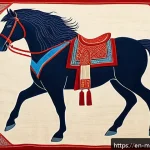
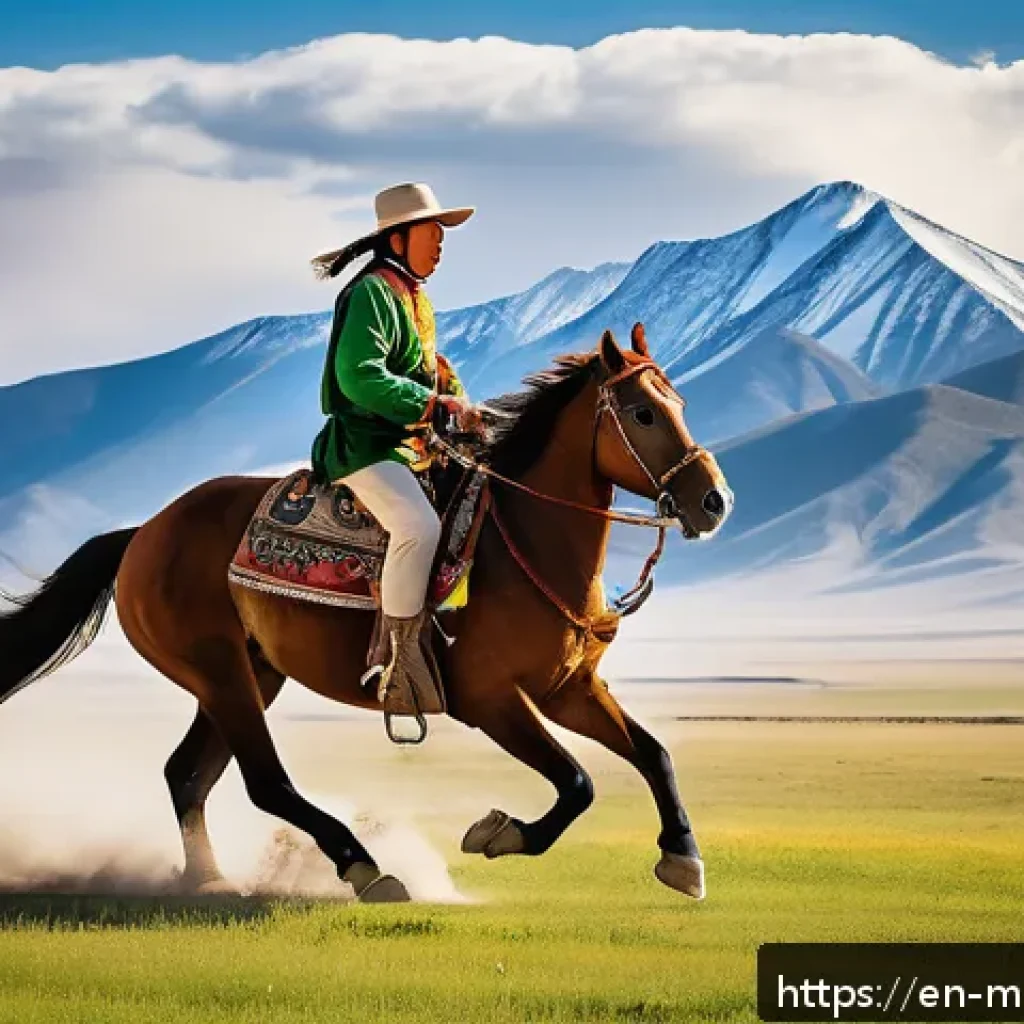
Horseback riding in Mongolia isn’t just a pastime; it’s a lifeline woven into the very fabric of nomadic life. Watching riders maneuver their horses across vast steppes with breathtaking speed and precision is nothing short of mesmerizing.
These games push participants to their limits, demanding not only physical endurance but also a deep bond with their animal partners. What strikes me most is how even young children begin riding early, developing an instinctual grace that feels almost innate.
This mastery is a testament to centuries of tradition, where survival and sport intertwine seamlessly. The thrill of galloping at full tilt while navigating obstacles isn’t just for show—it’s a skill honed over a lifetime, celebrated in festivals and competitions that echo the spirit of Mongolia’s past.
Strength and Strategy in Wrestling
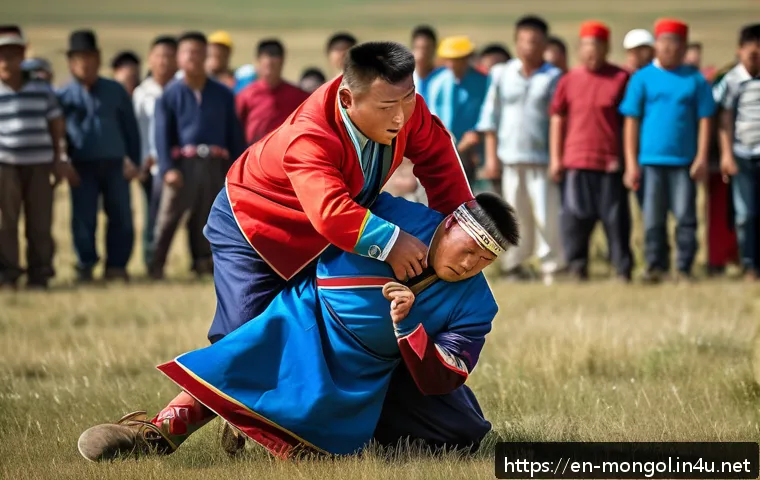
Mongolian wrestling, or Bökh, stands out as a cultural cornerstone, blending raw power with tactical thinking. Unlike many wrestling forms, there are no weight classes, making each bout a true test of skill and determination.
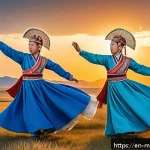
What I found fascinating during a recent festival was the ceremonial aspect—wrestlers perform eagle dances and don traditional costumes that add a layer of respect and ritual to the sport.
Beyond the physical, the mental game is intense, with each wrestler sizing up opponents and adjusting tactics in real-time. The community’s enthusiasm for Bökh is palpable, with cheers echoing across open fields, fueling competitors to push beyond their limits.
It’s not just a fight; it’s a celebration of resilience, discipline, and cultural pride.
Precision and Patience in Archery
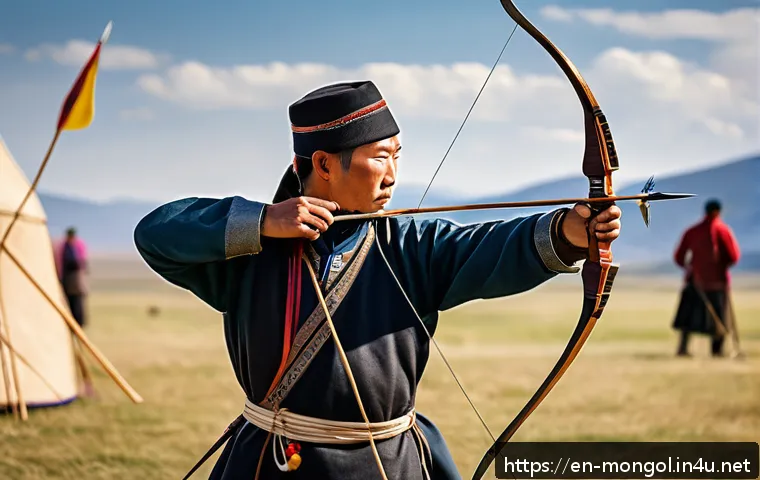
Archery in Mongolia isn’t merely about hitting a target; it’s an art form steeped in history and tradition. Watching archers take their stance, breathing steadily before releasing arrows with pinpoint accuracy, is a lesson in focus and calm under pressure.
The traditional bows, handcrafted from wood and sinew, require a delicate balance of strength and finesse. I’ve personally tried my hand at this during a local event, and the challenge of aligning body, mind, and equipment was humbling.
What makes archery so captivating is its communal nature—competitors and spectators alike share in the tension and triumph, reinforcing bonds that extend far beyond the competition field.
Games That Bring Communities Together
Team Spirit in Ankle Bone Shooting
Ankle bone shooting is a delightful game that combines luck, skill, and social interaction. Played with sheep ankle bones, this game often sparks laughter and friendly rivalry among participants of all ages.
What makes it special is how it bridges generations, with elders teaching youngsters the nuances of bone spinning and strategy. At festivals, it’s common to see families huddled together, cheering each other on, creating an atmosphere of warmth and camaraderie.
The simplicity of the game belies its cultural significance—it’s a playful reminder of shared heritage and the joy found in community gatherings.
The Thrill of Tug-of-War
Tug-of-war in Mongolia transcends mere physical contest; it’s a vibrant display of unity and collective strength. Teams, often representing different clans or communities, pull with determination, their synchronized efforts echoing the importance of cooperation in nomadic life.
What stood out to me during a recent event was the palpable energy—each pull accompanied by rhythmic chants and cheers that uplift spirits and deepen connections.
This game is a powerful metaphor for the balance between individual effort and group harmony, embodying values that resonate deeply within Mongolian society.
Cultural Significance of Traditional Games
Traditional games in Mongolia aren’t just for entertainment—they’re vital carriers of history and identity. Each game tells a story, whether it’s about survival skills passed down through generations or celebrations of seasonal cycles.
What I’ve observed is how these activities foster a sense of belonging, reinforcing cultural pride amid a rapidly changing world. Festivals showcasing these games become living classrooms, where young and old alike connect with their roots.
The vibrancy and resilience of these traditions highlight a collective commitment to preserving a unique way of life, making every game more than just a pastime—it’s a living heritage.
Key Features of Popular Traditional Games
| Game | Core Skills | Equipment | Community Role |
|---|---|---|---|
| Horseback Racing | Endurance, balance, speed | Horse, traditional saddle | Showcases horsemanship, cultural pride |
| Mongolian Wrestling (Bökh) | Strength, strategy, agility | Traditional wrestling attire | Symbolizes resilience, community respect |
| Archery | Focus, precision, patience | Wooden bow, arrows | Preserves historical skills, ceremonial importance |
| Ankle Bone Shooting | Dexterity, luck, social interaction | Sheep ankle bones | Fosters intergenerational bonding |
| Tug-of-War | Strength, teamwork | Rope | Encourages unity, clan competition |
Modern Revivals and Global Interest
Festivals Breathing New Life into Old Traditions
In recent years, Mongolia has seen a resurgence of interest in traditional games, fueled by vibrant festivals that attract both locals and tourists. These events are more than just competitions—they’re cultural celebrations that spotlight Mongolia’s rich heritage.
From my personal experience attending the Naadam Festival, the energy is electrifying; the entire community comes alive with music, dance, and, of course, thrilling games.
This modern revival helps preserve these traditions while introducing them to a global audience, creating opportunities for cultural exchange and economic growth through tourism.
Global Enthusiasm and Cultural Exchange
It’s fascinating to see how Mongolia’s traditional games have captured international attention. Archery and wrestling clubs outside of Mongolia now incorporate Mongolian styles, and horseback riding enthusiasts worldwide admire the unique techniques developed on the steppes.
I’ve met travelers who plan their trips around these festivals, eager to witness the authentic experience firsthand. This growing global enthusiasm not only boosts Mongolia’s cultural visibility but also encourages dialogue and mutual appreciation across borders, enriching the global tapestry of traditional sports.
Challenges and Opportunities in Preservation
Despite this renewed interest, preserving traditional games faces challenges such as urbanization and changing lifestyles. However, initiatives led by local communities and government programs aim to keep these practices alive by integrating them into school curriculums and community centers.
From what I’ve observed, these efforts are crucial for maintaining the cultural fabric amid modernization. Moreover, the digital age offers new platforms to share and promote these games, making it easier for younger generations to connect with their heritage in innovative ways.
Health Benefits Hidden in Heritage Sports
Physical Conditioning through Play
Engaging in traditional Mongolian games is an excellent way to build physical strength and stamina. Horseback riding, for instance, requires core stability and balance that rivals many modern fitness routines.
Wrestling builds muscular endurance and flexibility, while archery enhances upper body strength and coordination. From my own attempts at these activities, I can attest to the full-body workout they provide, wrapped in the excitement of cultural immersion.
These games offer a refreshing alternative to gym workouts, combining fitness with fun and tradition.
Mental Resilience and Focus
Beyond physical benefits, these traditional games cultivate mental toughness and focus. Archery demands calm concentration, while wrestling and horseback racing require quick decision-making under pressure.
Participating in or even just watching these games can sharpen one’s ability to stay present and manage stress. I’ve noticed how players often enter a meditative state, fully attuned to their movements and surroundings.
This blend of mind and body training is a timeless recipe for resilience that modern sports science increasingly recognizes.
Social Well-being and Cultural Identity
Traditional games are powerful tools for strengthening social bonds and cultural identity. They bring communities together, foster intergenerational connections, and create shared memories.
In a world where digital distractions are prevalent, these physical and social activities offer meaningful human interaction. My experiences attending these events have shown me how participants and spectators alike feel a deep sense of belonging and pride.
This social dimension is perhaps the most enduring benefit, nurturing a collective spirit that supports mental health and cultural continuity.
Adapting Tradition for Future Generations
Incorporating Technology Without Losing Essence
One of the most exciting developments is how technology is being used to preserve and promote traditional Mongolian games. Digital archives, virtual reality experiences, and online tutorials make these ancient pastimes accessible to a global audience.
From what I’ve seen, this approach respects the core values of the games while adapting to modern interests. It’s inspiring to witness elders teaching youth through interactive media, ensuring the traditions don’t fade away but evolve in harmony with contemporary life.
Educational Programs and Youth Engagement
Schools and cultural centers are increasingly integrating traditional games into their programs, recognizing their value beyond mere entertainment. These initiatives help young Mongolians connect with their heritage in a hands-on way, fostering pride and continuity.
I had the chance to speak with educators who emphasize how these games teach discipline, respect, and community values—lessons that transcend sports. By engaging youth early, these programs build a foundation for lifelong appreciation and participation.
Balancing Tradition and Modern Competition
While traditional games retain their cultural significance, there’s also a growing competitive aspect that aligns with global sports trends. Professional leagues and international tournaments are emerging, offering new platforms for athletes to showcase their skills.
From my perspective, this balance is crucial: it keeps the spirit of the games alive while providing pathways for economic opportunity and personal achievement.
The challenge lies in preserving authenticity while embracing innovation—a dynamic that Mongolian communities are navigating with thoughtful care.
In Conclusion
The traditional games of Mongolia offer more than just entertainment—they are living expressions of culture, endurance, and community. Experiencing these games reveals a deep connection between people, history, and nature that continues to thrive today. Their revival and adaptation ensure these rich traditions remain vibrant for future generations to cherish and celebrate.
Useful Information to Know
1. Traditional Mongolian games are deeply tied to nomadic lifestyle skills such as horseback riding, wrestling, and archery, reflecting survival and cultural values.
2. Many of these games emphasize not only physical strength but also mental focus, strategy, and social bonding within communities.
3. Festivals like the Naadam Festival play a key role in preserving and showcasing these games, attracting both locals and international visitors.
4. Modern technology and educational programs are increasingly used to engage younger generations and promote these traditions worldwide.
5. Balancing cultural authenticity with growing competitive and commercial opportunities presents both challenges and exciting possibilities for traditional sports.
Summary of Key Points
Traditional Mongolian games serve as a vital link to cultural identity, blending physical prowess with community spirit. Their ongoing preservation depends on active participation, education, and thoughtful modernization. These games not only build health and resilience but also foster unity and pride, making them invaluable assets in today’s fast-changing world.
Frequently Asked Questions (FAQ) 📖
Q: uestions about Mongolian Traditional GamesQ1: What are some of the most popular traditional games played in Mongolia?
A: Among the most celebrated Mongolian traditional games are Naadam’s “Three Manly Games”: wrestling (Bökh), horse racing, and archery. These games are deeply embedded in Mongolian culture, symbolizing strength, endurance, and precision.
Wrestling matches showcase incredible skill and stamina, horse racing tests riders’ speed and connection with their animals over long distances, and archery challenges players’ focus and accuracy.
Each game reflects centuries-old customs and continues to be a source of pride and community bonding.
Q: How do these traditional games influence Mongolian identity today?
A: These games are more than just competitions; they serve as living expressions of Mongolia’s nomadic heritage and values like bravery, respect, and teamwork.
Participating in or witnessing these games fosters a strong sense of national pride and cultural continuity, especially during festivals like Naadam, which brings communities together across generations.
For many Mongolians, these activities are a powerful reminder of their history and resilience, helping to maintain a vibrant cultural identity in a rapidly modernizing world.
Q: Can visitors participate in Mongolian traditional games, and how can they experience them authentically?
A: Absolutely! Many festivals and events encourage visitors to watch and sometimes try their hand at these traditional games. For example, during Naadam, tourists can attend competitions and even join beginner-friendly archery sessions or horse-riding tours led by local guides.
To experience these games authentically, it’s best to connect with local communities or cultural centers that offer immersive experiences, allowing you to appreciate not just the sport but the stories and traditions behind them.
From my own travels, engaging directly with locals during these events adds a whole new layer of meaning and enjoyment.