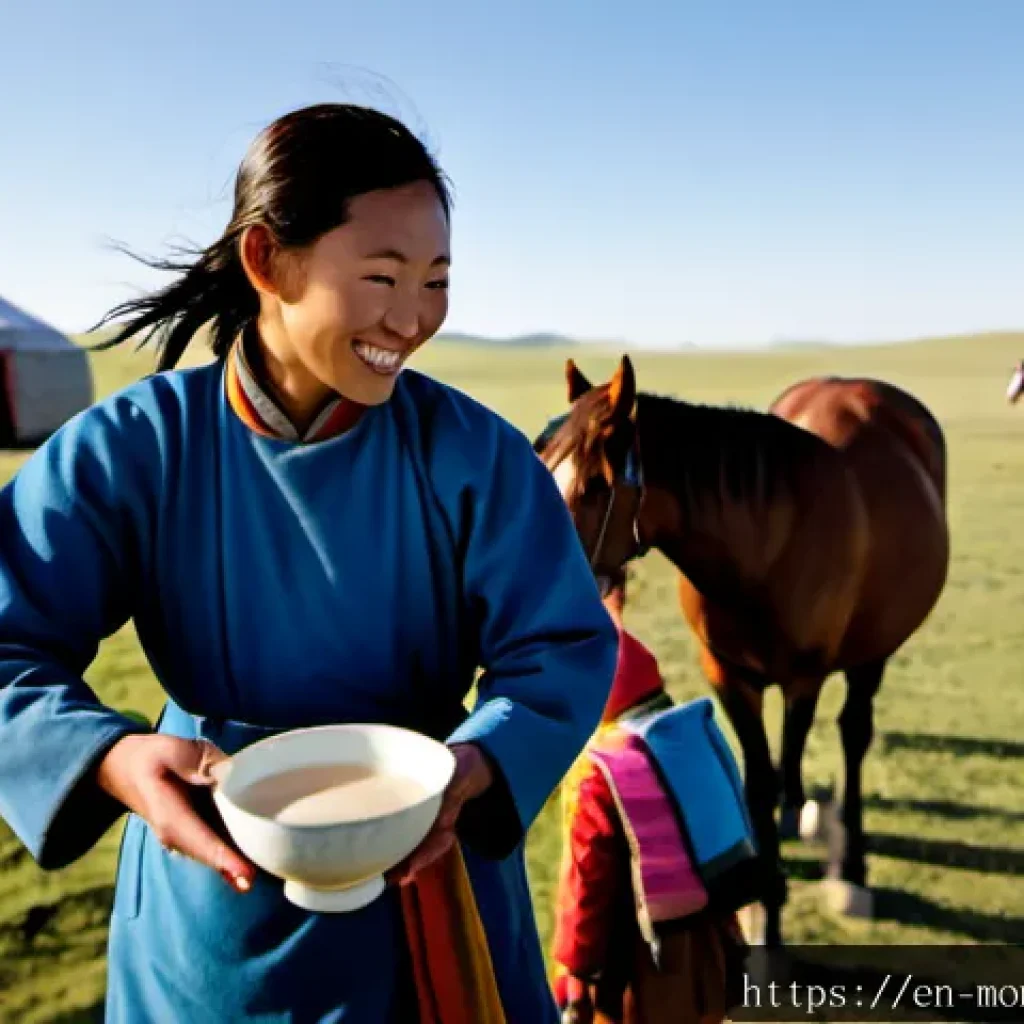
The best way to meet Mongolian nomadic families is through a trusted local connection and with a guest’s mindset. Ask for permission, follow the household’s lead, and treat hospitality as a personal kindness rather than part of a travel display.
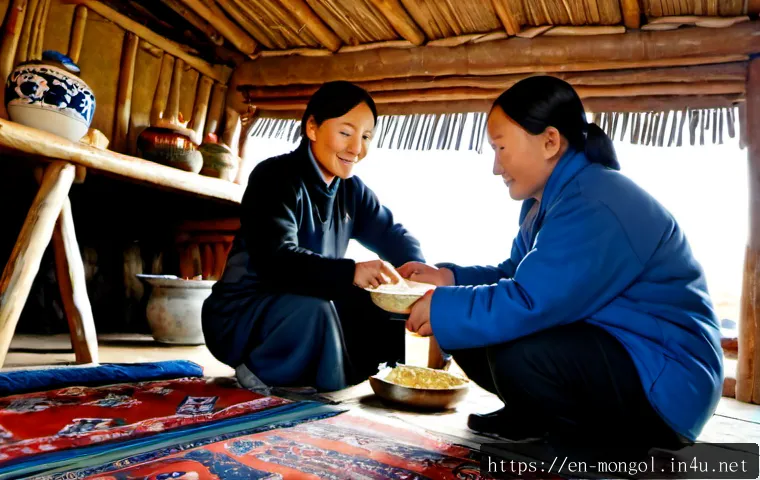
A ger is a traditional portable home, and a visit may involve everyday work, family time, animals, and shared food. Customs can differ between families, regions, seasons, and the reason for your visit, so there is no single script that fits every camp.
Patience, humility, and clear communication will usually matter more than trying to memorize a fixed list of rules.
Prepare for a Visit Through a Trusted Local Connection
A respectful visit often starts well before you arrive. Work through a local guide, host, or organization that already has relationships in the community. This helps avoid turning up at a household that may not welcome unplanned visitors, and it gives the family a fair chance to decide whether a visit works for them.
Choose guides and hosts who have existing community relationships
A local connection can explain the purpose of your visit, introduce you properly, and help you understand what the family is comfortable sharing. It can also reduce misunderstandings around timing, privacy, and communication. Do not assume that every herding family wants visitors simply because nomadic life is of interest to travelers.
Clarify transport, accommodation, food, and consent before arrival
Discuss practical details in advance through your local contact. Ask whether transport, an overnight stay, meals, or horse-related activities are available and appropriate; these points depend on the individual arrangement. If you have dietary needs, communicate them politely where possible. It is also worth confirming that the family has agreed to the visit, rather than treating access to their home as automatic.
Arrive as a Guest, Not a Spectator
Once you arrive, let your host set the pace. A nomadic household is not a staged attraction: it is a home and a working environment. Pay attention to what people are doing, wait when routines need attention, and keep your expectations flexible.
Ask permission before entering the family’s home or approaching animals
Before entering a ger, pause and ask your host or guide what to do. Individual households may have their own preferences for entering, where guests sit, and how shared spaces are used. The same applies to livestock. Do not approach, touch, feed, or interrupt animals without clear permission, especially when family members are busy with their care.
Follow your host’s lead on greetings, seating, and shared meals
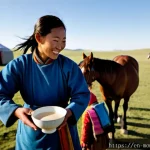
Watch and follow the lead of the people welcoming you. If tea, food, or dairy products are offered, receive the gesture graciously. If you cannot eat or drink something, explain your need politely rather than reacting dismissively. Specific expectations around greetings, seating, and eating can vary, so local guidance is more useful than assumptions.
| Situation | Respectful approach |
|---|---|
| Entering a ger | Wait for an invitation and follow the host’s directions. |
| Shared food or tea | Accept graciously when possible; explain dietary needs politely. |
| Animals and daily work | Keep your distance until invited to come closer or participate. |
| Photos or video | Ask before recording people, homes, animals, or routines. |
Communicate Across Language and Cultural Differences
Not every family will share your language, and an interpreter may not always be available. Speak simply, avoid rushing, and allow room for pauses or gestures. A warm, patient manner is usually more helpful than trying to force a long conversation.
Use simple language, patient gestures, and an interpreter when available
If your guide can interpret, speak in short, clear thoughts so your meaning is easier to convey. Avoid jokes, slang, or complicated explanations that may not travel well across languages. When no interpreter is present, do not treat limited conversation as a problem to solve; respectful quiet can be part of a comfortable visit.
Ask respectful questions about herding life without demanding personal details
Questions about daily routines, animals, seasonal work, or the practical side of life can show genuine interest. At the same time, avoid pressing for personal information, family finances, or subjects people do not volunteer. Let the family decide what they would like to share, and accept a brief answer without pushing for more.
Handle Photos, Gifts, and Money Thoughtfully
Photography, gifts, and payment can be sensitive because they affect privacy and the tone of the visit. The simplest approach is to discuss these matters in advance through the person arranging your visit. Never assume that a camera, a present, or cash is automatically welcome.
Request consent before photographing people, homes, or work routines
Ask before taking photos of family members, their ger, livestock, or daily tasks. A photo that seems ordinary to a visitor may feel intrusive to the people being photographed. Consent should be specific and ongoing: permission for one image does not necessarily mean permission to record everything around you.
Avoid assuming gifts or cash are expected

Do not arrive with the idea that every household expects a gift or payment. Whether a visiting fee, contribution, or gift is suitable depends on the arrangement and should be clarified through a local host or guide. This keeps the exchange transparent and prevents an awkward situation for either the family or the visitor.
Leave a Positive and Low-Impact Impression
A considerate departure is part of a considerate visit. Be aware that the household’s routines, land, water, and livestock are not separate from daily life; they are part of the setting that makes the visit possible. Keep your presence light and avoid creating extra work for your hosts.
Respect livestock, water, land, and household routines
Stay where you are invited to stay, avoid disrupting animals, and do not treat the surrounding land as a backdrop for activities without permission. Be especially mindful of water use and household routines. If plans change because of work, weather, family needs, or other circumstances, accept that change with good grace.
Thank hosts through the arrangement agreed with your local contact
Offer thanks directly and sincerely, then follow the agreed arrangement for any payment or further acknowledgment. Your local contact can help ensure that gratitude is expressed in a way that suits the visit. Leaving on time and respecting the family’s next task can be as meaningful as any formal farewell.
In Closing
Meeting Mongolian nomadic families can be meaningful when the visit is based on consent and mutual respect. The goal is not to collect a perfect cultural experience, but to be welcomed appropriately into someone else’s everyday world. Let local guidance shape your behavior, remain flexible, and remember that each household sets its own boundaries. A calm, attentive guest is more likely to leave a positive impression.
Useful Things to Know
1. Arrange visits through a trusted local connection whenever possible.
2. Ask before entering a ger, approaching livestock, taking photos, or joining an activity.
3. Communicate dietary needs and practical expectations before arrival where possible.
4. Discuss gifts, payment, overnight stays, and activities rather than making assumptions.
5. Follow the household’s pace and respect privacy throughout the visit.
Key Points to Remember
Every nomadic household may have different preferences. Seek consent, listen to your host or guide, accept hospitality with courtesy, and avoid treating family life as a tourist performance. When uncertain, pause and ask instead of guessing.
Frequently Asked Questions
Q1. Can tourists visit Mongolian nomadic families without a guide?
A1. It may be possible in some circumstances, but whether a household welcomes an unplanned visitor depends on the family and the situation. A trusted local guide or host can help confirm consent, communicate clearly, and arrange a visit that is appropriate for everyone.
Q2. What should I do when entering a Mongolian ger?
A2. Wait for permission and follow the host’s or guide’s instructions. Specific preferences for entering, seating, and behavior inside can vary by household, so it is better to observe and ask than to rely on a fixed rule.
Q3. Is it polite to take photos of Mongolian nomads and their animals?
A3. Ask first. Request permission before photographing people, homes, livestock, or work routines, and respect a refusal without argument. If a local host or guide is present, they can help discuss consent clearly.