Mongolian contemporary art is a fascinating blend of tradition and modernity, reflecting the country’s rich nomadic heritage alongside global artistic trends.
Artists often explore themes such as identity, nature, spirituality, and social change, creating works that resonate both locally and internationally.
The dynamic art scene in Mongolia is rapidly evolving, fueled by younger generations eager to express their perspectives in innovative ways. From bold paintings to experimental installations, Mongolian artists challenge conventional boundaries while honoring their cultural roots.
This unique fusion offers fresh insights into Mongolia’s past and future through creative expression. Let’s dive deeper and explore these captivating themes in detail!
Reimagining Tradition Through Contemporary Eyes
Blending Nomadic Symbols with Modern Aesthetics
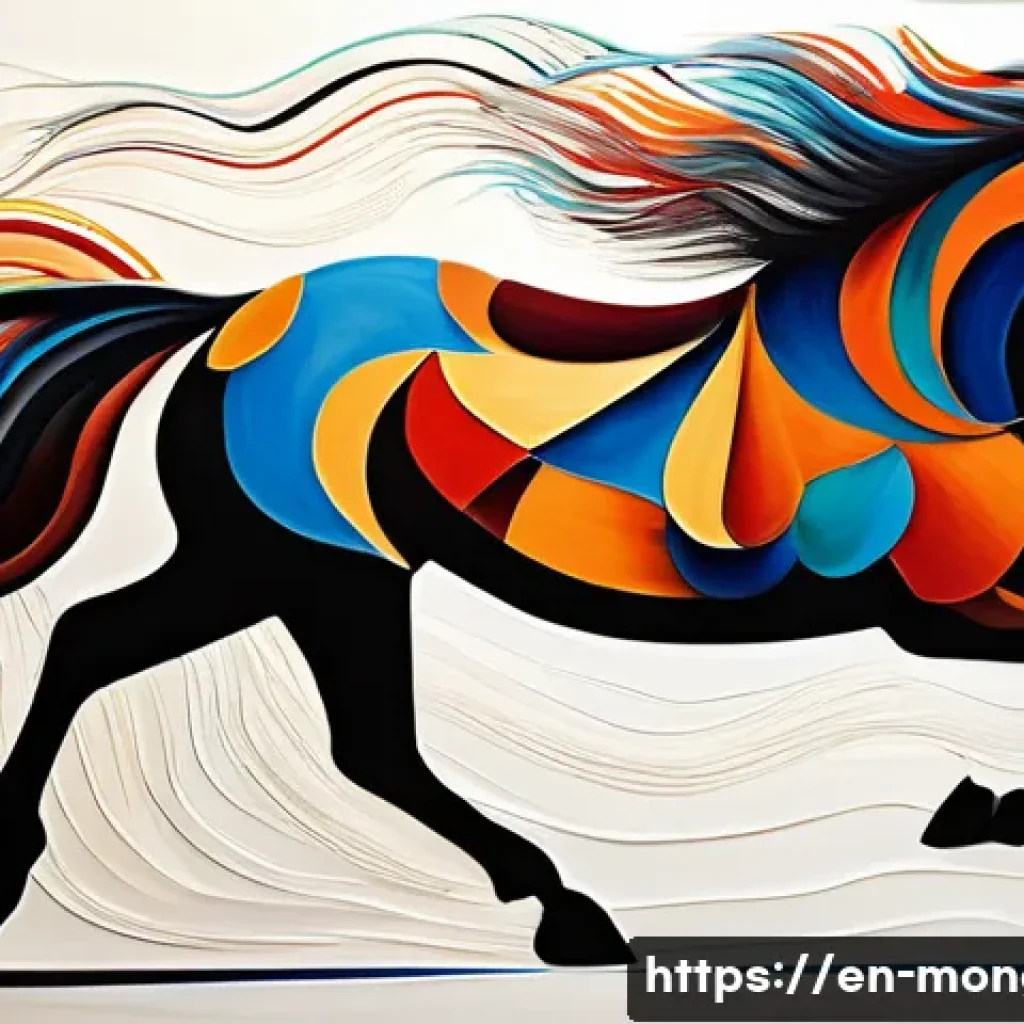
One of the most intriguing aspects of Mongolian contemporary art is how artists reinterpret ancient nomadic symbols and motifs. Instead of simply replicating traditional patterns, they infuse these elements with fresh colors, abstract forms, and experimental techniques.
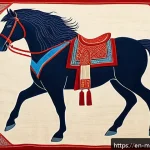
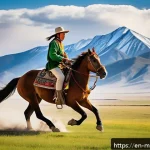
For example, the iconic horse, central to Mongolian identity, often appears in dynamic compositions that challenge classic portrayals, reflecting movement, freedom, and transformation.
This approach creates a dialogue between Mongolia’s rich heritage and the evolving global art scene, inviting viewers to reconsider what tradition means today.
Artists often share that this fusion allows them to honor their roots while pushing creative boundaries, making their work resonate on a deeply personal level.
Material Innovation Rooted in Nature
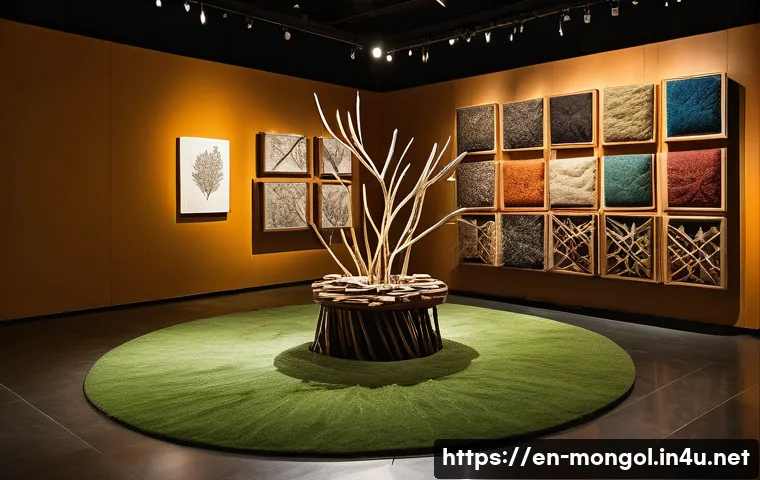
Many contemporary Mongolian artists draw inspiration from the natural environment, incorporating unconventional materials sourced from the steppe. Felt, traditionally used in yurts, is reimagined in mixed-media pieces, while horsehair and leather find new life in sculptures and installations.
This choice of materials not only strengthens the connection to nomadic culture but also challenges the boundaries of fine art. I’ve noticed that when visiting studios or exhibitions in Ulaanbaatar, artists speak passionately about using these materials to evoke sensory memories and to highlight sustainability.
It’s a way to keep nature at the heart of their work, reminding audiences of Mongolia’s vast landscapes amid urbanization and globalization.
Spirituality and Symbolism in Visual Language
Spiritual themes permeate much of Mongolian contemporary art, deeply influenced by shamanism and Tibetan Buddhism. Artists often explore the metaphysical realm, using symbols like the eternal knot, the lotus, or the sky to convey ideas of rebirth, enlightenment, and connection to the universe.
These motifs are not merely decorative but carry profound meaning, inviting introspection and dialogue. What’s fascinating is how artists blend these spiritual elements with modern styles such as surrealism or minimalism, resulting in works that feel both ancient and avant-garde.
Personally, I find this blend compelling because it provides a window into Mongolia’s soul while engaging with universal questions about existence.
Voices of a Changing Society
Social Commentary and Urban Narratives
Mongolian contemporary artists are increasingly addressing rapid social changes, especially the shift from rural nomadic life to urban living. Through their art, they comment on issues like migration, identity crises, and the clash between tradition and modernization.
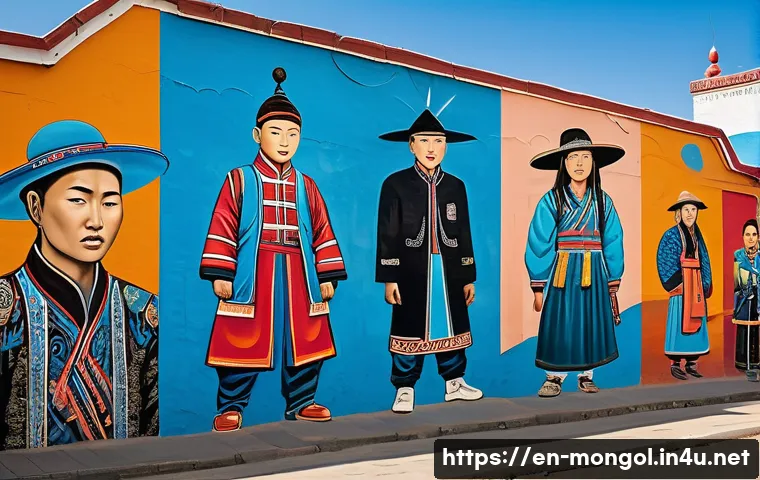
Graffiti, street art, and multimedia installations have become popular mediums to capture the pulse of Ulaanbaatar’s youth culture. In conversations with emerging artists, I’ve heard how they use irony, humor, and sometimes stark realism to critique social inequalities and environmental concerns.
This raw and honest expression helps bridge the gap between Mongolia’s past and the realities of its present.
Empowerment Through Female Perspectives
The rise of female artists in Mongolia’s contemporary scene is a powerful trend, bringing fresh viewpoints and challenging patriarchal norms. Women artists often explore themes of gender, family, and personal freedom, using their work as a platform for empowerment.
Their art ranges from intimate portraits to bold, large-scale works that confront societal expectations head-on. From my experience attending gallery openings, it’s clear that these voices are reshaping the art community, inspiring dialogue and creating spaces where diverse experiences are celebrated.
This shift not only diversifies Mongolia’s artistic landscape but also reflects broader global movements advocating for gender equality.
Youthful Innovation and Global Connections
The younger generation of Mongolian artists is notably tech-savvy and globally connected, blending local traditions with international influences. Digital art, video installations, and virtual reality projects are becoming more common, reflecting the artists’ desire to experiment and reach wider audiences.
Many have studied abroad or collaborate with artists worldwide, infusing their work with cross-cultural perspectives. When I spoke with some of these creators, they emphasized the importance of maintaining a Mongolian identity while engaging with contemporary global dialogues.
Their work illustrates how Mongolia’s art scene is not isolated but actively participating in the worldwide artistic community.
Environmental Consciousness and Artistic Expression
Art as Advocacy for the Steppe
Environmental themes are increasingly prominent in Mongolian contemporary art, reflecting growing concerns over climate change and resource exploitation.
Artists use their platforms to raise awareness about desertification, water scarcity, and the fragile balance of the steppe ecosystem. Installations made from recycled materials or land art that interacts directly with nature are common ways to highlight these issues.
In visiting exhibitions, I’ve seen how these works evoke emotional responses, encouraging viewers to consider their role in protecting the environment.
This trend shows a deepening sense of responsibility within the art community toward Mongolia’s unique natural heritage.
Traditional Ecological Knowledge in Modern Contexts
Many artists incorporate traditional ecological knowledge passed down through generations into their creative processes. This includes using natural dyes, respecting seasonal cycles, and emphasizing harmony with nature.
These practices are not only sustainable but also act as cultural preservation. I was particularly impressed by a collective that combines scientific research with artistic exploration to document Mongolia’s changing landscapes.
Their projects blend data visualization with poetic imagery, making environmental issues accessible and engaging. This fusion of science and art exemplifies how contemporary creators are innovating while honoring ancestral wisdom.
Experimental Forms and Boundary-Pushing Practices
Interdisciplinary Collaborations
Mongolian contemporary artists often collaborate across disciplines, merging visual art with performance, music, and literature. These interdisciplinary projects create immersive experiences that challenge conventional art presentation.
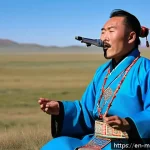
For example, some exhibitions incorporate live traditional throat singing alongside video art, creating a sensory fusion that captivates audiences. From attending a few of these events, I noticed how such collaborations foster community and dialogue, breaking down barriers between artists and spectators.
This approach reflects a vibrant, evolving art scene eager to explore new possibilities beyond static mediums.
Embracing Technology and New Media
Technology plays an increasingly vital role in Mongolian contemporary art, with artists embracing digital tools to push creative limits. VR exhibitions, augmented reality apps, and interactive installations invite viewers to engage with art in novel ways.
These technologies help bridge geographic and cultural distances, allowing Mongolian artists to reach global audiences effectively. From my perspective, this fusion of tradition and technology not only modernizes artistic expression but also ensures that Mongolia’s stories are told innovatively.
It’s exciting to witness how these tools expand the boundaries of what art can be in a rapidly changing world.
Challenging Identity Through Conceptual Art
Conceptual art has gained traction among Mongolian creators who use it to question identity, history, and cultural narratives. Through symbolic gestures, text-based works, and provocative installations, these artists invite critical reflection.
For example, some projects critique the romanticization of nomadic life or explore the complexities of post-Soviet identity. Experiencing these works firsthand, I found them intellectually stimulating and emotionally resonant, highlighting the tension between collective memory and personal experience.
This conceptual approach demonstrates the maturity and depth of Mongolia’s contemporary art discourse.
Market Dynamics and International Recognition
Growth of Art Galleries and Festivals
The expansion of art galleries and festivals in Ulaanbaatar and beyond has significantly boosted Mongolia’s contemporary art visibility. New spaces dedicated to contemporary works provide platforms for emerging artists and attract collectors and tourists.
Annual events like the Mongolia Art Festival showcase diverse talents and foster international exchanges. Having attended several openings, I observed a growing sophistication in curation and public engagement.
These developments suggest a maturing art market eager to connect Mongolian creativity with global collectors and institutions.
Challenges and Opportunities in Art Commercialization
While the art market is growing, Mongolian artists face challenges related to infrastructure, funding, and international exposure. Many rely on grants, residencies, or online platforms to sustain their practice.
However, the digital age offers unprecedented opportunities to sell and promote art globally. Artists often share that balancing commercial viability with artistic integrity is a delicate act.
From conversations with artists and gallery owners, it’s clear that building sustainable careers requires adaptability, networking, and strategic marketing.
This evolving ecosystem reflects Mongolia’s broader economic transformations and cultural ambitions.
Key Players and Influencers Shaping the Scene
Certain artists, curators, and collectors have become influential in shaping Mongolia’s contemporary art trajectory. Their efforts in mentorship, exhibition organization, and international collaboration have been crucial in raising standards and visibility.
I’ve met several of these figures who emphasize community-building and education as pillars for long-term success. Their leadership helps create a supportive environment where innovation flourishes and cultural heritage is respected.
This dynamic network positions Mongolia as a rising star on the global contemporary art map.
| Theme | Typical Mediums | Key Motifs | Representative Techniques | Social Impact |
|---|---|---|---|---|
| Tradition & Modernity | Painting, Sculpture, Mixed Media | Horses, Felt, Nomadic Patterns | Abstract Forms, Material Experimentation | Cultural Preservation, Identity Exploration |
| Spirituality | Installation, Digital Art | Shamanic Symbols, Buddhist Imagery | Symbolism, Surrealism | Metaphysical Reflection, Universal Themes |
| Social Change | Street Art, Video, Performance | Urban Life, Gender, Migration | Realism, Irony, Multimedia | Awareness, Empowerment |
| Environment | Land Art, Eco-Materials | Steppe, Natural Cycles | Recycled Materials, Data Visualization | Advocacy, Sustainability |
| Innovation | VR, Interactive Installations | Identity, Technology | Digital Tools, Interdisciplinary | Global Engagement, Conceptual Inquiry |
In Conclusion
Mongolian contemporary art is a vibrant fusion of tradition and innovation, reflecting a society in transition. Through unique materials, spiritual symbolism, and social commentary, artists create works that resonate locally and globally. This evolving art scene offers a compelling glimpse into Mongolia’s cultural identity and its dialogue with the modern world. Experiencing these expressions reveals both a deep respect for heritage and an adventurous embrace of new creative possibilities.
Useful Information to Keep in Mind
1. Mongolian artists blend ancient nomadic symbols with modern techniques to create fresh, dynamic artworks that honor their heritage while pushing creative boundaries.
2. Natural materials like felt, horsehair, and leather are commonly used, connecting art to Mongolia’s landscape and promoting sustainability.
3. Spiritual themes inspired by shamanism and Buddhism are often integrated with contemporary styles, offering profound reflections on life and existence.
4. The art scene actively addresses social changes such as urbanization, gender roles, and environmental challenges through diverse media and perspectives.
5. Technology and interdisciplinary collaborations expand artistic possibilities, helping Mongolian artists engage with global audiences and contemporary conversations.
Key Takeaways
Mongolian contemporary art thrives on the interplay between tradition and modernity, using innovative materials and spiritual symbolism to express identity and cultural narratives. Artists actively respond to societal shifts and environmental concerns, employing new media and collaborative approaches to broaden their impact. The growing art market and international recognition present both opportunities and challenges, underscoring the importance of adaptability, community support, and strategic engagement for sustainable artistic careers.
Frequently Asked Questions (FAQ) 📖
Q: What makes Mongolian contemporary art unique compared to other art scenes?
A: Mongolian contemporary art stands out because it beautifully merges the country’s deep-rooted nomadic traditions with modern artistic practices. Unlike many art scenes that focus solely on current trends, Mongolian artists blend elements like spirituality, nature, and identity tied to their nomadic heritage with global influences.
This creates a fresh, dynamic dialogue where ancient cultural symbols meet bold experimentation. Having followed several exhibitions, I’ve noticed how this fusion offers viewers an authentic glimpse into Mongolia’s evolving cultural landscape, making it truly one-of-a-kind.
Q: How do younger Mongolian artists influence the contemporary art scene?
A: The younger generation in Mongolia is driving a vibrant shift in the contemporary art scene by pushing boundaries and exploring new media and themes. They’re not just preserving tradition; they’re reinterpreting it through innovative approaches like multimedia installations, digital art, and performance.
From my conversations with artists, many express a desire to address current social issues and personal identity, making their work both locally relevant and globally resonant.
This youthful energy injects fresh perspectives that keep Mongolia’s art scene exciting and forward-looking.
Q: Where can someone experience Mongolian contemporary art outside of Mongolia?
A: Mongolian contemporary art is increasingly showcased in international galleries, art fairs, and cultural festivals around the world. Cities with vibrant contemporary art scenes, such as New York, Berlin, and Tokyo, often feature exhibitions dedicated to Mongolian artists.
Additionally, some museums and online platforms curate Mongolian art collections, making it accessible even if you can’t travel. From what I’ve seen, these opportunities are growing, reflecting rising global interest and helping artists reach broader audiences eager to explore this unique cultural blend.