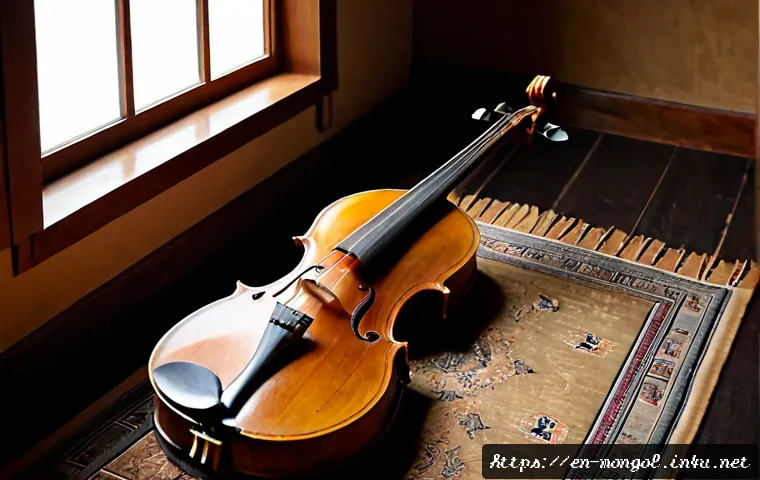
The morin khuur is Mongolia’s best-known traditional instrument, while the tovshuur, yatga, limbe, and tsuur represent important plucked-string, zither, and flute traditions.

For a first instrument, the most practical choice usually depends on your experience with bowed strings, guitar-like instruments, zithers, or flutes—and whether lessons are available.
The morin khuur offers an expressive bowed sound, but it needs patient technique and a well-prepared setup. The tovshuur may appeal to players who prefer plucked accompaniment, while the limbe and tsuur suit learners interested in breath-based playing.
The yatga creates a multi-string plucked texture and can be especially useful for ensemble-focused study. Before buying, compare playability, setup, accessories, and teacher support rather than choosing only by appearance.
At a Glance
- Morin khuur is a bowed two-string fiddle often called the “horsehead fiddle.”
- Tovshuur, yatga, limbe, and tsuur cover plucked lute, zither, transverse flute, and end-blown flute traditions.
- Choose by playing method, lesson access, portability, and setup quality, not only by decorative design.
| Instrument | Playing Method | Portability | Beginner Consideration | What to Check Before Buying |
|---|---|---|---|---|
| Morin khuur | Bowed two-string fiddle | Moderate | Helpful for players with bowed-string experience | Bow quality, string condition, tuning stability, case |
| Tovshuur | Plucked lute | Generally convenient | May feel familiar to plucked-string players | Playable setup, strings, construction, return policy |
| Yatga | Multi-string zither, plucked | Less convenient for travel | Best for learners interested in string textures | String layout, tuning needs, protective case |
| Limbe | Transverse flute | High | Useful for players with flute experience | Comfort, tuning, materials, lesson support |
| Tsu ur | End-blown flute | High | Breath control is central | Playing guidance, construction, regional repertoire |
The Main Families of Mongolian Traditional Music Instruments
Quick Answer: Bowed Strings, Plucked Lutes, Zithers, and Wind Instruments
Mongolian traditional music includes several instrumental families. The morin khuur is bowed, the tovshuur is plucked, the yatga is a multi-string zither, and the limbe and tsuur are flutes. These names are useful starting points, but construction, tuning, repertoire, and regional use can vary. A buyer or student should avoid assuming that one version represents every Mongolian musical tradition.
Why the Morin Khuur Is Often the First Instrument People Recognize
The morin khuur is widely recognized as one of Mongolia’s most important traditional instruments. It has two strings and is played with a bow. Its name is often translated as “horsehead fiddle” because a carved horse head is commonly found on its scroll. For listeners, its bowed voice is often the clearest entry point into Mongolian instrumental music. For learners, however, appearance alone is not enough: bow response, string condition, tuning, and a playable setup matter greatly.
Compare the Most Well-Known Instruments by Sound and Playing Style
Morin Khuur: Bowed, Expressive, and Closely Linked to Pastoral Imagery
The morin khuur is a natural choice for students drawn to sustained notes, bowed phrasing, and expressive tone. It may be more approachable for someone with violin or other bowed-string experience, although it remains its own instrument with its own technique and repertoire. A decorative horsehead fiddle may look impressive, but a learner should confirm that it is intended for regular playing. Ask about the included bow, strings, case, and whether the instrument has been prepared for tuning.
Tovshuur and Shudraga: Plucked-String Options for Rhythmic Accompaniment
The tovshuur is a plucked lute traditionally associated with western Mongolian and Oirat musical traditions. It can be a useful option for players who enjoy rhythmic accompaniment and the direct feel of plucked strings. Some guides and sellers may also use names such as shudraga, but instrument names, designs, and regional associations should be checked carefully rather than treated as interchangeable. If you are comparing a lute for lessons or cultural performance, ask which tradition and tuning approach the instrument is intended to support.
Yatga: Zither Textures and Ensemble-Oriented Playing
The yatga is a Mongolian zither with multiple strings that are played by plucking. Its sound world differs from a bowed fiddle or compact flute because the player works across a broader string layout. It can be appealing for classroom study, recordings, and ensemble-oriented listening. The practical trade-off is size: a zither may require more careful storage and transport than a flute or smaller plucked instrument. Before ordering, check how the instrument is protected during shipping and whether tuning guidance is available.
Limbe and Tsu ur: Flute Traditions and Breath-Based Technique
The limbe is a transverse flute used in Mongolian traditional music. The tsuur is an end-blown flute associated especially with western Mongolian pastoral traditions. Both are portable choices for travelers and students, but they place the focus on breath control, embouchure, and tone production. A player with previous flute experience may find the limbe a logical place to begin. For either flute, access to a teacher, demonstration recording, or clear playing guidance can be more valuable than a visually elaborate finish.
Which Mongolian Instrument Is Best for a Beginner?
Choosing Based on Prior Violin, Guitar, Zither, or Flute Experience
There is no single best beginner instrument for every learner. A violin player may be drawn to the morin khuur’s bow-based approach. A guitarist or other plucked-string player may prefer to explore the tovshuur. Learners familiar with zither-style instruments may be interested in the yatga, while flute players may want to compare the limbe and tsuur. The best first choice is usually the one that matches your existing physical habits and gives you a realistic path to instruction.
Lesson Access, Maintenance Needs, and Realistic Practice Time
Before purchasing, consider whether you can find lessons, a workshop, a cultural organization, or a performer who can demonstrate basic technique. A teacher-supported purchase can reduce confusion about tuning, posture, bow use, or breath technique. Also consider maintenance: strings, bows, protective cases, and safe storage are not minor details. A compact instrument is not automatically easier if you have no guidance on how to play it properly.
Buying, Renting, or Booking Performers: Practical Considerations
What Affects Instrument Cost and Setup Quality
Exact prices and availability vary, so compare listings and ask direct questions. A higher-priced instrument is not automatically the right choice, but a playable setup, stable tuning, suitable strings, and a usable bow or case can matter more than decorative carving. For a school, event organizer, or first-time student, it may be worth prioritizing clear setup information and support over an uncertain bargain.

Handmade Versus Decorative Souvenir Instruments
Not every instrument sold as a cultural object is ready for musical study. A souvenir piece may be suitable for display but unsuitable for dependable tuning or regular practice. Ask whether the item is intended to be played, what materials are used, and whether it arrives with the necessary accessories. Claims about handmade construction or traditional materials should be verified with the seller rather than assumed from photographs.
Questions to Ask About Strings, Bows, Cases, Tuning, and Shipping
Ask whether strings and a bow are included where relevant, whether a protective case is available, and how the instrument is packed for shipping. Confirm the return policy before ordering, especially if you cannot inspect the instrument in person. For lessons or live events, ask what repertoire, regional tradition, and performance format a teacher or performer offers. These questions help align the instrument or booking with your actual goal.
Common Mistakes When Exploring Mongolian Instruments
Confusing Throat Singing with an Instrument
Khoomii, often called throat singing, is a vocal technique rather than an instrument. It belongs to the wider landscape of Mongolian musical practice, but it should not be listed as a flute, fiddle, lute, or zither.
Buying an Unplayable Display Piece Instead of a Musical Instrument
A carved scroll or attractive finish does not confirm playability. Look for practical details: tuning stability, strings, bow condition, accessories, protection, and a clear return policy. If these details are missing, request clarification before buying.
Assuming One Tuning or Design Represents Every Mongolian Region
Traditional instruments may differ by region, construction, tuning, and repertoire. Treat broad labels as a beginning for research, not a final description. This is especially important when selecting an instrument for study, recording, cultural education, or a performance program.
Selection Criteria and Comparison Summary
Choose the morin khuur for bowed sound and focused cultural study; consider the tovshuur for plucked accompaniment; explore the yatga for multi-string textures; and compare the limbe or tsuur if portability and breath-based playing appeal to you. Before deciding, check playability, setup quality, included accessories, lesson access, protective storage, and return terms. Compare instrument setup, included accessories, and teacher support before ordering. For a cultural event, confirm the performer’s repertoire and instrument choice through the relevant booking or program page.
In Closing
Mongolian traditional instruments are best explored as living musical practices rather than as a single fixed collection of objects. The morin khuur is a strong starting point for many listeners, but it is not automatically the best first purchase for every player. Matching the instrument to your prior experience, practice situation, and access to instruction leads to a more useful choice. A careful comparison also helps separate a playable instrument from a display-focused item.
Useful Things to Know
For listening and cultural study, start with the morin khuur, tovshuur, yatga, limbe, and tsuur as distinct sound categories. For classroom use, identify the playing method first: bow, pluck, or breath. For travel, flute options may be easier to carry than a zither. For first lessons, a teacher or experienced performer can help confirm whether an instrument’s setup is suitable.
Important Notes
Construction, tuning, materials, repertoire, and regional use may vary. Exact historical dates, seller authenticity claims, handmade status, availability, and pricing should be independently confirmed. The right beginner choice depends on musical background, budget, practice time, and access to reliable instruction.
Frequently Asked Questions
Q1. What is the most famous traditional instrument in Mongolia?
A1. The morin khuur is widely recognized as one of Mongolia’s most important traditional instruments. It is a bowed two-string fiddle often called the horsehead fiddle because of the carved horse-head decoration commonly found on its scroll.
Q2. Is the morin khuur difficult for a beginner to learn?
A2. It can be challenging because it requires bow control, tuning awareness, and regular practice. It may feel more familiar to someone with prior bowed-string experience, but lesson access and a playable instrument setup are important for any beginner.
Q3. How can I tell whether a Mongolian instrument is playable rather than only decorative?
A3. Ask whether it is intended for regular playing and check practical details such as tuning stability, strings, bow quality where relevant, protective case options, shipping protection, and return terms. Do not rely only on decorative carving or product photographs.