Traveling to Mongolia offers a unique adventure filled with vast landscapes, nomadic culture, and rich history. However, many first-time visitors often stumble into common pitfalls that can disrupt their experience.
From underestimating the harsh weather to overlooking local customs, these mistakes can turn an exciting trip into a frustrating one. Navigating the logistics without proper preparation may also lead to unexpected challenges.
To truly enjoy Mongolia’s wonders, it’s crucial to be aware of these potential missteps. Let’s dive deeper and get a clear understanding of what to avoid for a smooth journey ahead!
Understanding Mongolia’s Climate Challenges
Preparing for Sudden Weather Shifts
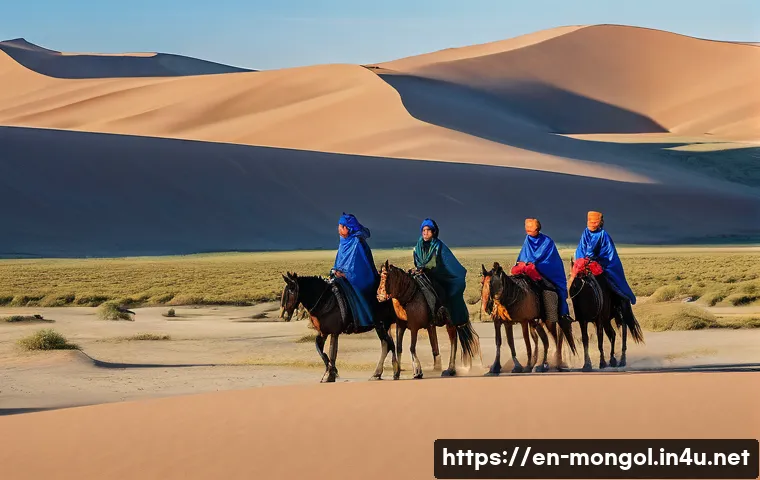
Mongolia’s weather can be wildly unpredictable, even within a single day. When I first traveled there, I underestimated how quickly the temperature could drop after sunset, especially in the Gobi Desert.
One afternoon might feel warm enough for just a t-shirt, but by evening, a heavy jacket becomes essential. This rapid change often catches travelers off guard, leading to discomfort or even health issues if they aren’t properly equipped.
Always packing layered clothing and a reliable windbreaker turned out to be a lifesaver during my trips. It’s not just about cold; the dry air combined with strong winds can dry out your skin and eyes, so bringing moisturizer and sunglasses is a smart move.
The Harsh Reality of Winter Travel
Winter in Mongolia is something else entirely. Temperatures can plummet to -30°C (-22°F) or lower, especially in rural areas. I remember being stunned by how intense the cold felt, far beyond what I had experienced in any other winter destination.
Without the right gear, such as insulated boots and thermal layers, your trip can quickly become miserable. Many first-timers don’t realize how isolated some regions are during winter, which means limited access to emergency services or stores if you get stranded.
Planning your itinerary carefully and consulting locals about current conditions helped me avoid potentially dangerous situations.
Seasonal Timing and Its Impact on Experience
Choosing the right season to visit Mongolia can dramatically affect your trip. Summer months from June to August offer mild weather and blooming landscapes, but it also means more tourists and higher prices.
Spring and fall bring cooler temperatures and fewer crowds but require more preparation for chilly nights. My advice is to match your travel goals with the season: if you want to experience the Naadam Festival or see the wildflowers, summer is perfect.
But if you prefer solitude and don’t mind the cold, late fall can be magical. Ignoring this can lead to discomfort or missing out on key cultural experiences.
Mastering Mongolian Transportation and Navigation
Rethinking Distance and Travel Time
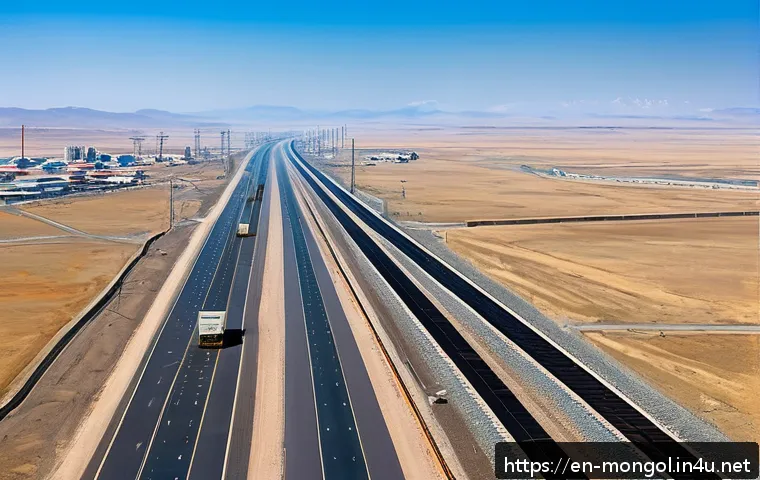
Distances in Mongolia are deceptive. What looks like a short drive on the map can take hours due to rough roads and unpaved tracks. I learned this the hard way when a 100-kilometer trip stretched into a half-day journey because of weather and terrain.
Public transport is limited outside of Ulaanbaatar, and many remote destinations require private drivers or joining a tour. Expect slower travel and plan accordingly.
This is especially important if you have tight schedules or flights to catch. Being flexible with your itinerary is key to avoiding frustration.
Choosing the Right Mode of Transport
The options range from domestic flights to horseback rides, each with pros and cons. Domestic flights save time but are often delayed or canceled due to weather.
Horseback or camel treks provide authentic experiences but demand physical endurance and preparation. When I opted for a horse trek, I realized the importance of physical fitness and proper gear, something many newcomers overlook.
Jeeps and 4×4 vehicles are the most common for overland travel and offer a balance between comfort and accessibility. Renting a vehicle without a local driver is generally not recommended due to challenging road conditions.
Essential Navigation Tips and Tools
GPS coverage in Mongolia is spotty, particularly in the countryside. I found that relying solely on smartphone maps is risky. Downloading offline maps beforehand and carrying a physical map or guidebook proved invaluable.
Local guides are also a treasure trove of knowledge, not just for directions but for cultural insights. If you’re venturing off the beaten path, sharing your itinerary with someone and carrying a satellite phone or emergency beacon can be lifesaving.
These precautions help avoid getting lost in Mongolia’s vast and often featureless landscapes.
Respecting Local Traditions and Social Norms
Understanding Nomadic Hospitality
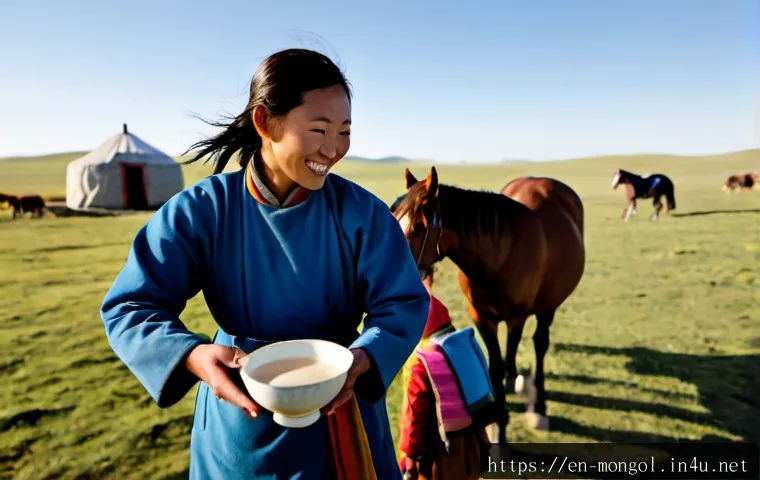
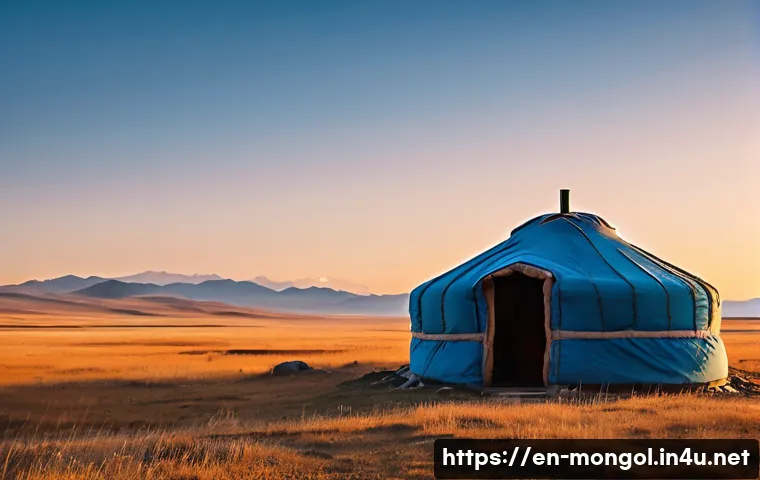
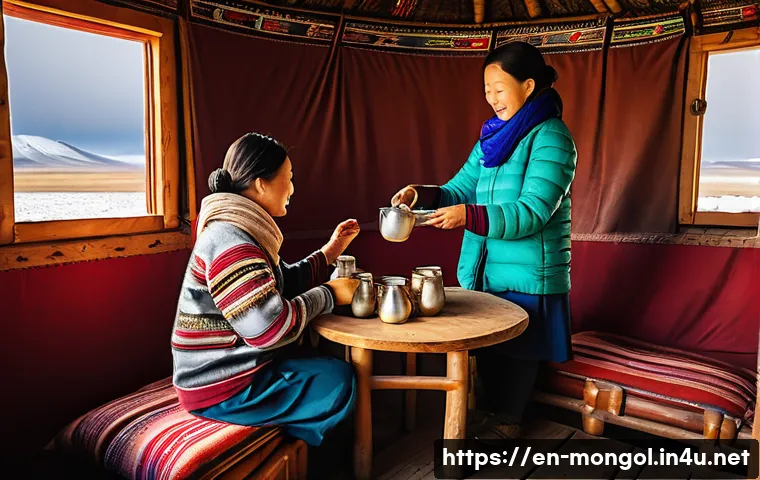
Mongolian nomads are famously hospitable, but their customs can be unfamiliar to outsiders. When I was invited into a ger (traditional yurt), I initially didn’t realize the importance of certain gestures, such as offering a small gift or removing shoes at the entrance.
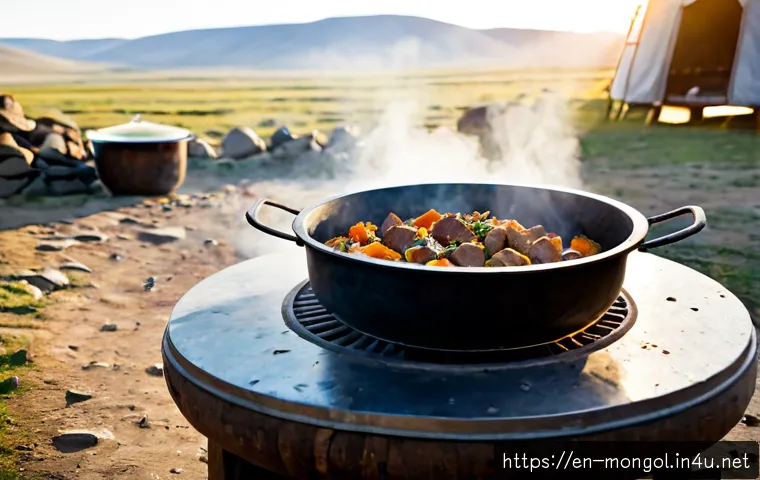
These small acts of respect go a long way in building genuine connections. It’s also customary to accept food or drink offered, even if just a sip of salty milk tea, as refusal can be seen as rude.
Observing and mimicking locals helped me avoid awkward moments and made my interactions more rewarding.
Dress Codes and Public Behavior
While Ulaanbaatar is modernizing rapidly, rural areas still hold tightly to traditional values. Wearing revealing clothing or loud accessories can draw unwanted attention.
I found that dressing modestly and conservatively helped me blend in and show respect. Public displays of affection are uncommon and frowned upon, especially in smaller communities.
Additionally, when visiting religious sites, removing hats and speaking softly is expected. Understanding these nuances prevents misunderstandings and shows cultural sensitivity.
Language and Communication Nuances
Mongolian is the official language, and while English is increasingly spoken in cities, it’s rare in remote areas. I relied heavily on basic Mongolian phrases and a translation app to bridge the gap.
However, gestures and tone matter a lot; a smile and polite demeanor often open doors even when words fail. Locals appreciate any effort to communicate in their language, no matter how limited.
Avoiding slang or abrupt speech patterns also helps maintain positive interactions. Patience and a sense of humor go a long way when language barriers arise.
Managing Health and Safety in Remote Areas
Preparing for Limited Medical Facilities
Healthcare outside Ulaanbaatar is sparse and often lacks advanced equipment. During my trip to the steppe, I realized that minor injuries or illnesses could become serious if not addressed promptly.
Carrying a well-stocked first aid kit and any personal medications is crucial. Travel insurance that covers medical evacuation is highly recommended. If you have specific health conditions, consulting a doctor before your trip and informing your guide is important.
Understanding this reality helps travelers avoid panic and ensures they are ready for emergencies.
Food and Water Precautions
Eating local cuisine is a highlight, but it requires caution. Drinking untreated water or eating raw dairy products can cause stomach issues. I learned to rely on bottled water and avoid street food vendors whose hygiene standards were questionable.
When staying with nomads, it’s best to eat what is freshly prepared and to ask about food safety if unsure. Taking probiotics before and during the trip helped me prevent digestive problems.
Being mindful of what you consume can save you from days of discomfort in areas where pharmacies are scarce.
Wildlife and Environmental Risks
Mongolia’s wilderness is beautiful but can be unforgiving. Encounters with insects like ticks or mosquitoes are common in summer and can transmit diseases.
Wearing long sleeves and using insect repellent is advisable. When hiking or camping, staying aware of your surroundings helps avoid encounters with larger wildlife like wolves or stray dogs.
Fire safety is also critical, especially during dry seasons when grass fires can spread rapidly. I always made sure to follow local advice and keep emergency contacts handy to stay safe in the wild.
Financial Planning and Currency Tips
Understanding Local Currency and Payment Methods
Mongolian Tugrik (MNT) is the official currency, and cash remains king outside major cities. On my first visit, I discovered that many vendors don’t accept credit cards, making cash essential.
ATMs are available in Ulaanbaatar but rare in rural areas, so carrying sufficient cash before heading out is crucial. Exchange rates can vary, so it’s wise to exchange money at official banks or authorized bureaus.
Small denominations are particularly handy for daily transactions, such as paying for entry fees or local transportation.
Budgeting for Unexpected Expenses
Traveling in Mongolia often involves unplanned costs, from vehicle repairs to tipping local guides. I recommend setting aside a contingency fund for such surprises.
Prices can fluctuate depending on the season and remoteness of the destination. Group tours can help control costs but sometimes limit flexibility. Balancing comfort and budget by mixing guided tours with independent travel worked best for me.
Being prepared financially reduces stress and lets you enjoy your trip without constantly worrying about money.
Negotiating and Tipping Etiquette
Bargaining is common in markets and for some services, but it should be done politely and with respect. I found that starting with a reasonable offer and smiling often led to fair deals without offending sellers.
Tipping is appreciated but not mandatory; a small tip for drivers, guides, or hospitality staff shows gratitude and encourages good service. Understanding these social nuances helps avoid awkward situations and builds goodwill.
Remember, generosity goes a long way in Mongolia’s close-knit communities.
Essential Packing Advice for Mongolia’s Terrain
Gear for Comfort and Practicality
Packing light but smart is a balancing act I struggled with initially. The key is versatility — clothing that can be layered, quick-drying fabrics, and sturdy footwear.
I highly recommend waterproof hiking boots with good ankle support, as terrain varies from rocky mountains to sandy deserts. A durable backpack with compartments for water bottles, snacks, and camera gear is essential.
Don’t forget a wide-brimmed hat and sunscreen to protect against strong UV rays, especially at higher altitudes. These small details made long days exploring much more enjoyable.
Technology and Power Solutions
Electricity access is limited in remote areas, so bringing portable chargers and spare batteries is vital. I also carry a universal adapter since Mongolia uses the European two-pin plug system.
Having offline maps and travel apps downloaded before departure saved me from connectivity issues. A good camera with extra memory cards helped capture the stunning landscapes without worrying about running out of space.
Preparing your tech gear with Mongolia’s conditions in mind prevents frustrating interruptions during your adventure.
Personal Care and Hygiene Essentials
Basic toiletries are not always easy to find outside Ulaanbaatar, so bringing travel-sized items is wise. Wet wipes and hand sanitizer became my go-to items, especially when camping or staying in gers without running water.
A small towel and quick-dry clothing add convenience. For women, menstrual products might be scarce in rural shops, so packing enough supplies is important.
These personal care items kept me comfortable and healthy throughout my journey, avoiding unnecessary hassles.
Planning Activities with Realistic Expectations
Choosing Experiences That Match Your Fitness Level
Mongolia offers a wide range of activities, from gentle cultural tours to demanding multi-day treks. I learned that overestimating my physical capabilities can turn a dream trip into a nightmare.
If you’re not used to hiking or horseback riding, starting with shorter excursions helps build confidence and prevents injury. Some tours require early mornings and long hours on the move, so adequate rest beforehand is crucial.
Being honest about your limits ensures you enjoy your chosen activities without exhaustion or disappointment.
Booking Tours and Guides Wisely
A knowledgeable guide can transform your understanding of Mongolia’s history and culture. However, not all guides are created equal. I found that booking through reputable agencies or getting recommendations from fellow travelers leads to better experiences.
Some cheaper tours might skimp on safety or comfort, so it’s worth investing in quality. Also, clarify what’s included in the price to avoid surprises.
A good guide not only navigates logistics but also enriches your trip with stories and insights, making your time in Mongolia truly memorable.
Balancing Adventure with Rest
It’s tempting to pack every day with activities, but Mongolia’s vastness means travel itself can be tiring. I made the mistake of over-scheduling on my first trip and ended up feeling drained halfway through.
Allowing downtime to relax in a ger, watch sunsets over the steppe, or simply enjoy the silence is equally important. This balance between adventure and rest helped me recharge and appreciate the subtle beauty of Mongolia’s landscapes.
Listen to your body and adjust plans as needed to keep your energy and spirits high.
| Common Travel Challenges | Practical Solutions | Personal Tips |
|---|---|---|
| Unpredictable weather and cold nights | Pack layered clothing and windproof jackets | Always carry sunscreen and lip balm for dry air |
| Long travel times on rough roads | Plan flexible itineraries and hire local drivers | Download offline maps and carry a physical map |
| Language barriers in rural areas | Learn basic Mongolian phrases and use translation apps | Smile often and be patient to build rapport |
| Limited medical facilities | Bring a first aid kit and travel insurance with evacuation | Consult a doctor before traveling for special conditions |
| Cash-only transactions outside cities | Carry sufficient local currency in small denominations | Exchange money at official bureaus for better rates |
| Limited electricity and internet | Bring portable chargers and download necessary apps offline | Use a universal adapter and extra batteries for gadgets |
| Physical demands of activities | Choose activities matching fitness level and rest adequately | Start with short treks before attempting longer rides |
Conclusion
Exploring Mongolia is a unique adventure that demands preparation, flexibility, and respect for local customs. Embracing its unpredictable weather, vast landscapes, and rich culture can lead to unforgettable experiences. With thoughtful planning and an open mind, travelers can navigate challenges smoothly and truly connect with the heart of Mongolia.
Useful Tips to Remember
1. Always pack layered clothing and essential skincare to handle Mongolia’s sudden weather changes and dry air.
2. Allow extra travel time and rely on local drivers to cope with Mongolia’s challenging roads and distances.
3. Learn basic Mongolian phrases and use translation apps to improve communication, especially in remote areas.
4. Carry sufficient cash in small denominations since card payments are often unavailable outside cities.
5. Prepare for limited medical facilities by bringing a first aid kit and securing travel insurance with evacuation coverage.
Key Takeaways
Understanding Mongolia’s climate and transportation challenges is crucial for a safe and enjoyable trip. Respecting local traditions enhances cultural experiences and builds meaningful connections. Being mindful of health precautions and financial planning helps avoid common pitfalls. Finally, packing smartly and choosing activities that match your fitness level ensure comfort and lasting memories during your Mongolian journey.
Frequently Asked Questions (FAQ) 📖
Q: What is the best time of year to visit Mongolia to avoid extreme weather conditions?
A: The ideal time to visit Mongolia is during late spring (May to early June) and early autumn (September). During these periods, the weather is milder, with less intense cold or heat, making outdoor activities more comfortable.
Summers can be surprisingly warm but short, while winters are extremely harsh with temperatures often dropping below -30°C (-22°F). Planning your trip around these shoulder seasons helps you avoid weather-related disruptions and enjoy Mongolia’s stunning landscapes without the extremes.
Q: How can I respectfully engage with the nomadic culture and local customs in Mongolia?
A: When interacting with Mongolian nomads, it’s important to show genuine respect for their traditions. Always ask permission before entering a ger (traditional yurt), avoid pointing your feet at people, and accept food or drink with both hands as a sign of politeness.
Learning a few basic greetings in Mongolian and being open to listening rather than just observing can go a long way. I found that locals appreciate travelers who show curiosity with humility rather than just treating visits like sightseeing.
This respectful approach often leads to deeper, more meaningful cultural exchanges.
Q: What logistical challenges should I prepare for when traveling in Mongolia?
A: Mongolia’s vastness and underdeveloped infrastructure mean that travel between destinations can be long and unpredictable. Roads outside Ulaanbaatar are often unpaved, and public transport options are limited.
Booking a reliable local guide or joining a tour can save you a lot of headaches. Also, internet connectivity is spotty in rural areas, so plan accordingly.
When I traveled, having offline maps and a flexible schedule helped me stay calm despite unexpected delays. Bringing cash is essential too, as card payments are rarely accepted outside major cities.
Being prepared for these realities ensures your trip stays smooth and stress-free.