Mongolia’s culture is a fascinating blend of ancient traditions and nomadic lifestyles that have endured for centuries. From the iconic ger tents to the deeply rooted horse-riding heritage, every aspect reflects a strong connection to nature and community.
The vibrant festivals, throat singing, and traditional cuisine offer a glimpse into a world where history and daily life intertwine seamlessly. Exploring Mongolian culture reveals a unique perspective on resilience and harmony with the vast steppe landscape.
Let’s dive deeper into what makes Mongolia’s cultural identity truly one of a kind. Get ready to uncover the rich traditions and surprising customs that shape this extraordinary country!
Living with the Land: The Heart of Mongolian Nomadism
Ger Life: More Than Just a Tent
The ger, often called a yurt in other regions, is a marvel of practical design and cultural symbolism. Having spent time with nomadic families, I noticed how the ger isn’t just shelter but a living space that adapts to Mongolia’s harsh climate.
Its circular shape withstands strong winds, while the felt insulation keeps the interior warm during brutal winters. Inside, the placement of furniture and household items follows age-old customs, reflecting respect for elders and spiritual beliefs.
Visiting a ger, you immediately feel a sense of hospitality and community warmth, despite its modest size. It’s fascinating how such a simple structure holds generations of tradition and daily life intertwined.
Seasonal Migration and Its Challenges
Nomads don’t stay put; they move with the seasons to find the best pastures for their herds. This cyclical migration is a deeply ingrained rhythm that shapes everything—from family roles to the economy.
What struck me most during my travels was how this lifestyle demands resilience and adaptability. Families must dismantle their gers, load their belongings onto camels or trucks, and trek across vast steppes.
Modern challenges like climate change and urban migration threaten these patterns, yet many still cling to their nomadic roots. It’s a delicate balance between preserving tradition and navigating a rapidly changing world.
Animal Husbandry: The Backbone of Survival
Horses, sheep, goats, camels, and cattle are central to Mongolian life, not just as livestock but as cultural icons. I vividly recall watching a family skillfully manage their herd, highlighting the deep knowledge passed down through generations.
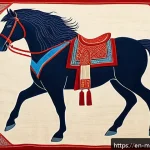
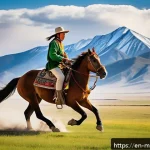
Horses, in particular, are revered—not only for transportation but also for the spiritual connection they foster. Mongolian horse culture is unique; children learn to ride almost as soon as they can walk, and horse racing is a prestigious sport during festivals.
This relationship between humans and animals is more than economic; it’s a spiritual partnership essential for survival on the steppe.
Echoes of the Past: Music and Oral Traditions
Throat Singing: Voices of the Mountains
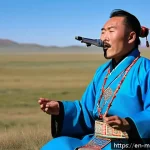
Tuvan and Mongolian throat singing, or khoomei, is a captivating art form that left me utterly mesmerized. It involves producing multiple pitches simultaneously, mimicking natural sounds like wind, water, and animal calls.
The first time I heard it live under a wide-open sky, it felt like the land itself was singing. Beyond entertainment, throat singing serves as a spiritual practice, connecting performers to their environment and ancestors.
Learning about the subtle techniques and regional variations gave me a deeper appreciation for how this ancient tradition endures in modern Mongolia.
Storytelling: Keeping History Alive
Mongolian oral traditions are rich with epic tales, myths, and legends that explain the origins and values of the people. I sat with elders who recounted the famous story of Genghis Khan, but also lesser-known folktales that teach lessons about bravery, loyalty, and harmony with nature.
These stories are often performed with music and dance, making them vibrant communal experiences. In a world dominated by digital media, this oral heritage remains a powerful way to preserve identity and pass wisdom through generations.
Traditional Instruments and Their Roles
The morin khuur, or horsehead fiddle, is the quintessential Mongolian instrument. Its haunting melodies evoke the vastness of the steppe and the spirit of the horse.
I had the chance to try playing one, and while challenging, it gave me insight into the emotional depth this instrument conveys. Other instruments, like the shanz and yatga, complement the morin khuur in creating the unique soundscapes of Mongolian music.
These musical traditions are inseparable from daily life, celebrations, and rituals, underscoring their cultural significance.
Festivals and Celebrations: The Pulse of Community Life
Naadam Festival: More Than Just Sports
Naadam is Mongolia’s most iconic festival, celebrated every July with a vibrant mix of wrestling, archery, and horse racing—the “three manly games.” Attending Naadam, I was swept up by the energy and camaraderie that radiate through the crowds.
Beyond competition, the festival is a tribute to heritage and national pride. Families dress in traditional deels, vendors sell local delicacies, and performances fill the air with music and dance.
It’s a rare moment when the entire nation unites to celebrate its roots and strength.
Tsagaan Sar: Lunar New Year Traditions
Tsagaan Sar, or White Moon Festival, marks the Mongolian Lunar New Year and symbolizes renewal and family bonds. I had the honor of joining a household during Tsagaan Sar, where every gesture carried meaning—from the intricate greetings to the lavish feasts.
The preparation alone takes days, involving traditional dishes like buuz (steamed dumplings) and dairy products. This festival is a heartfelt reminder of gratitude, respect for elders, and hopes for prosperity.
Experiencing Tsagaan Sar firsthand revealed how deeply Mongolians value connection and continuity.
Modern Influences and Festival Evolution
While traditional festivals remain vital, Mongolia’s younger generation is blending old customs with contemporary trends. For example, modern music and urban fashion sometimes merge with festival rituals, creating fresh expressions of identity.
I noticed this fusion particularly in Ulaanbaatar, where art festivals and cultural events attract both locals and tourists eager to experience Mongolia’s evolving culture.
This dynamic interplay between past and present breathes new life into traditions, ensuring they remain relevant without losing their essence.
Culinary Journeys: Flavors of the Steppe
Hearty Dishes Rooted in Livestock
Mongolian cuisine reflects its nomadic heritage, relying heavily on meat and dairy products. I remember savoring buuz, khorkhog (meat cooked with hot stones), and airag (fermented mare’s milk), each bite telling a story of survival and celebration.
These dishes are not just food but an expression of hospitality and respect. Preparing and sharing meals is a communal act that strengthens bonds. The flavors may be unfamiliar at first, but their richness and warmth soon feel like a taste of Mongolia’s soul.
Seasonal Ingredients and Food Preservation
Given the short growing season and harsh winters, Mongolians have developed ingenious ways to preserve food. I was intrigued by techniques like drying meat and fermenting dairy, which ensure sustenance throughout the year.
Wild herbs and berries collected from the steppe also feature in traditional recipes, adding subtle flavors and nutrition. This resourcefulness reflects a deep understanding of the environment and a commitment to living sustainably within it.
The Role of Food in Social Customs
Food is central to Mongolian hospitality and rituals. Offering tea with milk and salt, sharing meals during festivals, or presenting special dishes to guests are gestures loaded with meaning.
I observed how refusing food can sometimes be seen as impolite, highlighting the importance of generosity. Meals often accompany storytelling, music, and laughter, turning eating into a holistic cultural experience.
This social dimension of cuisine underscores how food nurtures not only the body but also relationships.
Artisan Craftsmanship: Preserving Heritage Through Hands
Traditional Clothing and Symbolism
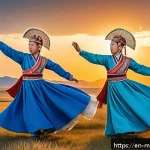
The deel, a long robe worn by Mongolians, is more than just clothing—it’s a canvas of history and identity. When I tried on a deel, I was struck by the vibrant colors, intricate patterns, and practical design suited for nomadic life.
Each region has distinct styles, and details like buttons and belts carry symbolic meanings. Wearing a deel connects individuals to their ancestors and community, especially during ceremonies and festivals.
The craftsmanship involved in making these garments reflects pride and continuity.
Leatherwork and Woodcraft
Leather and wood are essential materials for Mongolian nomads, used to create everything from saddles to household items. I had the chance to visit a workshop where artisans skillfully carved wooden bowls and stitched leather boots.
These crafts require patience and knowledge passed down through families, and they often incorporate traditional motifs and functionality. Supporting these artisans helps keep these valuable skills alive, bridging the past with present livelihoods.
Contemporary Art Inspired by Tradition
Mongolia’s art scene is vibrant and evolving, with many artists drawing inspiration from nomadic culture while experimenting with modern forms. I attended a gallery opening in Ulaanbaatar where paintings and sculptures blended ancient symbols with contemporary themes.
This fusion expresses Mongolia’s ongoing dialogue between heritage and globalization. It was inspiring to see how artists use their work to question, celebrate, and reinterpret what it means to be Mongolian today.
Spiritual Beliefs and Practices: Harmony with Nature and Cosmos
Shamanism and Animism
Shamanism remains a vital spiritual practice for many Mongolians, emphasizing harmony with nature and ancestral spirits. I participated in a shamanic ritual once, witnessing drumming, chanting, and offerings intended to communicate with the spirit world.
This ancient belief system coexists with Buddhism, influencing daily life and community decisions. The respect for animals, mountains, and rivers as living entities is deeply ingrained, shaping how people interact with their environment.
Buddhism’s Influence on Daily Life
Tibetan Buddhism has played a significant role in Mongolia for centuries. Monasteries and temples dot the landscape, serving as centers for religious practice and cultural preservation.
I visited a monastery where monks engaged in prayer, meditation, and teaching, radiating calm and devotion. Buddhism’s emphasis on compassion and mindfulness complements traditional nomadic values, creating a unique spiritual tapestry.
Rituals, festivals, and art all reflect this blend, enriching Mongolia’s cultural fabric.
Modern Spirituality and Cultural Revival
In recent decades, there has been a resurgence of interest in traditional spiritual practices alongside Buddhism. Younger Mongolians are exploring their heritage with renewed pride, sometimes blending old and new beliefs.
I’ve noticed how this revival also connects to environmental awareness, reinforcing the idea that spiritual health and ecological balance are intertwined.
This dynamic spiritual landscape illustrates Mongolia’s capacity to honor its past while embracing contemporary identities.
Summary of Key Cultural Elements
| Aspect | Description | Significance |
|---|---|---|
| Ger (Yurt) | Traditional portable dwelling made of wood and felt | Symbolizes adaptability and community; practical for nomadic life |
| Throat Singing (Khoomei) | Unique vocal technique producing multiple tones | Connects performers to nature and ancestral spirits |
| Naadam Festival | Annual celebration featuring wrestling, archery, horse racing | Showcases national identity and traditional skills |
| Mongolian Cuisine | Meat and dairy-based dishes like buuz, khorkhog | Reflects nomadic lifestyle and hospitality |
| Traditional Clothing (Deel) | Colorful robe with symbolic patterns | Expresses regional identity and cultural continuity |
| Spiritual Practices | Blend of shamanism and Tibetan Buddhism | Fosters harmony with nature and community values |
글을 마치며
Exploring Mongolia’s nomadic culture reveals a profound connection between people, land, and tradition. From the humble ger to vibrant festivals, every element tells a story of resilience and harmony. Living alongside nomads offers a unique perspective on adapting to nature while preserving heritage. This journey into Mongolian life inspires a deeper appreciation for simplicity, community, and spiritual balance.
알아두면 쓸모 있는 정보
1. The ger’s design is perfectly suited for Mongolia’s extreme weather, making it an efficient and sustainable home for nomads.
2. Seasonal migration is not just a lifestyle but a cultural rhythm that sustains both the environment and the nomadic economy.
3. Mongolian throat singing is more than music; it is a spiritual practice connecting performers with nature and ancestry.
4. Traditional festivals like Naadam and Tsagaan Sar offer immersive experiences that highlight Mongolia’s rich cultural heritage.
5. Mongolian cuisine, deeply rooted in livestock, reflects both survival skills and social customs that emphasize hospitality.
중요 사항 정리
Understanding Mongolia’s nomadic culture requires recognizing the intricate balance between tradition and modernity. The ger exemplifies practical living, while festivals and spiritual practices preserve identity and community values. Animal husbandry remains central not only economically but spiritually, fostering deep human-animal bonds. Moreover, the ongoing revival of traditional beliefs alongside Buddhism illustrates Mongolia’s dynamic cultural landscape. Embracing these elements provides valuable insights into a way of life that honors nature, history, and human connection.
Frequently Asked Questions (FAQ) 📖
Q: What is the significance of the ger tent in Mongolian culture?
A: The ger, also known as a yurt, is more than just a portable home for Mongolian nomads; it’s a symbol of their deep connection to nature and tradition.
Designed to withstand the harsh climate of the steppes, the ger reflects a lifestyle built around mobility and harmony with the environment. Inside, the circular shape represents unity and balance, and the layout follows strict customs that honor family roles and spiritual beliefs.
Experiencing life in a ger firsthand reveals how Mongolians maintain their cultural identity while adapting to modern challenges.
Q: How does horse riding shape Mongolian daily life and cultural identity?
A: Horses are central to Mongolia’s heritage, often called the “land of the horse.” From childhood, many Mongolians learn to ride, as horses are essential for transportation, herding, and even sports like horse racing during festivals.
This bond with horses fosters a sense of independence and resilience, qualities admired in Mongolian culture. I’ve noticed that horse-related traditions aren’t just about skill—they’re a source of pride and a way to pass down stories and values from one generation to the next, keeping the nomadic spirit alive.
Q: What are some unique customs or festivals that highlight Mongolian culture?
A: One of the most captivating festivals is Naadam, often called “the three games of men,” featuring wrestling, archery, and horse racing. But beyond the competition, Naadam is a celebration of Mongolian identity, community, and history.
Another unique tradition is throat singing, a mesmerizing vocal art that mimics the sounds of nature and reflects a profound spiritual connection to the land.
Tasting traditional dishes like buuz (steamed dumplings) during these events also offers a delicious glimpse into the everyday life and hospitality that define Mongolia’s rich cultural tapestry.