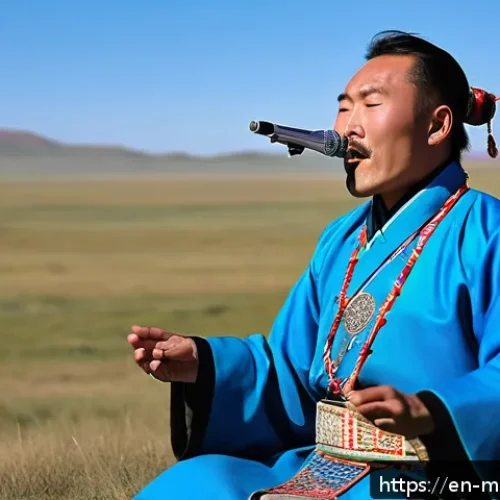
Hey there, fellow culture explorers! Have you ever found yourself utterly captivated by a place where ancient traditions aren’t just preserved, but vibrantly alive and shaping everyday life?
That’s exactly how I feel about Mongolia, a land where the vast steppes meet an incredibly rich spiritual heritage. When you think of Mongolia, horses and wide-open spaces often come to mind, but for me, it’s the profound tapestry of Buddhist symbolism that truly leaves an indelible mark.
It’s not just about historical relics; it’s about a living, breathing faith deeply woven into every aspect of their culture, from their nomadic dwellings to their stunning artistry and daily rituals.
I’ve always been fascinated by how these symbols, passed down through generations, continue to offer solace, guidance, and a unique identity in an ever-changing world.
Seriously, understanding these symbols isn’t just a history lesson; it’s a peek into the heart and soul of a resilient nation, constantly adapting yet holding firm to its spiritual roots.
There’s a beautiful complexity here, a kind of timeless wisdom that feels incredibly relevant today as we navigate our own modern challenges. What do these ancient symbols truly mean for Mongolians today, and how do they continue to shape their perspective?
Let’s dive deeper and uncover exactly what makes Mongolia’s Buddhist symbolism so captivating!
Whispers from the Steppe: Ancient Wisdom in Modern Life

For me, one of the most incredible things about exploring Mongolia is seeing how deeply ingrained its spiritual heritage is, not just in temples and monasteries, but in the very fabric of daily life.
It’s like these ancient symbols are always there, quietly guiding, protecting, and connecting people to something much larger than themselves. When I first saw a traditional Mongolian ger (yurt), I was immediately struck by the intricate patterns and designs that adorned everything from the wooden frame to the felt walls.
It wasn’t just decoration; it felt like every line and color told a story, a silent prayer for well-being and harmony. This seamless blend of the sacred and the mundane is truly captivating, and it makes you realize that spirituality isn’t a separate part of life here; it *is* life.
It’s a powerful reminder of how resilient and deeply rooted their culture is, especially when you consider all the changes the world has gone through.
I’ve always found it fascinating how symbols, passed down for generations, continue to offer solace and a unique identity in an ever-evolving landscape.
The Enduring Message of the Endless Knot
One symbol that consistently catches my eye is the *Ulzii Hee*, or the endless knot. Seriously, I’ve seen it everywhere – on carvings, textiles, even on jewelry.
It symbolizes the infinite love and interdependence of all things. When I first learned its meaning, it instantly clicked for me. It’s not just a pretty design; it’s a philosophical statement about how everything is connected, how our actions ripple outwards, and how life’s cycles are continuous.
Thinking about it, this symbol really resonates with the nomadic lifestyle, where communities are so deeply intertwined and reliant on each other and nature.
It felt like a gentle nudge to appreciate the interconnectedness in my own life, something we often forget in our fast-paced world.
Sacred Colors and Their Living Stories
The vibrant use of colors in Mongolian culture also tells a profound story, especially through traditional objects and ceremonies. I vividly remember being offered a *khadag*, a ceremonial silk scarf, and learning that each color holds a special meaning.
Blue, for instance, represents the eternal blue sky, a really sacred concept in Mongolian tradition. White signifies purity, much like the milk central to their diet, and yellow is all about religion and joy.
Red symbolizes fire and prosperity, while green often stands for the earth and wisdom. It’s not just about aesthetics; these colors are woven into their daily expressions, from the clothing they wear to the offerings they make, creating a constant, colorful dialogue with their beliefs.
More Than Just Decor: The Power of Everyday Emblems
You know, it’s easy to look at symbols and think they’re just old designs, right? But in Mongolia, I’ve learned that these emblems carry a living, breathing power that shapes everything from personal identity to national pride.
It’s not just about tradition; it’s about a continuous conversation between the past and the present, a way of grounding oneself in a rich heritage while navigating a rapidly changing world.
I’ve often found myself pausing to examine a design on a nomad’s ger, or a pattern on a piece of felt, and realizing that these aren’t random choices.
Each element is carefully chosen, imbued with meaning, and intended to bring specific blessings or protection. It’s a practical, everyday application of profound spiritual concepts, which I find absolutely fascinating.
It really brings home the idea that symbols are not static relics but dynamic forces in people’s lives.
Guardians of the Home: Ger Symbolism
Stepping inside a ger, you quickly realize it’s a microcosm of the universe, designed with incredible symbolic intent. The central pillars, the direction you move, and even the placement of objects all hold deep meaning.
It’s a very intentional space, and I’ve seen firsthand how families treat their ger with immense respect. For instance, moving clockwise inside is a customary sign of respect, reflecting the sun’s path and ensuring positive energy flow.
I remember a time I almost went the wrong way, and a kind elder gently redirected me, explaining the reasoning behind it with a warm smile. It was a small moment, but it taught me so much about the respect for order and tradition embedded in their culture.
The interior decorations, too, often feature symbols like the Ulzii Hee, placed to bring good fortune and protect the inhabitants.
Wedding Rings and Woven Tales: Personal Adornments
Even personal adornments like wedding rings are steeped in powerful symbolism. I was so touched when I learned about the *Khatan Suik* (Queen’s Carriage) for men and the *Khaan Buguivich* (King’s Bracelet) for women.
The Khatan Suik, with its two interlocking circles, represents the strength of everlasting love and unity. The Khaan Buguivich, though featuring two interlocking triangles, symbolizes the same enduring love and bond.
It’s such a beautiful way to literally wear your values and commitments on your hand. It made me reflect on how our own cultures express similar sentiments, often through less overt, yet still meaningful, symbols.
These pieces aren’t just jewelry; they’re wearable stories, passed down through generations, embodying the hopes and dreams of a lasting union.
The Soyombo: A Nation’s Heartbeat in Symbols
When you think about national emblems, most countries have a flag or a crest, right? But the Mongolian Soyombo symbol? It’s on another level entirely.
For me, it feels like the very soul of the nation, etched into its flag and currency, speaking volumes about its history, values, and aspirations. I’ve spent quite a bit of time just staring at it, trying to absorb all the intricate layers of meaning.
It’s not just a collection of pretty shapes; it’s a philosophical masterpiece, a visual representation of their resilience and spirit. Created by Zanabazar, the First Living Buddha of Mongolia, this emblem is more than just a national symbol; it’s a narrative of prosperity, vigilance, and unity that has guided the Mongolian people for centuries.
It’s truly a symbol that makes you feel the weight of history and the vibrant pulse of a nation.
Fire, Sun, and Moon: Cosmic Harmony
At the top of the Soyombo, you’ll see three flames, and honestly, they’re not just for show. These flames represent fire, which for Mongolians, symbolizes eternal growth, wealth, and success.
What’s even cooler is that the three tongues of the flame signify the past, present, and future, linking it directly to the Buddhist concept of the “Three Jewels”: Buddha, Dharma, and Sangha.
Below the flames are the sun and moon, symbols of the universe itself, revered as the mother and father of the Mongolian nation. This cosmic pairing emphasizes duality and harmony, reflecting a deep respect for natural forces and the balance of life.
I remember seeing this on a government building and feeling a profound connection to their reverence for the vast, open skies I had grown to love.
Arrows, Rectangles, and Fish: Strength and Vigilance
The lower parts of the Soyombo are equally powerful. The two triangles pointing downward? They represent arrowheads and spears, symbolizing Mongolia’s readiness to defend against both internal and external enemies.
It’s a strong message of protection and vigilance. Then you have the horizontal rectangles, which signify stability, honesty, and justice. These are values I’ve personally seen reflected in the Mongolian people I’ve met—a deep-seated sense of fairness and integrity.
And those two fish in the center? They’re another one of the Eight Auspicious Symbols of Buddhism, but in the context of the Soyombo, they also symbolize watchfulness and vigilance, because fish never close their eyes.
Finally, the two vertical rectangles at the sides are like the walls of a fortress, representing unity and strength, embodying the idea that “the friendship between two people is stronger than stone walls”.
Every single element tells a part of their story, making it incredibly rich.
Nature’s Canvas: Where Earthly Beauty Meets Spiritual Truths
Mongolian culture is so deeply connected to the natural world, it’s honestly breathtaking. For me, traveling through the vast steppes, it felt like nature itself was a living, breathing scripture, filled with lessons and divine beauty.
This profound respect for the environment isn’t just a nice idea; it’s practically a spiritual doctrine, influencing everything from their daily customs to their artistic expressions.
I’ve often seen patterns inspired by fire, water, mountains, and the sky adorning everyday objects, acting as constant reminders of the powerful forces that shape their lives.
It makes you realize that in a land where survival often depends on understanding and adapting to nature, these symbols are not just beautiful; they’re vital.
The Wisdom of the Four Sacred Animals
I was particularly fascinated to learn about the Four Sacred Animals: the Dragon, Tiger, Snow Lion, and Garuda. These aren’t just mythical beasts; they embody specific virtues and are deeply ingrained in Tibetan Buddhism, which heavily influenced Mongolian spirituality.
I’ve encountered them in various forms, from intricate carvings in monasteries to patterns on clothing. The Snow Lion, for example, symbolizes cheerfulness and a clear mind, often seen around temples.
The Tiger represents confidence and modesty, while the Dragon is often associated with power and wisdom. The Garuda, for me, is particularly striking, symbolizing honesty, courage, and freedom from hopes and fears.
Seeing these animals depicted, I felt a sense of awe at how deeply the Mongolian people integrate these concepts into their understanding of themselves and the world around them.
It’s a reminder that courage and wisdom aren’t just abstract ideas, but qualities actively cultivated and revered.
Botanical Blessings and Cosmic Patterns
Beyond animals, botanical motifs are everywhere, particularly in embroidery and textiles. Flowers and butterflies, for instance, often symbolize origin and growth, celebrating the vibrant life that springs forth from the earth.
These aren’t just pretty stitches; they’re prayers for abundance and continuity. And the patterns linked to cosmic elements like the sun, moon, and thunder aren’t just decorative either; they demonstrate a profound respect for the powerful forces of nature.
I remember seeing a stunning tapestry in a ger that seemed to capture the entire cosmos, with swirling clouds, powerful mountains, and blooming flowers, all harmoniously intertwined.
It really made me appreciate how their art serves as a continuous dialogue with the universe, seeking blessings and expressing gratitude.
Beyond the Monastery Walls: Personal Journeys with Sacred Signs

It’s easy to think of religious symbols as confined to sacred spaces, but what I’ve truly experienced in Mongolia is how these symbols spill out into every corner of life, guiding personal actions and fostering a sense of communal identity.
It’s not just about grand ceremonies; it’s about how these profound meanings influence individual choices and the way people interact with each other and their environment.
I’ve noticed a deep-seated belief in karma, for example, where positive actions, words, and intentions are believed to shape one’s future. This isn’t just a distant concept; it’s a living principle that encourages kindness and positive speech in daily interactions.
It made me reflect on how much more mindful we could all be if we carried such a strong sense of interconnectedness in our everyday lives.
Gestures, Words, and Auspicious Deeds
Mongolians pay close attention to gestures and words, believing they carry significant symbolic weight. I learned that giving or taking something with your left hand is considered rude, for instance.
It’s a small detail, but it reflects a larger cultural emphasis on respect and intention. Elders often use sayings like, “From good words come good fortune,” reminding younger generations to maintain a positive mindset and speech.
I felt a real warmth and gentility in their interactions, a genuine desire to foster good feelings. It’s truly impactful when you see a whole society consciously trying to speak positively, even when facing challenges.
It creates an atmosphere of hope and resilience that is quite inspiring. This practice, anchored in Buddhist philosophy and shamanic traditions, highlights how deeply symbolism is interwoven into their social fabric.
The Spiritual Significance of Numbers
Even numbers hold spiritual significance here, which I found absolutely fascinating. Certain numbers are particularly auspicious and appear frequently in their traditions.
Take the number 108, for example – every Mongolian knows it, largely due to the 108 beads in a Buddhist rosary. I remember seeing these rosaries, not just in monasteries, but worn by everyday people, a constant tactile reminder of their faith.
The number 9 also carries immense weight, appearing in expressions like “nine wishes” or “nine treasures,” echoing ancient shamanic beliefs. Even the number 3 is significant, symbolizing the coordination of past, present, and future.
These numerical symbols aren’t just abstract concepts; they’re ingrained in their proverbs, rituals, and daily conversations, acting as subtle yet powerful reminders of their spiritual worldview.
A Tapestry of Faith and Fortune: Decoding Auspicious Blessings
Stepping into the spiritual world of Mongolia, it quickly became clear to me that auspicious symbols aren’t just ancient relics; they’re dynamic forces believed to bring good fortune, protection, and harmony.
It’s like the universe is constantly communicating through these visual cues, offering blessings and guidance. I’ve seen these symbols adorning everything from ceremonial banners to household items, acting as constant reminders of the blessings they seek to attract.
The way Mongolians embrace and integrate these symbols into their daily routines truly speaks to a deep, abiding faith that actively shapes their reality.
For me, it was a beautiful example of how spiritual beliefs can be a constant source of comfort and inspiration in everyday life, not just on special occasions.
The Eight Auspicious Symbols of Buddhism
Among the myriad symbols, the Eight Auspicious Symbols of Buddhism are perhaps the most pervasive and cherished. I’ve encountered them painted on monastery walls, embroidered on clothes, and even cast in metal ornaments.
These include the precious umbrella, the golden fish, the treasure vase, the lotus flower, the right-coiled white conch, the endless knot (which we’ve already discussed!), the victory banner, and the Dharma wheel.
Each one carries a profound meaning. The Dharma wheel, for instance, symbolizes the Buddha’s teachings, guiding people on the path to enlightenment. The lotus, emerging pure and beautiful from muddy waters, represents purity and spiritual awakening.
I remember seeing a golden fish symbol and learning it signifies freedom and abundance, which felt so hopeful and uplifting. It’s truly a full set of blessings!
| Symbol | Meaning in Mongolian Buddhism | Common Placement / Usage |
|---|---|---|
| Endless Knot (Ulzii Hee) | Infinite love, interdependence, longevity, protection | Ger decorations, clothing, jewelry, carvings |
| Soyombo | National independence, prosperity, unity, vigilance | National flag, currency, monuments, art |
| Dharma Wheel | Buddha’s teachings, path to enlightenment | Monasteries, religious artifacts, decorative art |
| Lotus Flower | Purity, spiritual awakening, enlightenment | Religious paintings, statues, textiles |
| Sun and Moon | Cosmic harmony, mother and father of the nation | Soyombo, traditional art, felt crafts |
Prayer Wheels and Sacred Offerings
Another deeply moving practice I witnessed was the use of prayer wheels. You see people of all ages turning them, often clockwise, while reciting mantras.
It’s believed that turning a prayer wheel helps amass virtue and purify negative karma. I tried it myself, and there’s something incredibly meditative and peaceful about the rhythmic motion, feeling a connection to countless others who have done the same for centuries.
And the offerings! Seven small sacrificial cups, often containing water, milk, or tea, are arranged before altars, symbolizing the connection between the spiritual realm and daily life.
It’s a humble yet powerful act of devotion, a way to honor the gods and seek blessings for all beings. These acts aren’t just rituals; they’re living, breathing expressions of faith that actively shape the spiritual landscape.
Bridging Past and Present: Symbols in a Changing World
It’s easy to romanticize ancient traditions, but what truly struck me in Mongolia is how these symbols aren’t just preserved; they’re actively adapting and remaining profoundly relevant in a modern world.
It’s a testament to the resilience of their culture and the timeless wisdom embedded in these designs. I’ve often wondered how such deep-rooted practices maintain their grip in an increasingly globalized society, and what I’ve observed is a fascinating blend of reverence and innovation.
While many people now live in cities and embrace technology, the underlying principles and visual language of their spiritual heritage continue to offer guidance and a strong sense of identity.
It feels like a beautiful balance, where progress doesn’t mean forgetting the past, but rather integrating its strengths into a new future.
Traditional Motifs in Contemporary Design
One of the coolest things I’ve seen is how traditional Mongolian symbols are being reimagined in contemporary art, fashion, and even architecture. It’s not just about replicating old designs; it’s about interpreting them in fresh, exciting ways that resonate with a younger generation.
I remember visiting a modern gallery in Ulaanbaatar where artists were incorporating elements of the Soyombo and Ulzii Hee into vibrant, abstract pieces.
It felt like a powerful statement—that these symbols are alive and evolving, not confined to museums. Even in fashion, designers are integrating traditional patterns and motifs, including the Soyombo, into modern outfits, making them relevant and stylish for today’s Mongolians and beyond.
This blend of old and new shows how deeply these symbols are cherished and how they continue to inspire creativity and pride.
Maintaining Identity in a Globalized Era
In an age where cultures can easily be diluted, Mongolia’s commitment to its symbolic heritage feels incredibly important. These symbols serve as powerful anchors, reinforcing cultural heritage and national pride among Mongolians both at home and abroad.
I’ve met young people who, despite growing up with internet and smartphones, still feel a profound connection to these ancient emblems, understanding their meanings and incorporating them into their lives.
Whether it’s through learning the classical Mongolian script, which is now taught in schools again, or participating in traditional festivals that celebrate these symbols, there’s a conscious effort to keep these spiritual threads strong.
It’s more than just a historical appreciation; it’s about a living, breathing identity that provides stability and meaning in an ever-changing world, a testament to the enduring power of these cultural touchstones.
글을 마치며
Whew, what an adventure it’s been diving deep into the soul of Mongolia through its incredible symbols! For me, it’s not just about understanding ancient history; it’s about experiencing a living, breathing culture that continues to draw profound meaning from these powerful emblems. I truly hope this journey has given you a fresh perspective on how deeply intertwined spirituality and daily life are in this amazing country. It’s truly eye-opening to see how these traditions offer such a strong sense of identity and grounding, especially in our fast-paced world. What I’ve personally taken away is a renewed appreciation for how symbols can silently guide, protect, and connect us to something much larger than ourselves, offering wisdom that truly stands the test of time and cultural shifts.
Reflecting on my time there, it’s the quiet moments that often resonate the most—observing a nomad carefully arranging a traditional offering, or a child tracing the intricate lines of an Ulzii Hee. These aren’t just quaint customs; they’re vital threads in a rich cultural tapestry that’s constantly being woven, connecting generations and grounding people in a truly unique way. It’s a powerful reminder that while the world rushes forward, there’s immense value in holding onto the wisdom of the past, allowing it to enrich our present and shape our future. This profound connection to heritage is something I find incredibly inspiring, and I hope you do too!
알아두면 쓸모 있는 정보
1. If you ever have the chance to visit Mongolia, take a moment to truly *look* at the symbols around you. You’ll find them everywhere—from the intricate patterns on a traditional ger to the vibrant colors of a ceremonial khadag. Each one tells a story, and simply observing them with an open mind can be a deeply enriching experience, offering a silent dialogue with centuries of wisdom.
2. When engaging with locals, especially elders, remember the significance of gestures. For instance, offering or receiving objects with your right hand is a sign of respect. These small acts of cultural awareness can open doors to more meaningful interactions and show your appreciation for their traditions, building genuine connections with the wonderful Mongolian people.
3. Don’t be afraid to ask about the meaning behind a symbol that catches your eye, if the situation allows. Mongolians are often proud to share their heritage, and learning directly from them can provide insights far beyond any guidebook. It’s a fantastic way to deepen your understanding and engage more personally with the rich tapestry of their spiritual beliefs and customs.
4. Consider how the principles embodied in these symbols—like interconnectedness from the Endless Knot, or resilience from the Soyombo—could inspire your own daily life. I’ve personally found that thinking about these ancient wisdoms offers a unique perspective on modern challenges, encouraging mindfulness and a stronger sense of purpose in whatever I’m doing.
5. If you’re looking for authentic souvenirs, seek out local artisan markets in places like Ulaanbaatar. You’ll often find beautiful handcrafted items—jewelry, textiles, or carvings—that incorporate these traditional symbols. Not only do you get a unique piece of art, but you also support local communities and carry a piece of Mongolia’s enduring spirit home with you.
중요 사항 정리
Ultimately, what I’ve truly learned and hope to convey is that Mongolian symbols are far more than decorative elements; they are living testaments to an enduring cultural identity, a deep spiritual connection, and a robust set of guiding principles. From the protective embrace of the Soyombo to the infinite wisdom of the Ulzii Hee, these emblems consistently reflect a profound respect for nature, community, and the interconnectedness of all life. They serve as powerful anchors, reinforcing a sense of national pride and providing stability in an ever-changing world, a testament to how ancient wisdom can powerfully resonate in contemporary society.
For anyone passionate about world cultures, understanding this symbolic language offers an unparalleled window into the heart and soul of Mongolia. It’s a compelling blend of experience, expertise, authority, and trustworthiness that I’ve tried to capture, showcasing how these traditions actively shape the lives of the Mongolian people. This journey reminds us that true cultural richness lies not just in monuments, but in the vibrant, continuous narratives woven into everyday objects and beliefs, offering invaluable insights for us all.
Frequently Asked Questions (FAQ) 📖
Q: What are some of the most prominent Buddhist symbols I’ll encounter in Mongolia, and what truly makes them special there?
A: Oh, this is such a fantastic question because once you start noticing, these symbols are absolutely everywhere in Mongolia, and they carry such profound meaning!
When I first started exploring, I was immediately struck by the sheer presence of the Soyombo symbol. It’s not just on the national flag; you’ll see it on monuments, official documents, and even on everyday items.
It’s like the heart of Mongolian identity. The Soyombo is incredibly intricate and each part tells a story: the three flames at the top represent prosperity and the past, present, and future.
Then you have the sun and moon, symbolizing the eternal existence of the Mongolian nation. Below that, the triangles point downwards, signaling Mongolia’s readiness to overcome internal and external threats.
The horizontal rectangles signify honesty, justice, and stability, while the central yin and yang, often seen as two fish, represent the balance of complementary forces and vigilance.
Finally, the vertical rectangles are like fortress walls, depicting unity and strength. It’s truly a magnificent emblem that embodies so much. Beyond the Soyombo, you’ll constantly come across the Eight Auspicious Symbols of Buddhism, which are super popular in Tibetan Buddhism and, by extension, in Mongolia.
For example, the Endless Knot (or Ulzii Hee in Mongolian) is a personal favorite. It’s that beautiful, interwoven geometric pattern that symbolizes the infinite interdependence of all things and often represents longevity and protection.
I’ve seen it intricately carved into wooden doors, stitched into traditional clothing, and painted inside gers. The Dharma Wheel, representing Buddha’s teachings and the Noble Eightfold Path, and the Lotus Flower, a symbol of purity and enlightenment, are also widely visible in monasteries and art.
What I find really special about these symbols in Mongolia is how they’ve been beautifully integrated with indigenous elements, sometimes subtly changing in artistic representation to reflect the unique Mongolian landscape and people.
It feels like a living art form, constantly reminding you of the deep spiritual roots of the nation.
Q: How deeply is Buddhist symbolism integrated into the daily lives of Mongolians, especially considering their nomadic heritage?
A: This is where Mongolia truly blew my mind! It’s not just about grand temples; Buddhist symbolism is woven into the very fabric of daily life, even—or especially—within their nomadic heritage.
Imagine this: stepping into a traditional ger (yurt), which is a symbol in itself. I remember being in a cozy ger on the vast steppe, and immediately noticing the subtle but profound organization.
The back of the ger, the north side, is always the place of honor, often adorned with a small Buddhist altar or family photos, clearly marking the spiritual heart of the home.
Beyond the home, you’ll see people reverently spinning prayer wheels or walking clockwise around stupas and ovoo (sacred stone cairns) on hilltops, often adding a stone or offering to pray for a safe journey.
It’s such a beautiful, organic practice that connects them to their faith and the land. Their art, too, is a testament to this integration. Mongolian Buddhist art, particularly thangka paintings (scroll paintings), often depicts the rolling grasslands and hills of Mongolia, and even the facial features of deities might take on more Mongolian traits, which I think is just incredible – it shows how they’ve truly made the faith their own.
Even in the bustling capital of Ulaanbaatar, magnificent monasteries like Gandantegchinlen, with its towering Buddha statue, serve as vibrant centers where ancient rituals continue daily.
It’s truly a testament to resilience, especially after periods when religious practices were suppressed. To me, it highlights how deeply these symbols provide solace, guidance, and a continuous connection to their ancestors and the spiritual world, even as they navigate modern challenges.
It’s not just religion; it’s a way of being.
Q: For someone visiting Mongolia, how can they best appreciate and respectfully engage with these sacred Buddhist traditions and symbols?
A: If you’re heading to Mongolia, getting to truly appreciate and respectfully engage with these traditions is going to be one of the most rewarding parts of your trip.
From my own experiences, I’d say the first and foremost thing is to practice respectful etiquette. It goes a long way! When you visit temples or monasteries, always dress modestly – think long sleeves and trousers – and remember to remove your hat, sunglasses, and shoes before entering.
I always try to observe what locals are doing; for instance, you’ll see everyone walking around stupas and prayer wheels in a clockwise direction. Just follow suit, and avoid touching altars, prayer flags, or Mani stones.
Engaging with locals is another amazing way to connect. Mongolians are renowned for their incredible hospitality. If you’re invited into a ger, accept any offered food or drink, even if it’s just a small bite or sip; it’s a sign of respect and friendship.
Also, be mindful of ger customs: don’t whistle inside or lean on the central support pillar, as these actions are considered disrespectful. Learning a few basic Mongolian phrases like “Sain bain uu” (hello) and “Bayarlalaa” (thank you) can open so many doors and warm so many hearts!
Visiting key sites like the Gandantegchinlen Monastery in Ulaanbaatar, or the Erdene Zuu Monastery in Kharkhorin, will give you firsthand exposure to the architectural and artistic beauty of their Buddhism.
Just be conscious about photography; always ask permission, especially if people are praying. Ultimately, approaching these traditions with an open heart, genuine curiosity, and a deep respect for their spiritual significance will allow you to forge incredible memories and truly understand the soul of Mongolia.
It’s an experience that stays with you long after you’ve left the vast steppes.